Skip to content
gentic.news — AI News Intelligence Platform
Connecting to the Living Graph…

Listen to today's AI briefing

Daily podcast — 5 min, AI-narrated summary of top stories

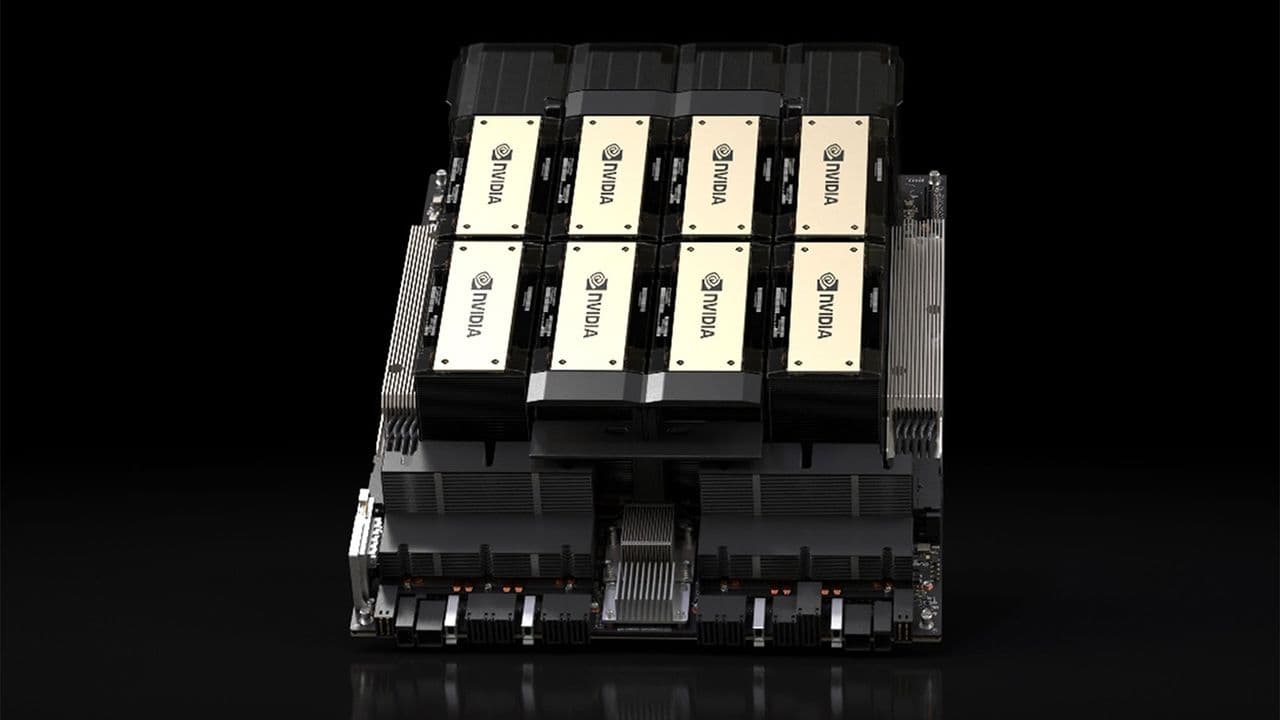
Workers in a data center unboxing Nvidia H200 GPU servers with cooling systems, while a manager reviews a tablet nearby
Policy & EthicsBreakthroughScore: 90

First Nvidia H200s Reach China as Beijing Loosens Import Block

ByteDance and Tencent each received ~10,000 Nvidia H200s, the first meaningful China shipments since December. Beijing still gates purchases and wants most of the 100,000-unit allowance in power-starved Hong Kong.

·2d ago·3 min read··66 views·AI-Generated·Report error
Share:
Source: tomshardware.comvia tomshardwareSingle Source
How many Nvidia H200 chips reached China and which companies received them?

ByteDance and Tencent each received roughly 10,000 Nvidia H200 accelerators in mainland China, the first meaningful shipments since Trump approved exports last December. Beijing's NDRC still requires case-by-case approval, and most of each firm's 100,000-unit licensed allowance must stay in Hong Kong.

TL;DR

ByteDance, Tencent each took ~10,000 H200s · Beijing wants most of 100,000-unit allowance in Hong Kong · Hong Kong lacks power to run the chips · NDRC still requires case-by-case purchase approval

ByteDance and Tencent each took delivery of roughly 10,000 Nvidia H200 accelerators in recent weeks, the Financial Times reports. Beijing's NDRC still gates every purchase, and most of each firm's 100,000-unit licensed allowance must stay in Hong Kong — where there's no power to run it.

Key facts

  • ByteDance and Tencent each received ~10,000 H200s
  • Licensed allowance up to 100,000 units per company
  • Nvidia holds ~500,000 H200s for Chinese customers
  • Full allowance = 12,500 servers, 125 MW IT load
  • Hong Kong: 47 data centers, 581 MW total capacity

The first meaningful H200 shipments have reached mainland China. ByteDance and Tencent each took roughly 10,000 units in recent weeks, per the Financial Times via Tom's Hardware, marking the first real movement since President Trump approved exports last December. Washington licensed roughly 10 firms — Alibaba, ByteDance, Tencent, JD.com among them — in exchange for a 25% cut of each sale to the U.S. Treasury.

Beijing's posture explains the trickle. Every order still needs case-by-case sign-off from the National Development and Reform Commission, and regulators want most of each company's licensed allowance — up to 100,000 units apiece, per the FT — parked in Hong Kong, not on the mainland. Nvidia is reportedly holding around 500,000 H200s built largely for Chinese customers. As recently as mid-July, a U.S. trade official told Congress only a very small quantity had shipped against the licenses.

The power math doesn't work

The bottleneck isn't just regulatory. The H200 draws up to 700W; a loaded eight-GPU HGX H200 server pulls roughly 10 kW. One company's full 100,000-unit allowance equals about 12,500 servers and 125 MW of IT load. Nvidia's reported 500,000-unit stockpile translates to roughly 625 MW.

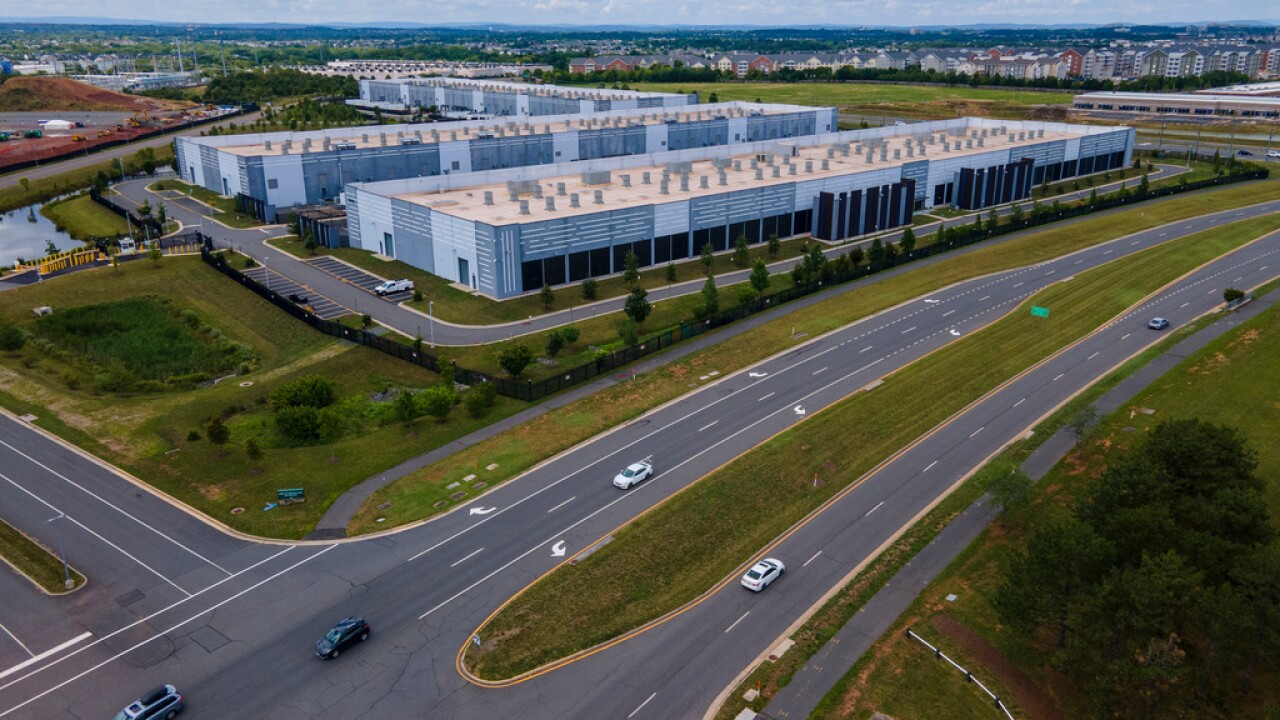
Hong Kong's entire installed base is 47 data centers totaling about 581 MW, per Hong Kong Free Press, with an average PUE of 1.62 pushing grid draw well above IT load. "It's a dilemma," a person familiar with the situation told the FT — companies can't find anywhere in the territory to deploy the chips. The Northern Metropolis cluster meant to fix the shortfall, awarded to Range Intelligent Computing in March, isn't slated online until 2029.

The zero-to-something story

Jensen Huang told investors Nvidia's China market share fell from 95% to zero during the blockade. These shipments don't reverse that — 20,000 units against a 1-million-unit combined allowance is a rounding error. But Lenovo and other partners told Chinese customers last week they could resume H200 server orders, per the FT, even if each purchase still needs NDRC sign-off. The channel is opening, however slowly. Whether the infrastructure catches up is the open question — and Huawei's Ascend line is competing for the same inference workloads in the interim.

Key Takeaways

  • ByteDance and Tencent each received ~10,000 Nvidia H200s, the first meaningful China shipments since December.
  • Beijing still gates purchases and wants most of the 100,000-unit allowance in power-starved Hong Kong.

What to watch

Watch for NDRC approval rates over the next two quarters and whether Hong Kong data center operators announce new capacity deals. Also track Nvidia's next earnings call for any revision to the ~500,000-unit H200 stockpile figure and whether China market share moves off zero.
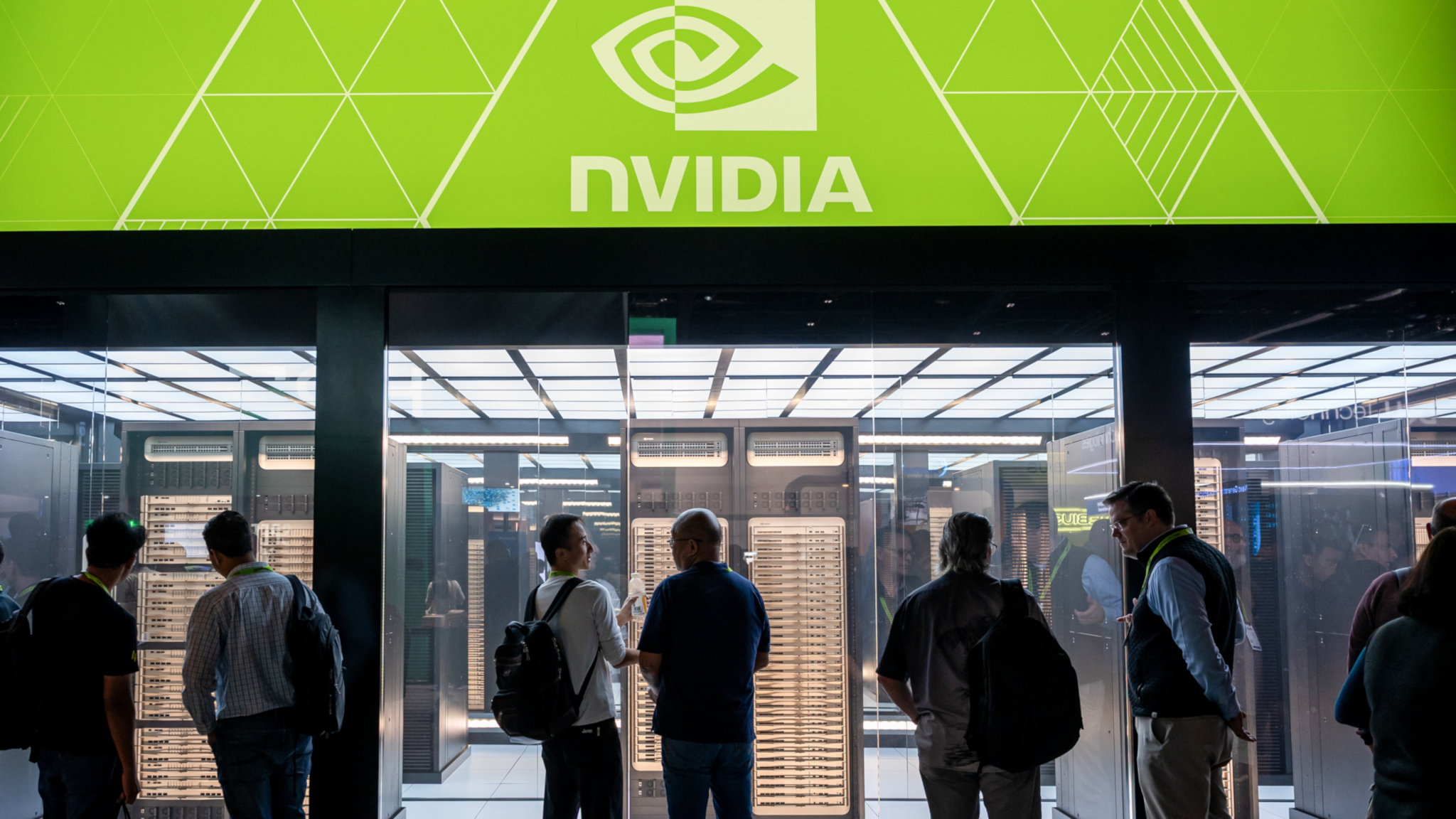
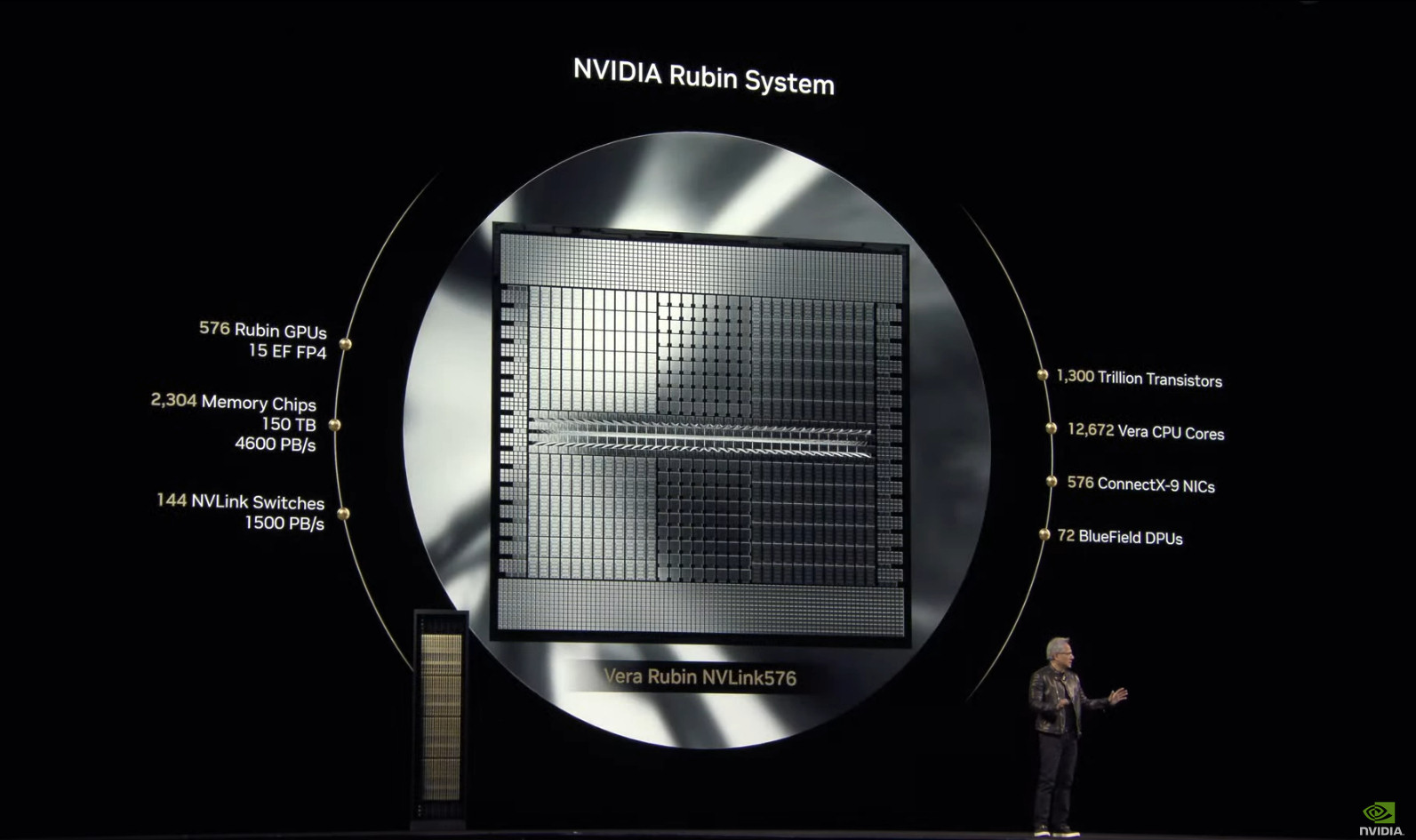
Nvidia event - servers


Source: tomshardware.com


Sources cited in this article

  1. Hong Kong Free Press
  2. Financial Times
  3. Nvidia's
Source: gentic.news · · author= · citation.json

AI-assisted reporting. Generated by gentic.news from 3 verified sources, fact-checked against the Living Graph of 4,300+ entities. Edited by Ala SMITH.

Following this story?

Get a weekly digest with AI predictions, trends, and analysis — free.

AI Analysis

The structural story here isn't the chips — it's the power. Washington's 25% revenue cut and Beijing's NDRC gate both assume the bottleneck is regulatory, but the H200's 700W draw makes the real constraint physical. Hong Kong's 581 MW of data center capacity can't absorb even one company's full allowance, let alone Nvidia's 500,000-unit stockpile. The Northern Metropolis cluster is four years out, which means these licenses are effectively permission to buy hardware you can't run. This also reframes the Huawei Ascend narrative. Chinese labs have been shifting inference to domestic accelerators during the blockade; the H200's arrival doesn't necessarily reverse that if deployment is impossible. The 20,000 units that landed are a token — 2% of the combined allowance — but they reopen a channel that had been frozen. The question is whether NDRC approval rates accelerate before the power constraint becomes the binding limit. Jensen Huang's '95% to zero' line was about market share, but the more telling metric is the 500,000-unit stockpile. Nvidia built those chips for a market that couldn't take delivery. Now the market can take delivery but can't power them. That's not a sanctions story anymore — it's an infrastructure story wearing a trade-war costume.
This story is part of
The AI Infrastructure War Shifts from Chips to Developer Tools
Nvidia's enterprise pivot and AWS's OpenAI bet collide with Cursor's quiet ascent
Compare side-by-side
Nvidia vs ByteDance
Enjoyed this article?
Share:

AI Toolslive

Five one-click lenses on this article. Cached for 24h.

Pick a tool above to generate an instant lens on this article.

Related Articles

From the lab

The framework underneath this story

Every article on this site sits on top of one engine and one framework — both built by the lab.

More in Policy & Ethics

View all