Nvidia cut its authorized Asia customer list by more than half, per a report. The company sent field inspectors to data centers and called end users to verify business legitimacy.
Key facts
- Nvidia cut authorized Asia customers by more than half
- Field inspectors visited data centers for physical checks
- US export controls updated July 1, 2026 target A100 and H100
- US allowed ZTE, Alibaba, Tencent to buy H200 chips this month
- Nvidia's next-gen AI rack system delayed to 2028
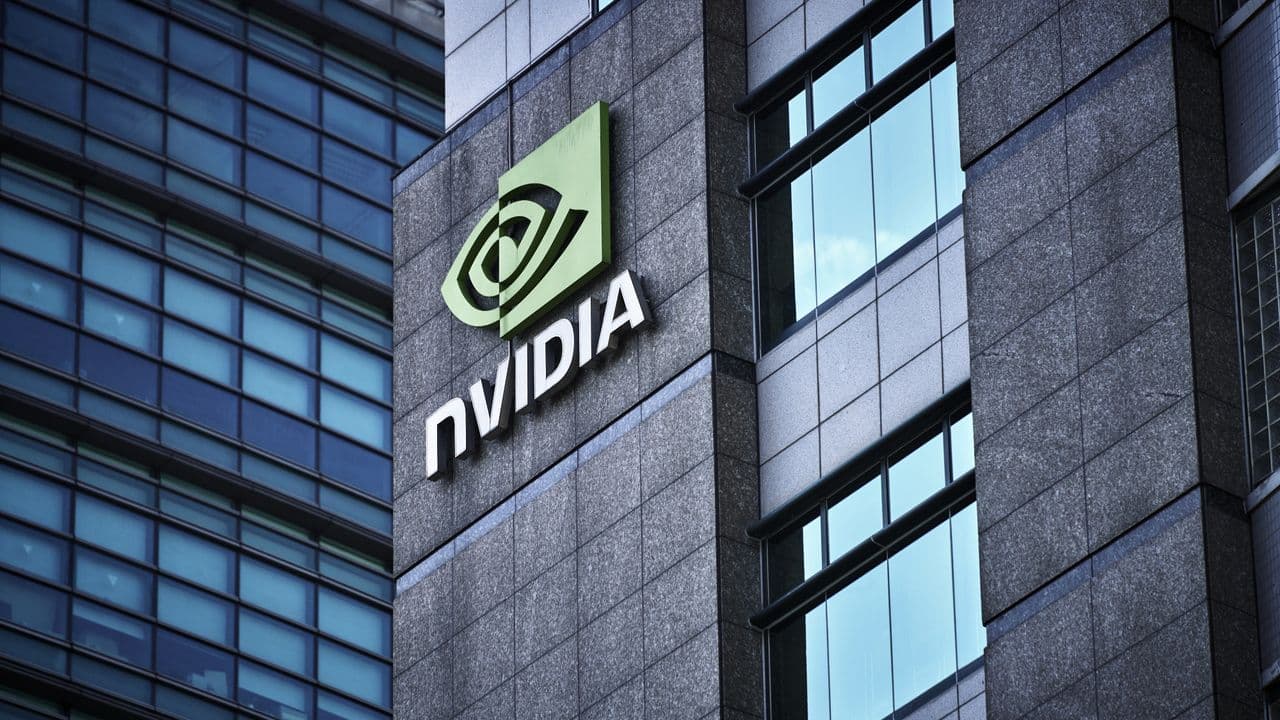
Nvidia has slashed its list of authorized customers in Asia by more than half, according to a report from Tom's Hardware. The move is a direct response to intensified pressure from Washington to curb smuggling of AI chips, particularly the H100 and Blackwell families, to unauthorized entities in China and other restricted markets.
Remaining clients passed more stringent checks, including physical inspections of data centers and interviews with end users. Nvidia also called customers to confirm business relationships were genuine. The company did not disclose the full list of removed partners or the specific criteria used to cut them.
The culling comes as US export controls, updated on July 1, 2026, [target Nvidia A100 and H100 chips] and restrict sales to certain Chinese companies. Earlier this month, the US allowed ZTE, Alibaba, and Tencent to buy H200 chips, signaling a selective enforcement approach that complicates Nvidia's compliance.
Nvidia's Blackwell and Vera Rubin products remain under tight export scrutiny. The company's field inspections represent a rare operational escalation — Nvidia historically relied on distributor audits rather than direct physical checks. The new regime suggests Washington is demanding proof of end-use compliance, not just paperwork.
Key Takeaways
- Nvidia cut authorized Asia customers by half, sending inspectors to data centers.
- Move follows US pressure to curb AI chip smuggling of H100/Blackwell.
Why This Matters

AI chip smuggling undermines both US national security policy and Nvidia's licensing agreements. If unauthorized customers obtain H100s or Blackwells, they could train competitive models outside US oversight. Nvidia's drastic partner reduction signals that Washington's enforcement is shifting from export bans to supply-chain verification — a harder problem to solve.
The company's next-generation AI rack system, delayed to 2028 due to manufacturing snags, adds pressure: every smuggled chip now represents lost revenue and geopolitical risk. Nvidia is also renting back GPU capacity from neoclouds due to softening demand, per a July 2 report, suggesting the company is balancing overcapacity against compliance costs.
What to Watch
Watch for the next US Commerce Department rule on AI chip export controls, expected in Q4 2026. If Nvidia's partner cuts reduce smuggling incidents, the agency may mandate similar verification for all US chip exporters. Also track Nvidia's Q3 earnings call for disclosure of authorized partner counts and any compliance-related revenue adjustments.
Source: tomshardware.com