A Computer Science student has built an open-source terminal orchestrator called Forge that fundamentally rethinks how multiple AI coding tools—including Claude Code—can work together on complex tasks without blowing context windows or budgets.
What Forge Does
Forge addresses the core pain point of multi-agent coding: context management. When you try to make multiple models collaborate, they typically hallucinate dependencies, overwrite each other's work, and exhaust their context trying to understand what just changed. Forge solves this through three key mechanisms:
Cached Hypergraph Context Management: Instead of dumping entire files into prompts, Forge runs a local indexer that maps your codebase into a Semantic AST Hypergraph. Agents must use a
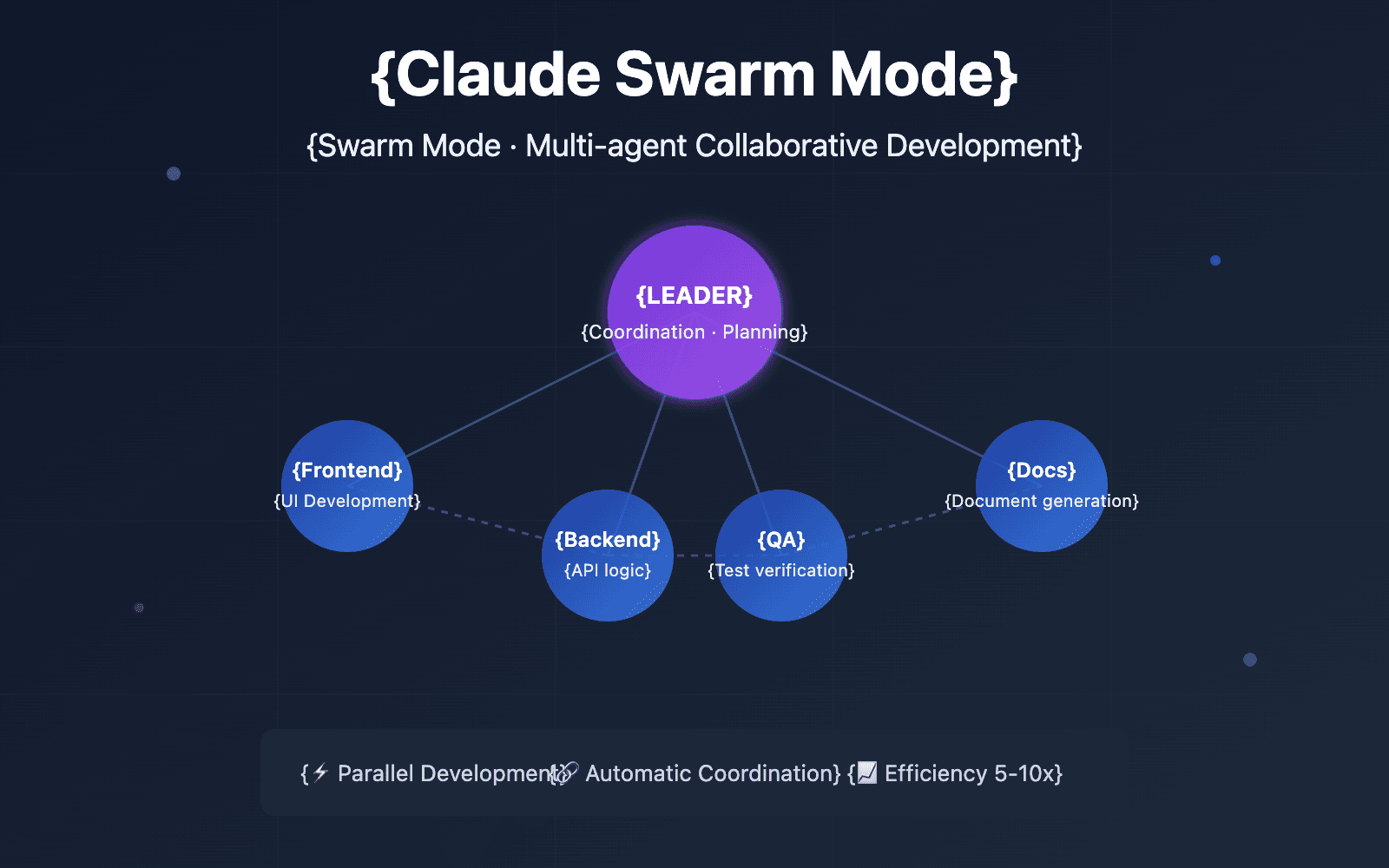
query_graphtool to retrieve only the specific function signatures they need at that moment. The creator claims this reduces context size by 90%.Git-Swarm Isolation: The orchestrator selects the most capable available model to generate an initial plan. It then breaks the task down and spins up parallel git worktrees—isolated sandboxes where different agents can work simultaneously without race conditions. The orchestrator only merges code that passes tests.
Temporal Memory via Git Notes: To combat weaker models' poor memory, agents write condensed YAML "handoffs" to the git reflog. If an agent encounters a constraint (like "API requires OAuth"), it saves that signal so the entire swarm learns from the mistake, saving tokens across the board.
Why This Matters for Claude Code Users
If you're using Claude Code alongside other tools (Cursor, Copilot, local models), Forge provides a structured way to orchestrate them. Instead of manually copying code between different AI interfaces, you could define a workflow where:
- Claude Code handles high-level architecture
- Local models implement specific functions
- All work is automatically tested and merged
The git-native approach means every change is traceable, and the hypergraph context system ensures Claude Code isn't wasting tokens re-reading code it just wrote.
How to Try It
The tool will be released as open-source "later this week" according to the creator. To prepare:
- Identify your agent stack: List which tools you currently use (Claude Code, Cursor, Copilot, local Ollama models, etc.)
- Map your pain points: Where do you currently switch between tools? Where do context limits break your workflow?
- Watch the repository: The creator is seeking feedback on two key questions before release:
- When using existing AI coding tools, what's the exact moment you give up and write code yourself?
- When tracking multiple agents in a TUI, what information is critical to see at a glance?
The Bigger Picture
This approach aligns with emerging patterns in AI-assisted development: orchestration over raw power. Instead of waiting for a single model to handle everything, developers are combining specialized tools. Forge's innovation is making this combination systematic rather than manual.
The AST hypergraph approach is particularly interesting—it's essentially a structured RAG system for code, ensuring models query for context rather than receiving it passively. This could influence how future tools integrate with Claude Code's context management.
What to Do Next
- Follow the development: The Reddit thread shows active community interest. Engage with the creator's questions to shape the tool's direction.
- Consider your multi-model workflow: Even before Forge releases, think about how you currently use Claude Code alongside other tools. What coordination problems do you encounter?
- Experiment with git worktrees manually: You can simulate part of Forge's approach today by creating git worktrees for different AI agents to work in parallel, then manually merging successful changes.
Forge represents a pragmatic approach to AI-assisted development: using smart orchestration to make affordable tools work together effectively. For Claude Code users operating within token budgets or combining multiple AI assistants, it could significantly change how complex projects are approached.