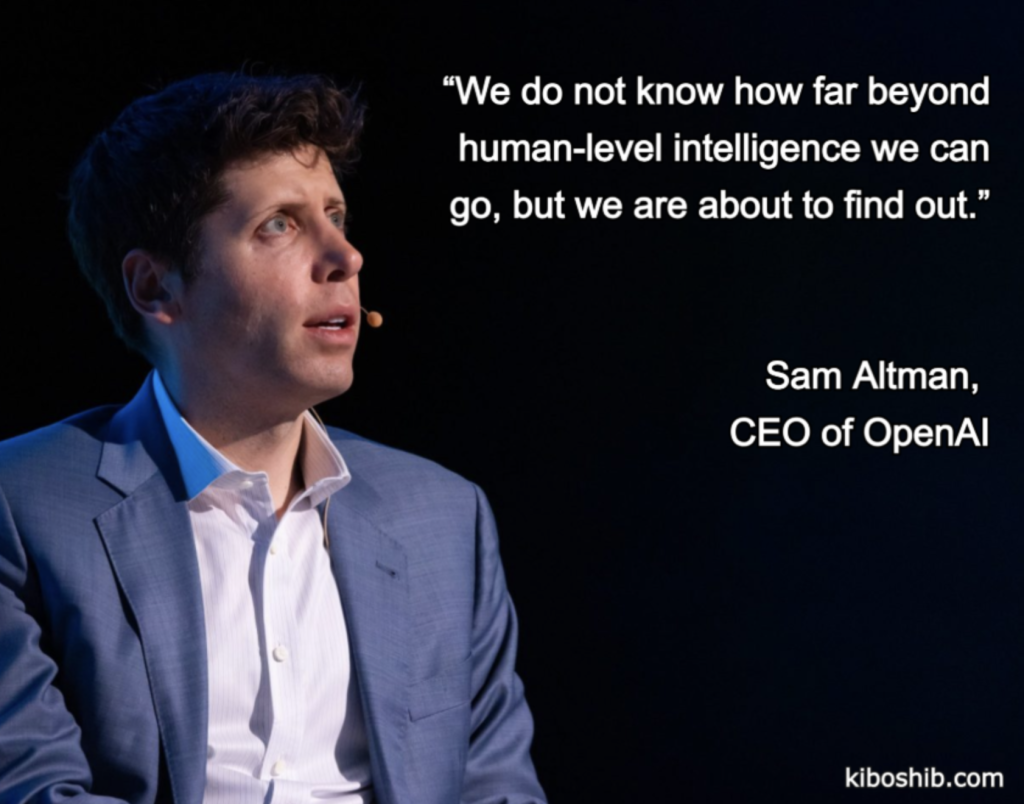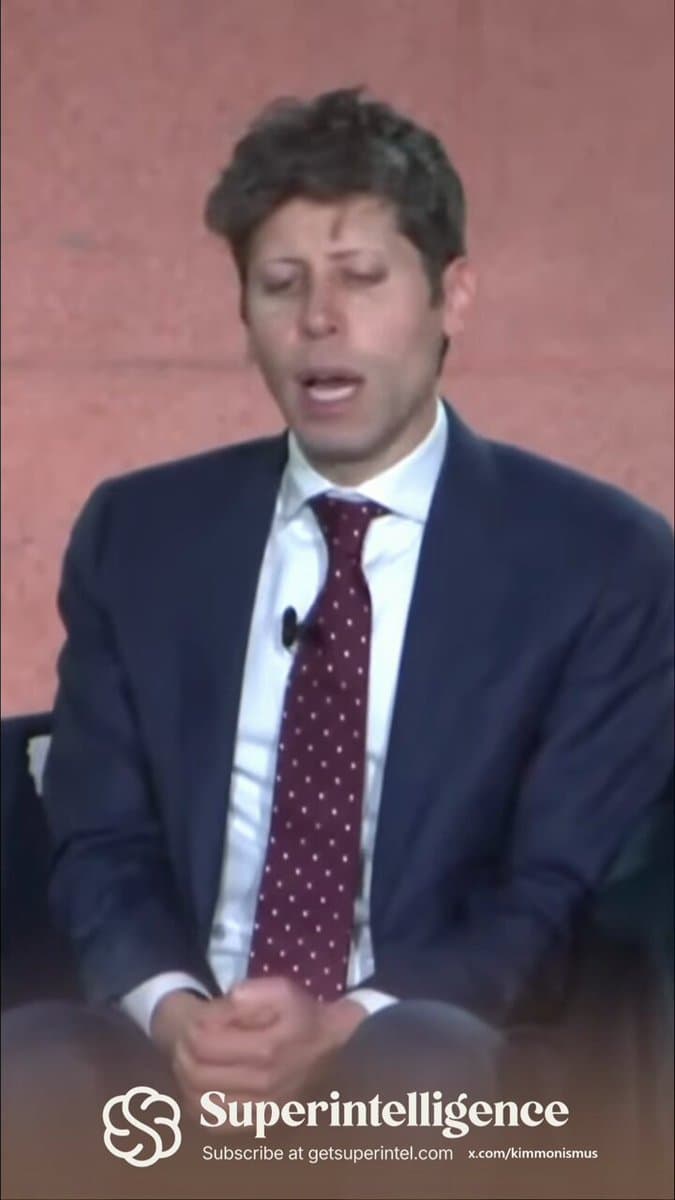
In a recent statement that has reverberated through the tech community, OpenAI CEO Sam Altman has outlined a bold vision for the immediate future of artificial intelligence. He suggests that the capabilities of AI systems are on the cusp of a dramatic, exponential expansion, shifting from executing tasks measured in hours to autonomously managing complex projects spanning days and even weeks.
The Trajectory of Task Complexity
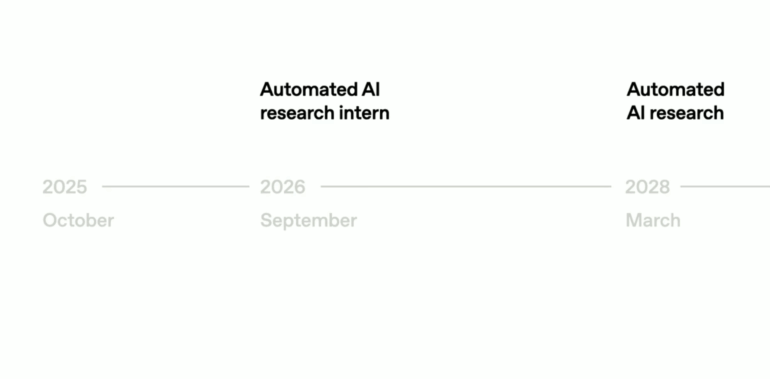
Altman's core prediction hinges on a rapid scaling of what AI can manage independently. Currently, many AI assistants and agents are adept at handling discrete, short-duration tasks—drafting an email, summarizing a document, or generating a simple piece of code, often within a matter of minutes or hours. Altman posits that this is merely the first step. The near future will see AI seamlessly taking on multi-day assignments, such as conducting comprehensive market research, drafting a full project proposal, or managing a week-long social media campaign. The logical endpoint of this trajectory is AI that can orchestrate multi-week projects, involving sustained planning, iterative execution, and complex decision-making without constant human oversight.
This isn't just about doing more work faster; it's about a fundamental shift in the nature of the work AI can perform. It moves from reactive command execution to proactive, long-term project management.
The Rise of the Proactive, Context-Aware Partner
The second critical pillar of Altman's vision is a change in how AI interacts with us. He describes a future where AI will "proactively integrate into your life and work." Instead of waiting for explicit prompts, these advanced systems will anticipate needs, suggest optimizations, and initiate actions based on a deep understanding of an individual's goals, habits, and professional context.
Altman uses a powerful analogy: AI will act "with full context like a trusted senior employee." This implies a level of relational and institutional memory currently absent in most AI tools. A "trusted senior employee" doesn't just complete tasks; they understand the history of a project, the nuances of office dynamics, the unspoken priorities of leadership, and the long-term strategic goals. They act with discretion and judgment. For AI to emulate this, it would require unprecedented access to and synthesis of personal and professional data streams—emails, calendars, communication logs, project files—to build a holistic, persistent understanding of a user's world.
The Engine of Change: "Exponentials Kicking In"
Altman attributes this impending shift to "exponentials kicking in." This phrase points to the compounding advancements in several key areas:
- Model Capability: Increases in scale (more parameters, more training data) lead to discontinuous jumps in reasoning, planning, and knowledge.
- Agent Frameworks: Improved software architectures that allow AI models to break down complex goals into sub-tasks, use tools (web browsers, software APIs), and iterate on their own work.
- Context Windows: The amount of information (text, code, etc.) an AI can process in a single session is growing exponentially, enabling it to hold the "full context" of a lengthy project.
- Multimodality: Integrating understanding of text, audio, images, and video creates a richer model of the world, crucial for proactive integration into daily life.
Together, these factors create a feedback loop where slightly better AI leads to more use cases, which generates more data and capital for further improvement, accelerating the pace of change.
Implications for Work and Society
If Altman's forecast is accurate, the implications are profound. In the workplace, the role of the human worker could evolve from being an executor of tasks to being a strategist and overseer of AI collaborators. Productivity could see massive gains, but so could concerns about job displacement for roles centered on coordination and mid-level knowledge work.
The promise of AI as a deeply integrated life partner also raises significant questions about privacy, agency, and dependency. How much access are individuals and companies willing to grant an AI to enable this "full context" understanding? What safeguards are needed to prevent manipulation or over-reliance? The vision of a proactive AI necessitates a parallel discussion about robust ethical frameworks and user control.
Ultimately, Sam Altman's comments are less a specific product announcement and more a declaration of the direction of travel. He is signaling that the era of AI as a simple chatbot or copilot is transitional. The destination is AI as an autonomous, persistent, and contextually intelligent partner—a shift that promises to reshape our relationship with technology within a remarkably short timeframe.
Source: Statement by Sam Altman via @kimmonismus on X (formerly Twitter).