The Market Shift — What BoF Reports
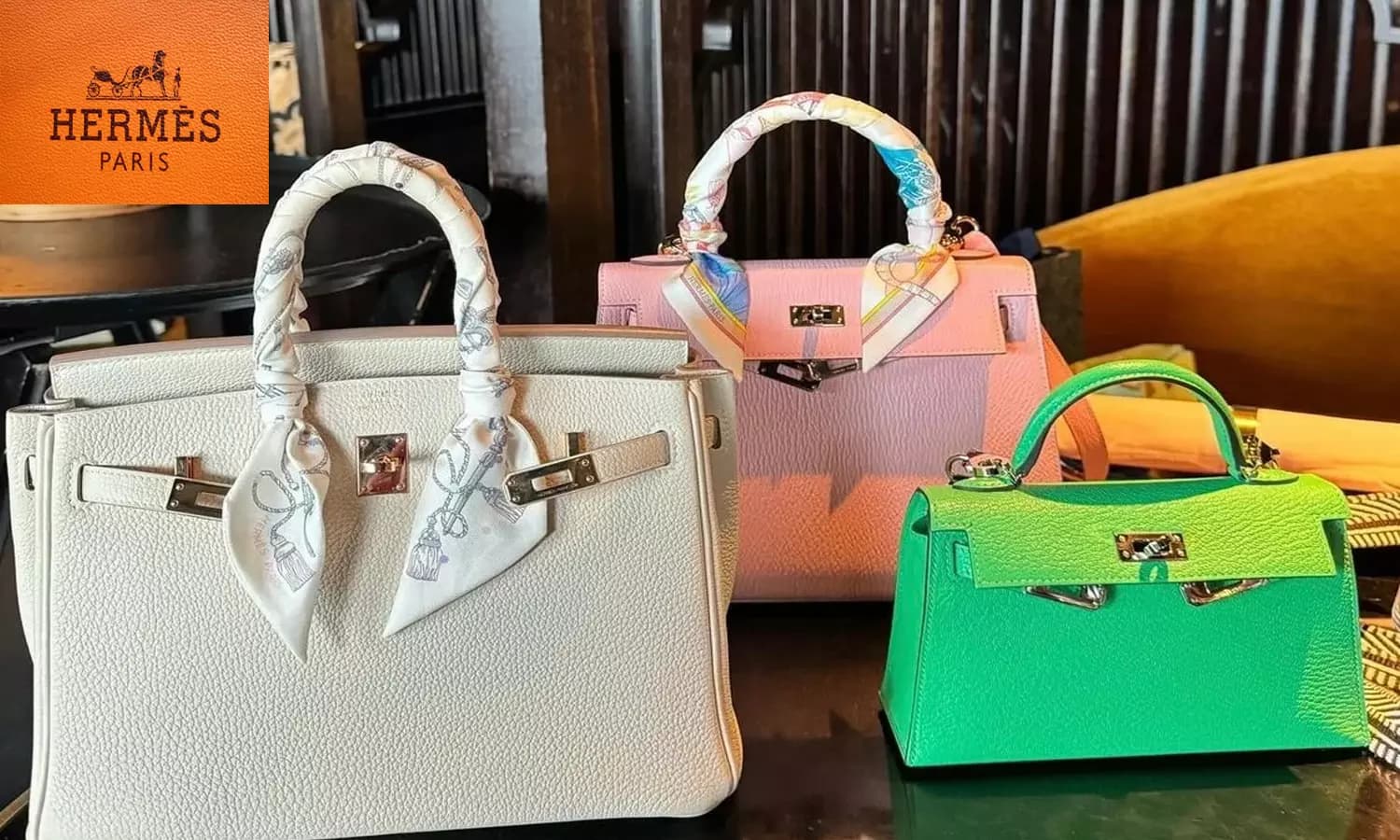
According to The Business of Fashion's High Margin luxury newsletter, the resale market for Hermès's most iconic handbags—the Birkin and the Kelly—is showing signs of softening. This development poses significant strategic questions for the luxury giant, whose brand equity and financial performance are deeply intertwined with the perceived scarcity and investment value of these products.
The report does not specify the exact magnitude or drivers of the softening, but the implication is clear: a change in the secondary market dynamics for these "holy grail" items could have ripple effects on primary sales, brand perception, and the broader luxury ecosystem. The Birkin bag, in particular, has been a cornerstone of luxury as an asset class, often outperforming traditional investments like stocks and gold. Any sustained shift in its resale value challenges a fundamental pillar of Hermès's brand narrative.
Why This Matters for Retail & Luxury
For luxury executives, this is not merely a market fluctuation but a potential signal of deeper consumer or economic trends.
1. The Scarcity Model Under Scrutiny: Hermès's business is built on controlled scarcity. The softening resale market could indicate that the perceived scarcity is easing (through increased production or shifts in allocation), that demand is cooling, or that the speculative bubble around these assets is deflating. Each scenario requires a different strategic response from the brand.
2. The End of the "Sure Bet"? For years, purchasing a Birkin was seen as a near-guaranteed financial investment. If that narrative cracks, it could alter consumer purchasing psychology, moving it from an "investment buy" back towards a pure luxury indulgence. This could impact purchase frequency, willingness to wait, and the brand's power in its controversial "game" of requiring significant pre-spend to gain access.
3. Implications for the Broader Resale Ecosystem: Companies like The RealReal, Vestiaire Collective, and Rebag have built significant businesses around the consignment of ultra-luxury goods. A sustained downturn in the Hermès resale market would directly impact their inventory value and revenue, potentially leading to a consolidation or strategic pivot within the luxury resale sector.
Business Impact — An Honest Assessment
Quantifying the immediate impact is difficult without hard data, but the strategic implications are substantial:
- Brand Valuation Risk: A core component of Hermès's premium valuation is the resilience and growth of its iconic products' value. Erosion here could pressure financial metrics.
- Client Relationship Management: Hermès's system of rewarding loyal clients with access to Birkins could become less effective if the end reward loses its luster. This may force a reevaluation of client engagement strategies.
- Competitive Positioning: If Hermès's halo products weaken, it could create an opening for competitors (e.g., Chanel, Dior) whose classic bags may appear more stable or desirable by comparison.
Strategic Responses & Governance
Luxury brands facing similar dynamics should consider a multi-faceted response:
- Data Intelligence: The first step is deep, real-time analysis. Brands must move beyond anecdotal resale reports to establish direct data partnerships or invest in AI-driven market intelligence platforms that track secondary market prices, inventory turnover, and sentiment across global platforms.
- Narrative Control: Proactively communicating the brand's timeless value, craftsmanship, and heritage becomes even more critical to offset purely financial narratives. Marketing must re-emphasize emotional and artistic value over investment return.
- Product Strategy: This may accelerate a subtle shift in focus towards other high-margin categories (ready-to-wear, jewelry, homeware) or the introduction of new, highly desirable leather goods that can reignite collector passion without diluting the core icons.
- Direct Engagement with Resale: The softening market could make this an opportune moment for Hermès to more formally engage with or even control parts of the secondary market, as brands like Rolex have done, to stabilize prices and authenticate goods.
The key for AI and data leaders in luxury is to provide the analytical backbone for these decisions. This involves modeling demand elasticity, tracking cross-platform sentiment, and simulating the impact of various strategic levers (production, allocation, communication) on both primary and secondary markets.