The Innovation — What the Source Reports
The source material, an article from Furniture Today titled "How should retailers acclimate themselves to agentic AI?", directly addresses the strategic and operational shift required as autonomous AI agents move from research labs into the retail sector. This is not a technical deep dive into a new model, but a pragmatic guide for business leaders.
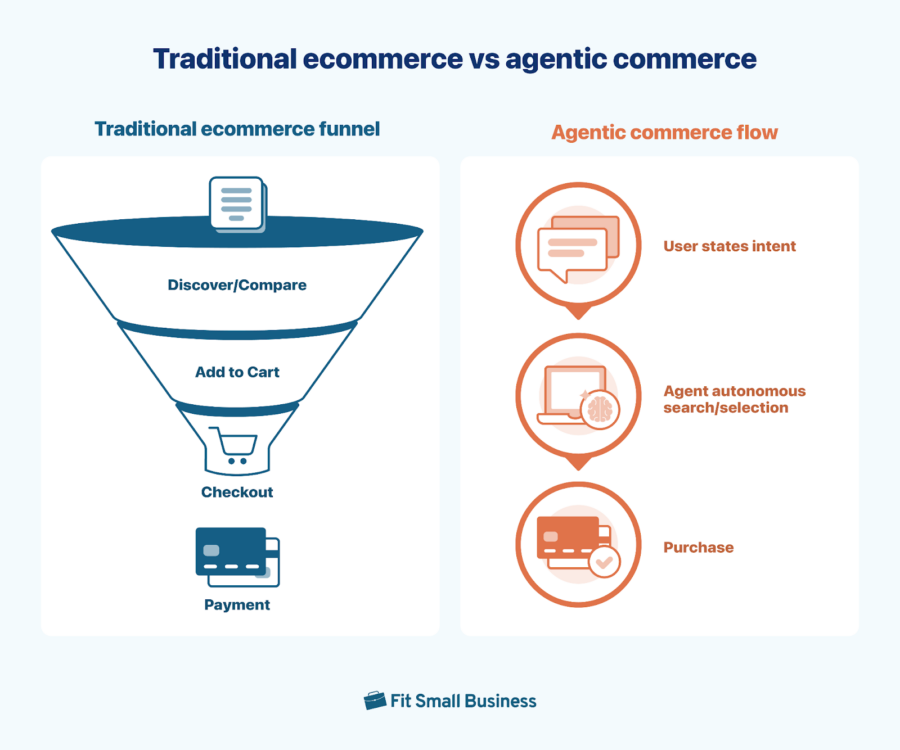
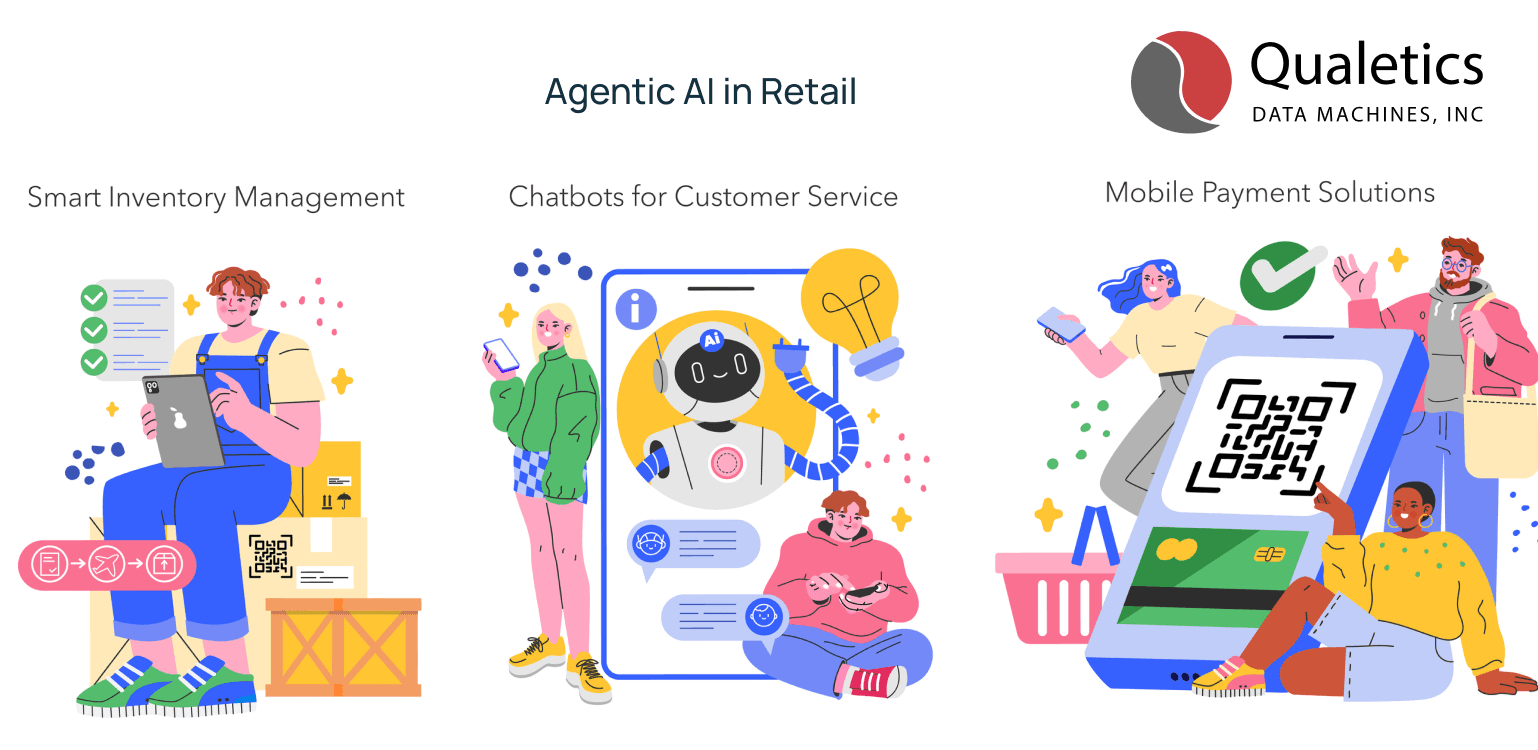
The core argument is that retailers must move beyond viewing AI as merely a tool for customer service chatbots or personalized recommendations. Agentic AI represents a fundamental evolution: systems capable of autonomous reasoning, planning, and executing multi-step workflows to achieve a defined goal. For example, an agent could autonomously handle a complex customer return by checking inventory, initiating a warehouse pick-up, processing a refund, and suggesting a replacement item—all within a single, coherent task.
The article is framed against a backdrop of significant industry projections. Recent reports, as noted in the Knowledge Graph context, predict that autonomous AI agents could facilitate 50% of all online transactions by 2027, and Gartner projects 40% of enterprise applications will feature task-specific AI agents by 2026. These aren't distant possibilities; they are imminent benchmarks against which retail IT and strategy must be measured.
Why This Matters for Retail & Luxury
For luxury and high-end retail, the implications are profound and nuanced. A parallel article from aBlogtoWatch, referenced in the source, argues that "AI Will Never Truly Replace Humans In The Luxury Industry." This is not a contradiction but a critical qualifier. The value of agentic AI in luxury lies not in replacing the human touch, but in augmenting and scaling the human expertise that defines the sector.
Concrete scenarios include:
- Hyper-Personalized Concierge Services: An AI agent could continuously analyze a client's purchase history, browsing behavior, and stated preferences to autonomously curate a pre-release preview of a new collection, schedule a private appointment with a stylist, and arrange delivery—all before the client even makes a request.
- Complex Supply Chain & Logistics Orchestration: For made-to-order or limited-edition items, an agent could manage the entire post-purchase journey: tracking artisan production stages, coordinating with logistics for white-glove delivery, and proactively communicating personalized updates to the customer.
- Intelligent Inventory & Merchandising: Agents could autonomously analyze global sales data, social sentiment, and regional trends to suggest micro-adjustments to inventory allocation across flagship stores, or even guide the re-merchandising of digital storefronts in real-time.
- Enhanced Client Relationship Management: Instead of a sales associate manually logging notes, an AI agent could listen to (with consent) and summarize key details from a client conversation—mention of an upcoming wedding, a preference for a specific gemstone—and automatically update the CRM with actionable insights and follow-up tasks.
Business Impact
The business impact is a combination of radical efficiency gains and elevated customer experience. Agentic systems can operate 24/7, handling routine but complex operational workflows, thereby freeing human staff to focus on high-value interactions that require empathy, creative storytelling, and deep brand knowledge—the hallmarks of luxury.
Quantifying the impact is still emerging, but the projections are bold: facilitating half of all online transactions points to massive gains in conversion rates and average order value through more effective, persistent, and personalized engagement. The reduction in operational friction—from returns to customization requests—directly protects margin and brand prestige.
Implementation Approach
Acclimating to this future requires a phased, strategic approach:
- Infrastructure Audit: Retailers must assess their current tech stack. Agentic AI requires robust APIs, clean and accessible data (from CRM, ERP, PIM, and e-commerce platforms), and a move towards a more composable, service-oriented architecture. Legacy system integration will be the primary technical hurdle.
- Start with Contained Pilots: The path is not a monolithic platform rollout. Identify a single, high-friction, multi-step process—such as coordinating a bridal registry or managing a cross-border returns process—and pilot an agentic solution there. Use a framework like LangChain or AutoGen, or leverage cloud platforms like Google's Vertex AI, which is actively developing agentic capabilities.
- Build Agentic Literacy: This is a cultural shift. Leadership, merchandising, supply chain, and clienteling teams need to understand the paradigm: moving from giving AI commands to defining goals and granting a degree of autonomy. Training should focus on prompt engineering for goal-setting and oversight mechanisms.
- Establish Governance Early: Define clear boundaries for agent autonomy. What decisions can an agent make alone (e.g., issuing a standard refund), and which require a human-in-the-loop (e.g., approving an exceptional goodwill gesture for a top client)?
Governance & Risk Assessment
For luxury brands, the risks are magnified by the expectation of flawless excellence.
- Brand Voice & Discretion: An autonomous agent must perfectly embody the brand's tone, discretion, and values. A misstep in communication can be damaging. Rigorous testing and guardrails are non-negotiable.
- Data Privacy & Security: These agents will have access to the most sensitive customer data. Implementation must adhere to the highest standards of encryption and compliance (GDPR, CCPA). The principle of data minimization is key—agents should only access the data necessary for their specific task.
- Bias & Fairness: If an agent is tasked with curating product recommendations or prioritizing client outreach, its underlying models must be audited to ensure they do not perpetuate biases based on customer demographics or purchase history.
- Maturity Level: The technology is rapidly evolving from research (ReAct, Chain-of-Thought) to early commercial application. Retailers should partner with vendors who demonstrate a clear understanding of these risks and provide transparent, auditable agentic workflows. The cost of failure in luxury is not just technical; it's reputational.
The message is clear: Agentic AI is not a question of if but how. Retailers who start acclimating now—by building infrastructure, piloting use cases, and establishing governance—will be positioned to harness its power to enhance, rather than replace, the human artistry at the heart of luxury.