The Innovation — What the Source Reports
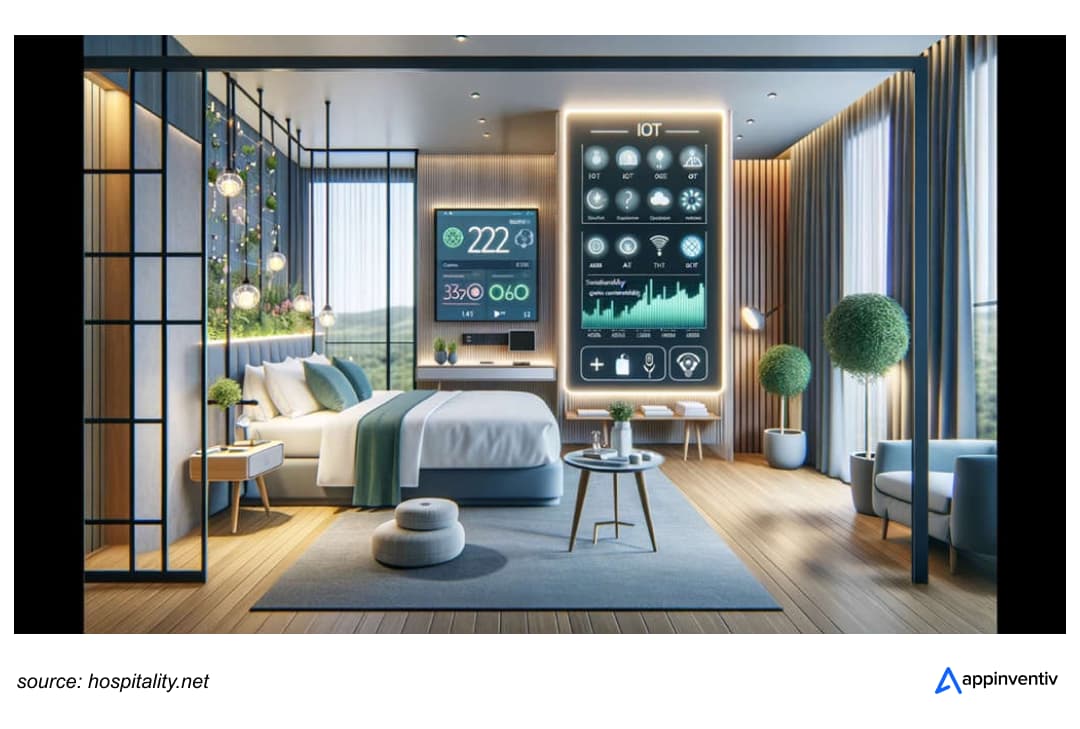
The core thesis presented is a provocative reframing of value in the service sector. As automation, AI, and robotics become ubiquitous in hospitality—handling bookings, check-ins, room service, and even concierge queries—the default expectation will shift toward seamless, efficient, but impersonal interaction. In this context, the article posits that authentic, skilled human interaction will cease to be a baseline expectation and will instead become a rare, high-value commodity. This is the "Humans-as-Luxury" paradigm.
The concept moves beyond the simplistic "robots vs. humans" debate. It suggests that automation will handle the transactional, predictable, and scalable aspects of service, freeing human staff from routine tasks. This liberation allows them to focus exclusively on the non-scalable, emotional, and deeply personalized elements that technology cannot replicate: nuanced empathy, creative problem-solving, spontaneous storytelling, and the cultivation of genuine rapport. In this future, a conversation with a knowledgeable sommelier, a tailor who remembers your preferences from a decade ago, or a concierge who can craft a truly unique, off-menu experience based on a subtle cue becomes the ultimate luxury offering.
Why This Matters for Retail & Luxury
While the article focuses on hospitality, its implications for luxury retail are direct and profound. The luxury sector has always traded on exclusivity, craftsmanship, and narrative. The "Humans-as-Luxury" framework provides a strategic lens to navigate an AI-saturated world.
1. The In-Store Experience as a Sanctuary: As e-commerce and AI-powered digital styling become more sophisticated, the physical store's primary purpose must evolve. It can no longer just be a point of transaction. Under this model, it becomes a stage for human-led luxury. The value proposition shifts to offering curated, human-centric experiences that cannot be digitized—a masterclass with an artisan, a private styling session with a veteran curator who understands a client's evolving taste, or an intimate gathering where the designer personally shares the collection's inspiration.
2. Re-skilling the Frontline: The role of the sales associate, brand ambassador, or store manager transforms from a product expert and order-taker to an experience architect and emotional concierge. Their value lies in high-touch relationship management, deep product storytelling, and the intuitive ability to build trust and desire. Training and compensation structures must be redesigned to cultivate and reward these uniquely human skills.
3. Product as a Prop for Human Connection: The luxury item itself becomes part of a larger, human-mediated ritual. The purchase is not the end but the beginning of a relationship nurtured by a dedicated advisor. After-sales service, personalization, and restoration become opportunities for sustained human interaction, reinforcing the item's emotional value and the brand's legacy.
Business Impact
The business impact is a fundamental recalibration of key performance indicators (KPIs) and investment priorities.
- Revenue Model: Success is measured less by footfall conversion rate and more by client lifetime value, net promoter score (NPS), and participation in high-value experiential services. Revenue may increasingly come from service fees for exclusive access or consultations, bundled with product.
- Cost Structure: Investment shifts from scaling automated checkout systems to investing in highly trained, tenured brand ambassadors. The cost-per-human-hour increases, but so does their value generation. Operational efficiency is achieved through backend automation, freeing budget for frontline excellence.
- Brand Differentiation: In a market where product quality and digital presence become table stakes, the quality and authenticity of human interaction become the ultimate differentiator. A brand known for its profound human connections commands premium pricing and fierce loyalty.
Implementation Approach
Adopting this model is a strategic, multi-year transformation, not a tactical project.
- Audit & Automate the Transactional: Identify all repeatable, rules-based customer interactions (inventory checks, basic Q&A, appointment booking, simple alterations). Deploy AI chatbots, robust CRM systems, and smart inventory management to handle these seamlessly, freeing human capital.
- Redefine Roles & Recruit for Empathy: Create new roles like "Client Relationship Director," "Digital Concierge," or "Experience Curator." Recruit for emotional intelligence, curiosity, and storytelling ability alongside product knowledge. Implement rigorous, ongoing training in active listening, psychology of luxury, and creative service design.
- Design the Experience Architecture: Physically and digitally design touchpoints that facilitate human connection. This could mean private consultation rooms, VIP apps that connect directly to a human advisor, or invitation-only events where senior leadership is present and engaged.
- Empower with Technology: Equip your human luxury assets with the best tools. This includes AI-augmented CRM that provides a 360-degree client view and suggests next-best actions, or AR tools that allow them to visually customize products in real-time with a client. The tech serves the human, not replaces them.
Governance & Risk Assessment
- Consistency & Scaling the Intangible: The core challenge is scaling a service model built on unique human relationships. How do you ensure a consistent standard of "luxury" interaction across global boutiques? This requires a strong culture, clear principles (not scripts), and a mentorship model that passes on tacit knowledge.
- Data Privacy & Hyper-Personalization: The deep client knowledge required for this model is sensitive. Governance must be impeccable, with clear consent protocols and transparent data usage policies. The line between insightful and intrusive is thin.
- Economic Viability: This is a high-cost model. It is likely suited for the pinnacle of the luxury market (Haute Couture, high jewelry, ultra-luxury hospitality) or as a flagship service for top-tier clients. Brands must carefully segment their clientele and service offerings to ensure economic sustainability.
- Maturity Level: The concept is strategically mature but operationally nascent. Early adopters are experimenting with elements of it. Full implementation represents a long-term vision for the post-automation era of luxury.