Key Takeaways
- leboncoin built Spark, a second-generation design system with 110 tokens and strict governance, to coordinate 70 teams modifying the same three platforms.
- The system addresses fragmentation risks amplified by AI coding tools like Claude Code and Cursor, improving accessibility scores from 30 to 64.
What Happened
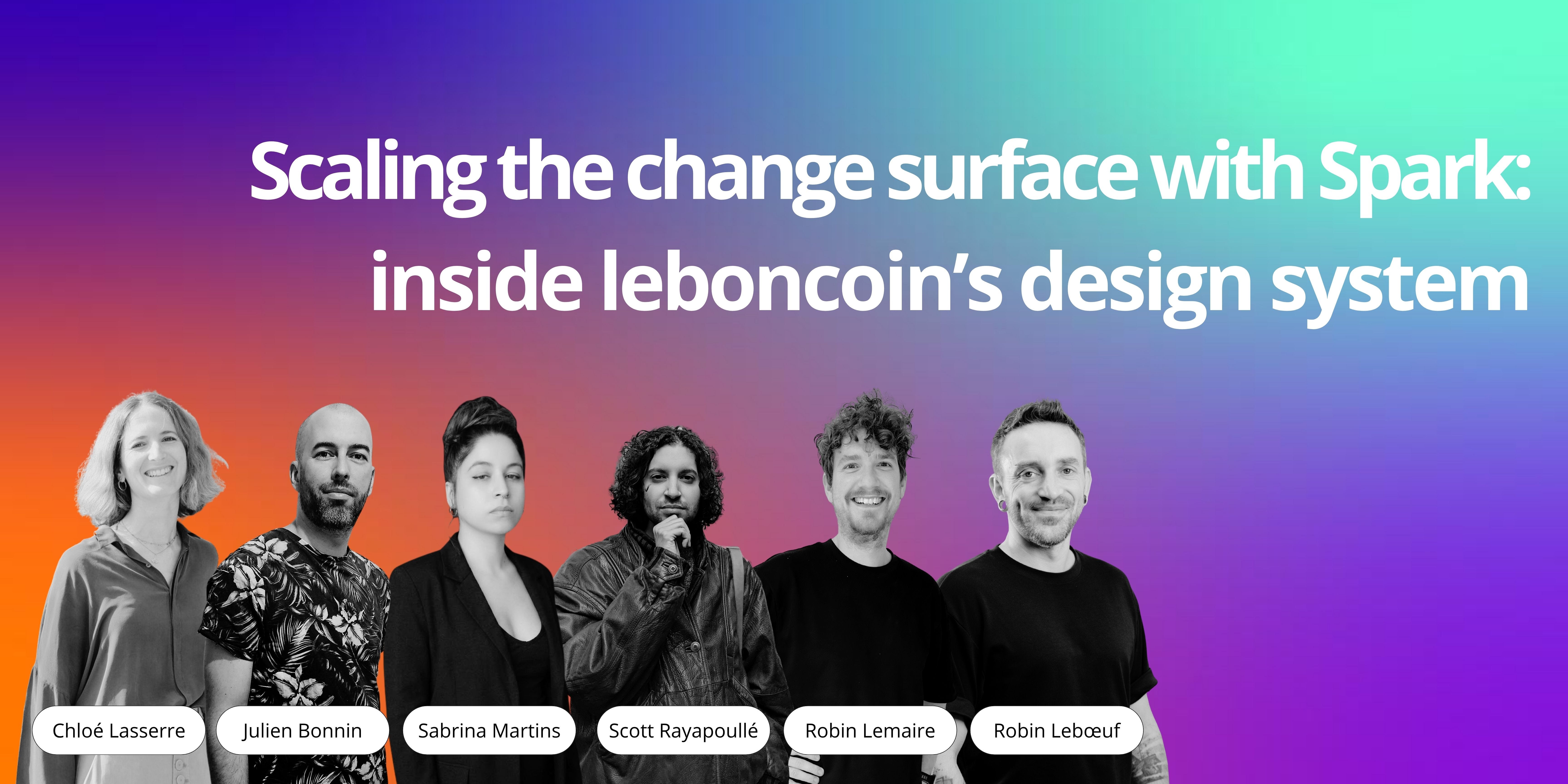
leboncoin, the French classifieds platform, published a detailed case study on its second-generation design system, Spark. The system was built to solve a specific scaling challenge: approximately 70 feature teams simultaneously contributing to the same three core platforms—Web, iOS, and Android.
Unlike large tech organizations where 70 teams might manage 70 different applications, leboncoin's engineers are constantly modifying the same shared interfaces. This creates a high density of potential conflicts and side effects, a phenomenon the team calls "the explosion of the change surface."
Technical Details
Spark represents a strategic evolution from leboncoin's first design system, Brikke, which suffered from governance failures. Brikke components became unmaintainable, with some accumulating up to 80 different parameters because developers, fearing they might break critical screens they didn't own, would copy and modify code rather than fixing the system itself.
Key technical components of Spark include:
- 110 design tokens: Categorized into primitive values (colors, spacing) and semantic tokens that define specific usage intentions. The team considers tokens more structural for adoption than components themselves.
- Themes: Enable major visual changes—rebranding, dark mode, high contrast—to propagate almost instantaneously across the entire product suite.
- Multi-stack awareness: Separate native implementations for Web, Android, and iOS, each respecting platform-specific constraints rather than forcing identical visual copies.
- Centralized testing: Component-level unit tests, visual snapshot checks, and performance benchmarks are handled centrally, so feature teams don't retest components from scratch.
The AI Acceleration Challenge
A notable aspect of the case study is its explicit acknowledgment of how AI tools are intensifying the scaling challenge. The article mentions that in 2026, the use of AI tools like Claude Code, Cursor, and Copilot has further increased the velocity of code production. Delivery systems and shared interfaces must absorb a larger change surface, with greater risks of regressions and visual inconsistencies.
This is a relatively rare admission from a production engineering team: AI-assisted coding doesn't just accelerate development—it also amplifies the coordination problem. When more code is generated faster by more people, a design system becomes not just a nice-to-have but critical infrastructure.
Governance as Product
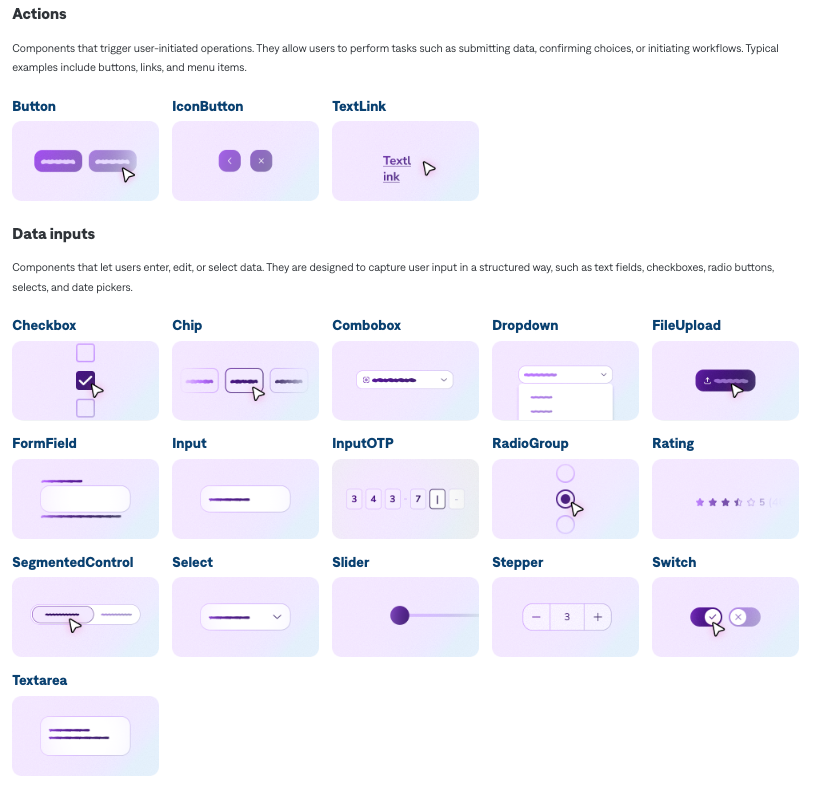
Spark's team structure reveals how seriously leboncoin treats design system governance:
- Chloé Lasserre (Product Manager) leads implementation
- Sabrina Martins (Lead UI Designer System) manages Figma library and governance
- Julien Bonnin (Web), Scott Rayapoullé (Android), Robin Lemaire (iOS) handle native implementations
- Robin Lebœuf (Head of Engineering) provides strategic oversight
The team uses Figma plugins that allow designers to check for design system compliance directly within their mockups, ensuring token accuracy from the start. A "Visual team" of product designers acts as a relay for adoption across product tribes.
Measured Impact
The system delivered concrete, measurable improvements:
- Accessibility: RGAA score rose from 30 to 64 following centralized accessibility work
- 30 core components delivered early to establish the system's value
- Standardized naming across Web, iOS, and Android reduces mental fatigue for developers switching between platforms
Retail & Luxury Implications
While leboncoin is a classifieds marketplace rather than a luxury retailer, the challenges it addresses are directly relevant to retail and luxury organizations:
Multi-platform coherence: Luxury brands increasingly operate across web, iOS, Android, and often multiple brand-specific apps. Spark's approach to maintaining visual and functional consistency across platforms while respecting native constraints is directly applicable.
AI-accelerated development risk: As retail teams adopt AI coding tools (Claude Code, Cursor, Copilot), the risk of fragmented user experiences grows. A design system with strict governance becomes essential infrastructure, not a nice-to-have.
Brand consistency at scale: The ability to propagate global changes (rebranding, seasonal themes, accessibility improvements) across all platforms instantaneously via design tokens is particularly valuable for luxury conglomerates like Kering or Richemont, which manage multiple brands with distinct visual identities.
Governance lessons: The failure of Brikke (components with 80 parameters) is a cautionary tale for any retail organization building a component library without clear ownership and contribution rules.
gentic.news Analysis
leboncoin's Spark case study is noteworthy for its honesty about the governance failures that preceded the current system. Many organizations publish design system success stories; fewer detail the specific failures that necessitated a rebuild. The admission that Brikke components accumulated 80 parameters because developers were afraid to modify shared code is a pattern we see frequently in enterprise retail environments.
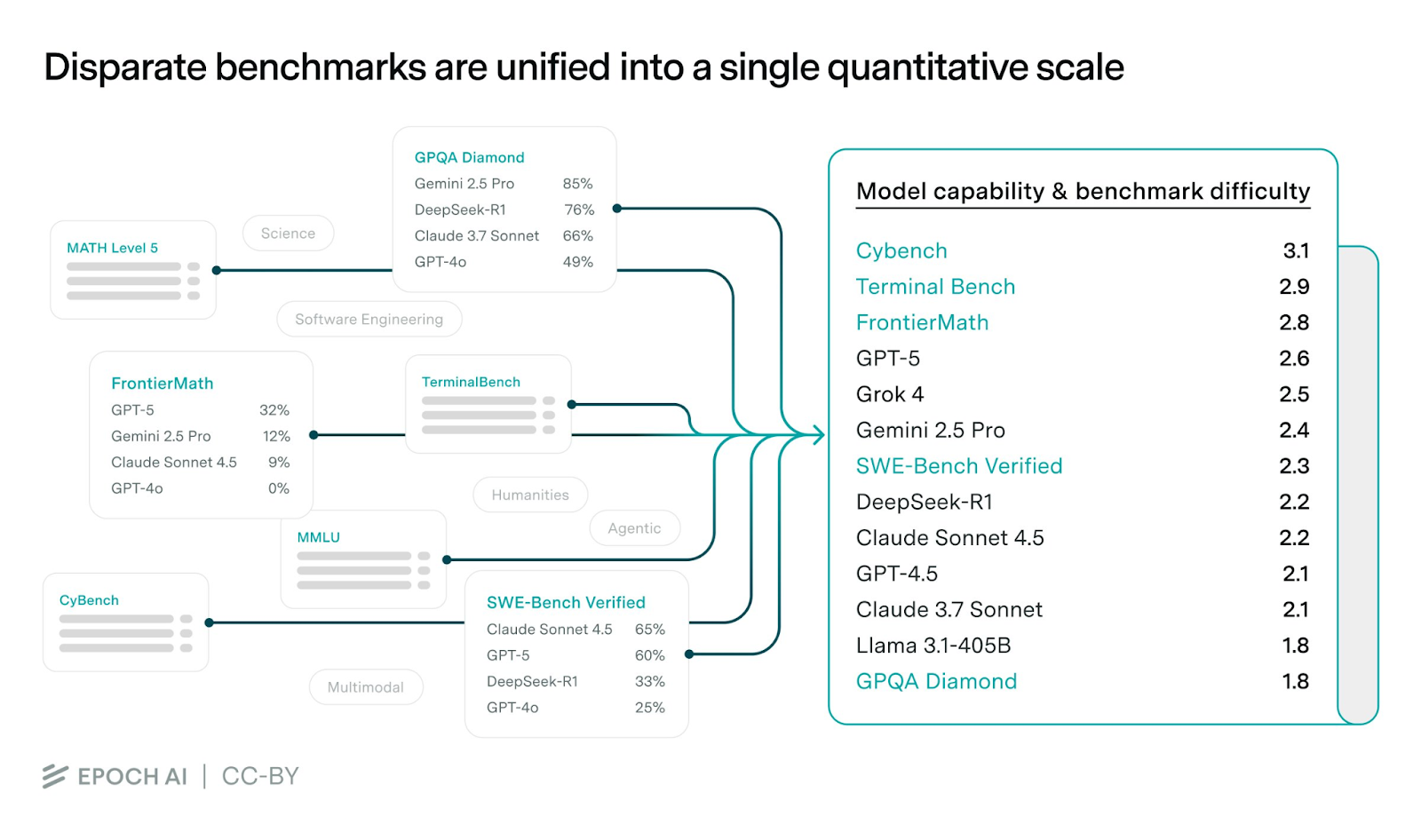
The explicit connection to AI-accelerated development is the most forward-looking aspect. As our coverage of Claude Code (which achieved 80.8% on SWE-Bench Verified in July 2026) and Cursor shows, AI coding tools are rapidly becoming standard in production environments. leboncoin is one of the first organizations to publicly acknowledge that these tools don't just increase output—they increase the coordination surface area.
For retail and luxury organizations, the takeaway is clear: a design system is not a project with an end date. It's ongoing infrastructure that requires dedicated product management, engineering, and design resources. As Robin Lebœuf, leboncoin's Head of Engineering, states: "A design system is not just a project or a product. It is a strategic business choice that requires investment and organization."
The 110 design tokens approach, combined with platform-specific implementations, offers a practical model for luxury brands that need visual consistency across channels without sacrificing native platform experiences. The RGAA score improvement from 30 to 64 also demonstrates that centralized accessibility work can deliver measurable results—a compelling data point for retail organizations facing increasing regulatory pressure on digital accessibility.
One limitation: the article doesn't provide quantitative data on developer velocity improvements or regression reduction. While the qualitative case is strong, retail leaders evaluating similar investments would benefit from metrics on time saved or defect reduction.
Source: medium.com