Kentucky lawmakers back a $100B AI data center at Paducah's former uranium plant, per WPSD Local 6. The project pairs AI compute with an on-site gas power complex, a model gaining traction across the sector.
Key facts
- $100B proposed investment for Paducah AI data center
- Former uranium enrichment plant to be converted
- Project includes gas power complex for AI compute
- Kentucky lawmakers voiced support per WPSD Local 6
- Federal government involved, per ABC News
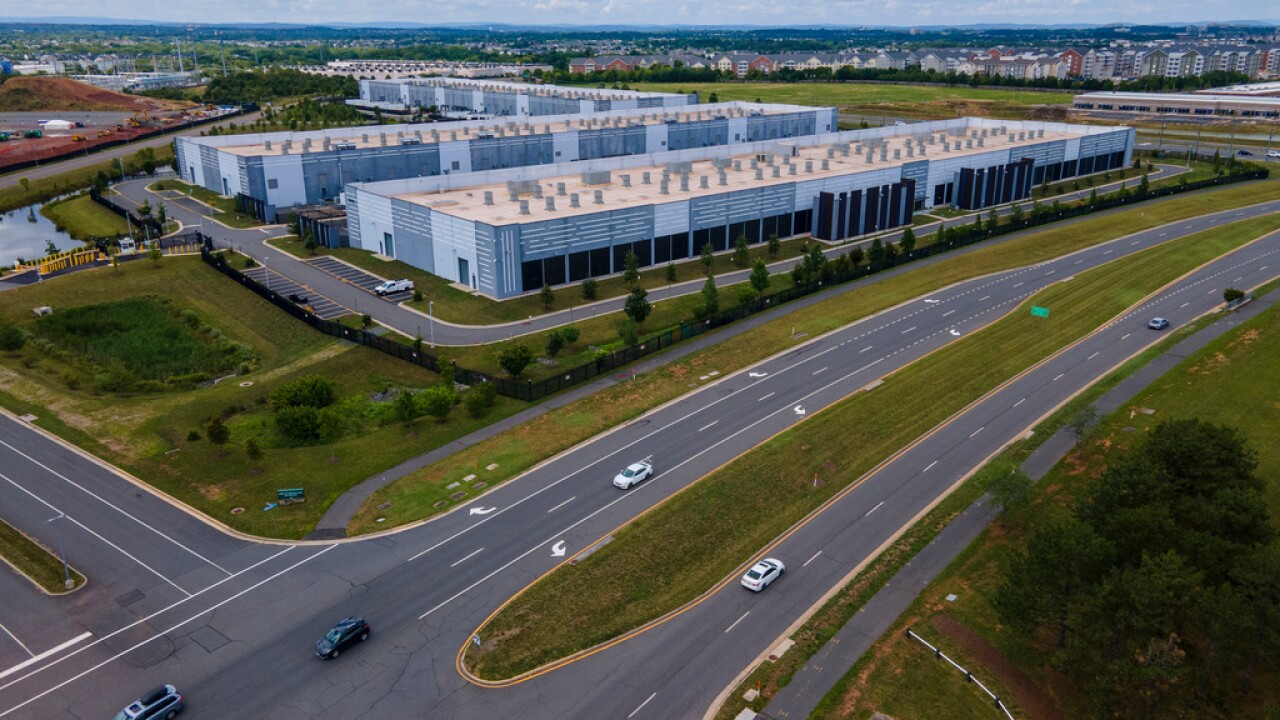
Kentucky lawmakers have expressed support for a $100 billion AI data center project in Paducah, according to WPSD Local 6. The project would convert a former uranium enrichment plant into an AI data center and a gas power complex, a pairing that mirrors a broader industry shift toward co-locating compute with dedicated power generation.
The $100 billion figure places this among the largest AI infrastructure commitments to date, comparable to hyperscaler capex announcements. State leaders highlighted economic benefits—likely jobs and tax revenue—while addressing concerns about energy consumption and environmental impact, per the report. The source does not disclose the timeline, anchor tenant, or specific gas generation capacity, so those details remain open.
This follows a pattern seen across the sector: repurposing industrial sites for AI. The Paducah project fits that trend, leveraging existing grid infrastructure and a skilled workforce. The involvement of the federal government, reported by ABC News, adds a layer of complexity—the site is federal land, which could streamline permitting or invite additional scrutiny.
For context, Google reported its first negative free cash flow since 2004 in July 2026, driven by AI capex, and the industry is shifting from raw spend to deployment speed, as we noted last week. Projects like Paducah are the physical manifestation of that capex, and their success depends on execution—power delivery, construction timelines, and securing tenants.
What the source doesn't say
The WPSD report is light on specifics: no operator named, no power capacity, no construction start date. That's typical for early-stage political endorsements, but it means the $100 billion figure should be treated as aspirational until a developer and offtake agreements are public. The ABC News report confirms the federal role but adds little detail.
Why this matters
Paducah is not just another data center announcement. It's a test of whether the federal government can repurpose strategic assets for AI infrastructure, and whether rural sites can compete with established hubs like Northern Virginia. The gas power component is notable—it suggests the project will not rely solely on grid power, a strategy that's becoming standard as interconnection queues stretch past five years in some regions.
Key Takeaways
- Kentucky lawmakers back a $100B AI data center at Paducah's former uranium plant, pairing compute with gas power.
- Details on tenant and timeline remain undisclosed.
What to watch
Watch for a named developer and anchor tenant, likely a hyperscaler, within 6-12 months. Also track any federal environmental review under NEPA—that will set the actual construction timeline. If Paducah secures a tenant, it signals rural repurposing is viable; if not, the $100B figure stays a political headline.
Source: news.google.com