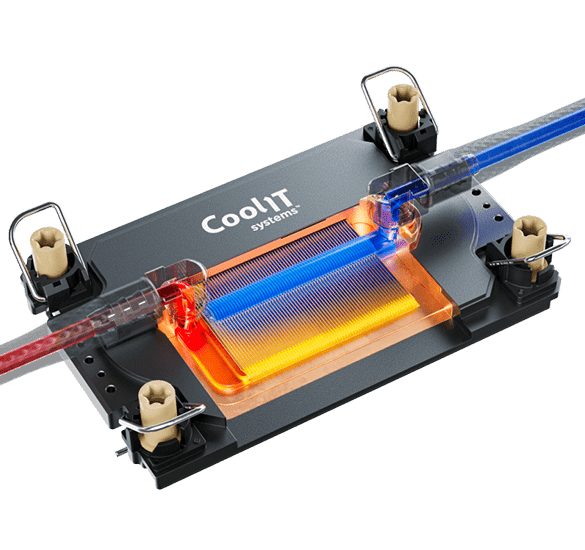
CoolIT Systems demonstrated a 15kW coldplate for single-phase liquid cooling, quadrupling its prior 4kW design. The milestone signals that established cooling architectures can support next-generation AI accelerators without switching to exotic coolants.
Key facts
- CoolIT's 15kW coldplate delivers 4x its prior 4kW design.
- Validated with standard water-glycol coolant at 1.2 L/min/kW.
- Vertiv acquired Strategic Thermal Labs (price undisclosed).
- Accelsius NeuCool IR150 is a rack-level two-phase system.
- LiquidStack GigaModular offers multi-megawatt phased capacity.
The data center cooling market is shifting from proving liquid cooling works to making it deployable at industrial scale. Four vendors—CoolIT Systems, Vertiv, Accelsius, and LiquidStack—recently announced products and acquisitions that target the operational realities of high-density AI infrastructure. According to Liquid Cooling Market Matures
CoolIT Extends Single-Phase DLC Roadmap
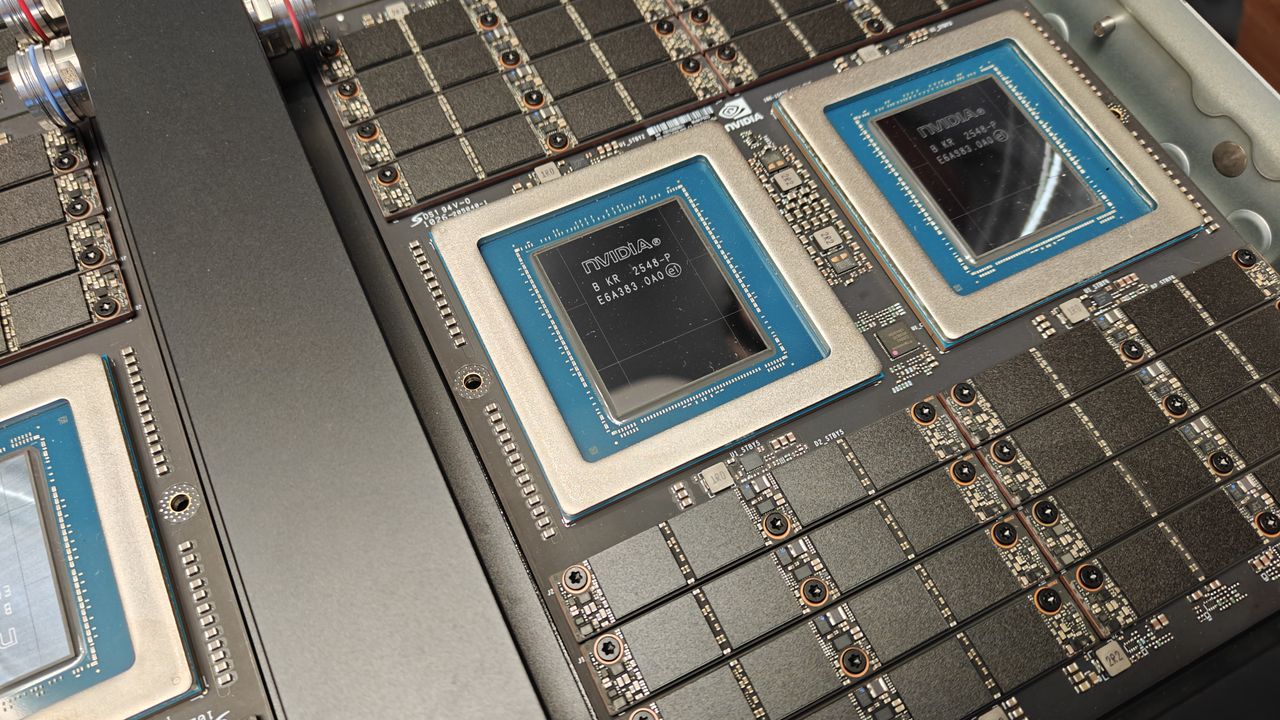
CoolIT Systems claims the industry's first 15kW coldplate design, validated using standard water-glycol coolant at 1.2 L/min/kW with 45°C warm-water compatibility. That's nearly four times the capacity of its previously demonstrated 4kW coldplate and more than 10 times the cooling required for current-generation AI GPUs. The result: single-phase direct liquid cooling (DLC) has a longer runway than some observers expected, potentially delaying the need for two-phase or immersion approaches.
Vertiv Acquires for System-Level Validation
Vertiv's acquisition of Strategic Thermal Labs integrates coldplate design, thermal modeling, and lifecycle support into a single offering. The move reflects a broader industry recognition that component-level cooling specs are insufficient for dense AI racks—system-level validation is now table stakes. [Vertiv did not disclose the acquisition price.]
Accelsius and LiquidStack Target Rack Density
Accelsius introduced the NeuCool IR150, a fully integrated rack-level two-phase cooling system designed to simplify deployment for high-density AI workloads. Meanwhile, LiquidStack's GigaModular platform offers multi-megawatt capacity with phased expansion, aligning with AI campus buildouts that scale incrementally rather than all at once. Both products aim to reduce the integration risk that has slowed liquid cooling adoption in enterprise data centers.
Single-Phase Isn't Dead Yet**
The prevailing narrative has been that two-phase and immersion cooling are inevitable as chip thermal design power (TDP) climbs past 1kW. CoolIT's 15kW coldplate challenges that assumption. If single-phase DLC can handle 15kW per coldplate using standard coolant and warm-water loops, the cost and complexity advantages over two-phase systems could keep single-phase dominant for another generation of AI accelerators. The real bottleneck may shift from cooling capacity to facility plumbing and power delivery.
What This Means for AI Infrastructure
The announcements collectively suggest the liquid cooling market is maturing from experimental installations to standardized, factory-validated products. For operators building AI clusters, the choice is no longer whether to liquid cool but which architecture to standardize on—single-phase DLC, two-phase rack-level, or modular immersion. The answer will depend on accelerator TDP trajectories and facility retrofit costs, not just thermal performance.
What to watch
Watch for CoolIT's 15kW coldplate commercial availability timeline and whether hyperscalers adopt it for next-gen GPU clusters. Also track Vertiv's Q3 earnings for any disclosure on the Strategic Thermal Labs acquisition price and integration roadmap.
Source: datacenterfrontier.com