Lumentum CEO Michael Hurlston told the RAISE Summit that indium phosphide faces a supply squeeze worse than memory. The compound semiconductor behind every AI data center laser is already shipping 30% below demand.
Key facts
- Lumentum shipping 30% below customer demand
- Nvidia invested $2B each in Lumentum and Coherent
- Indium phosphide direct bandgap ~1.34 eV
- Lumentum fiscal Q3 revenue $808.4M, up 90% YoY
- Spectrum-X Photonics: 512 ports at 800 Gb/s
Lumentum CEO Michael Hurlston told the RAISE Summit in Paris that indium phosphide, the compound semiconductor behind every laser in an AI data center, is heading into a supply squeeze worse than the DRAM/NAND crunch. According to Tom's Hardware, Lumentum is already shipping more than 30% below what customers want despite running five indium phosphide fabs.
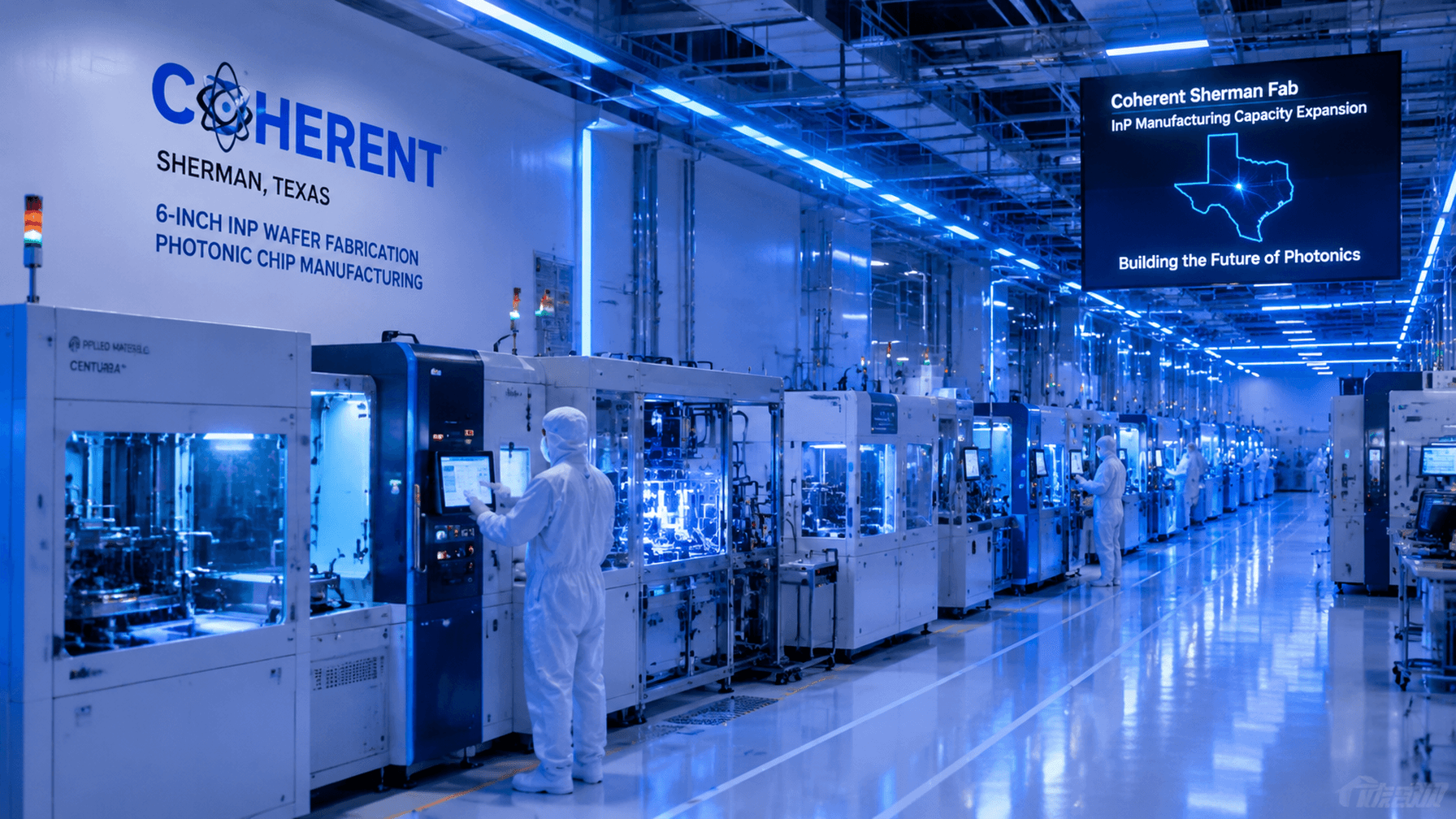
Nvidia's March move — $2 billion checks to Lumentum and Coherent, the two suppliers holding most global capacity — was a direct response. "Between the two of us, I don't think we can service the demand that Nvidia and others are now putting on us," Hurlston said. Telecom customers bought lasers in the hundreds; Nvidia and hyperscalers want hundreds of millions.
Why silicon photonics can't escape indium phosphide
Silicon has an indirect bandgap, so it can guide and modulate light but can't generate it. Indium phosphide's direct bandgap of ~1.34 eV makes it the only practical laser source. Every production silicon photonics platform — Nvidia, Broadcom, Marvell, Cisco — still needs an InP laser in the package. Co-packaged optics moves the laser closer to the switch but doesn't remove it from the bill of materials.
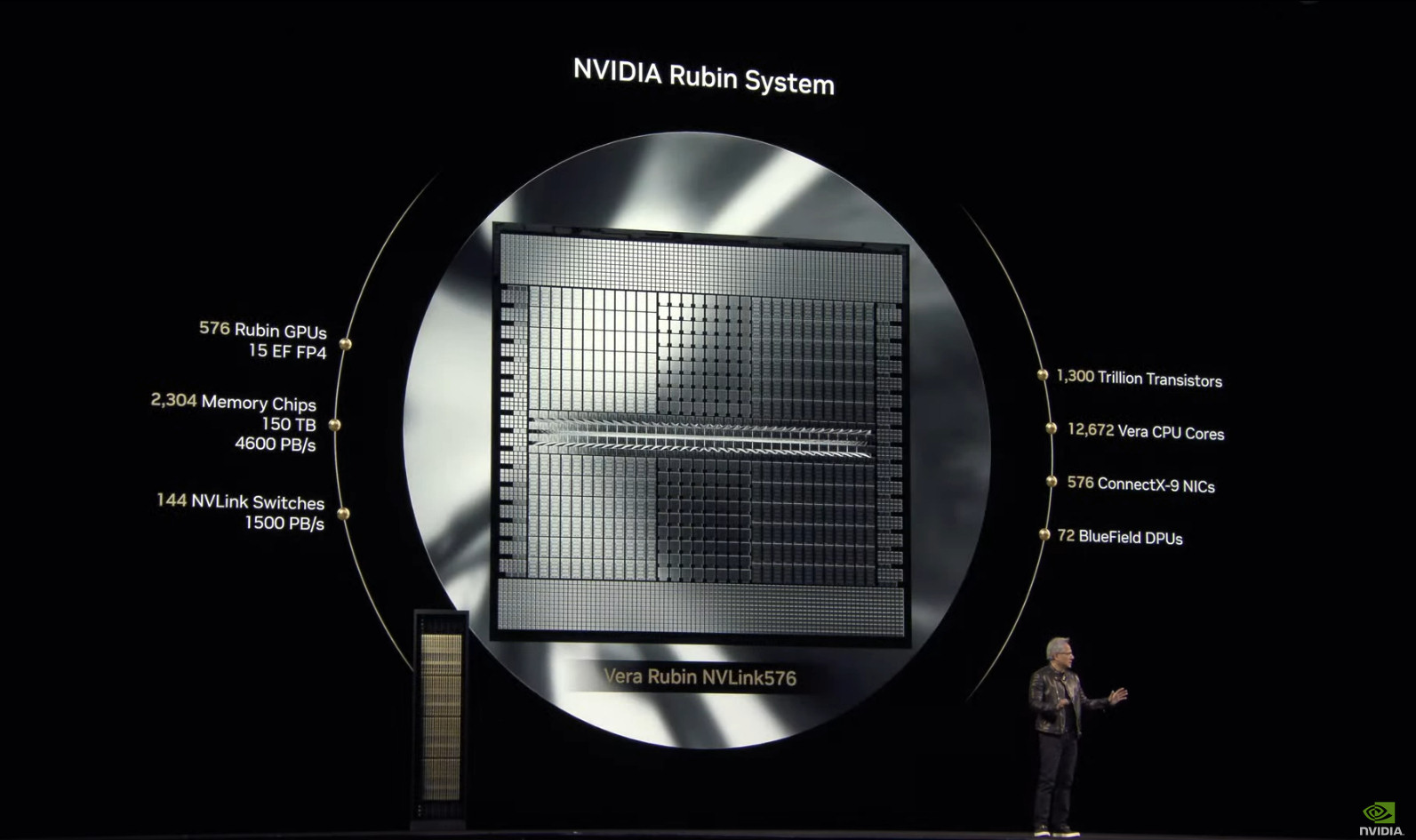
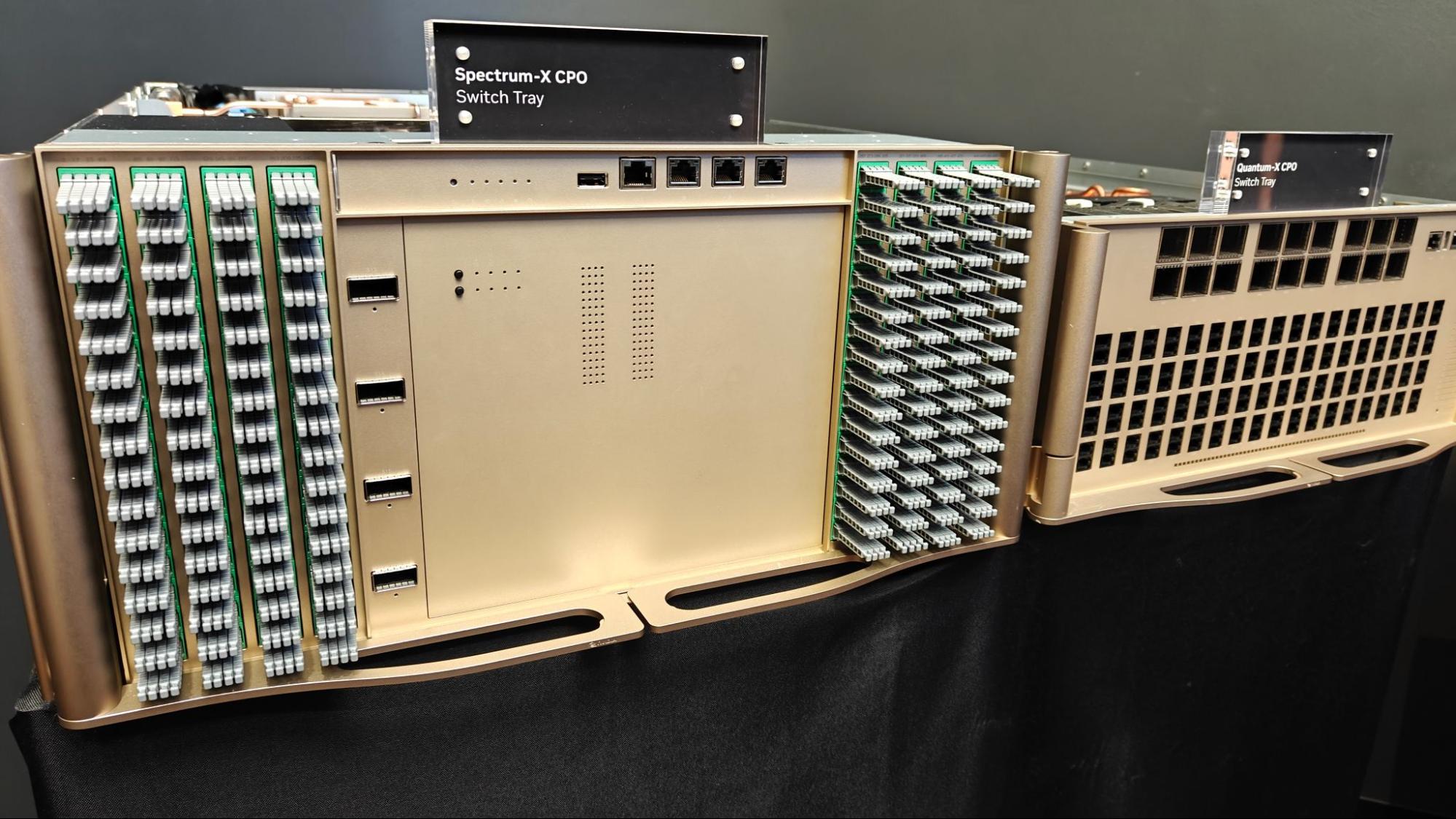
Nvidia's photonics switches claim four times fewer lasers per port, 3.5x better power efficiency, and ten times better resiliency — vendor figures. But port counts are exploding: Spectrum-X Photonics runs 512 ports at 800 Gb/s; Quantum-X Photonics InfiniBand runs 144 ports. Co-packaging also shifts demand toward high-power continuous-wave lasers and external laser modules, which are harder to build than conventional electro-absorption modulated lasers. Coherent's Nvidia agreement specifically covers those high-power CW lasers and fiber array units.
Capacity math and the memory comparison
Lumentum posted record revenue of $808.4 million in fiscal Q3, up 90% year over year. But capacity is the constraint, not demand. The memory comparison is apt: like DRAM/NAND, InP requires specialized fabs with long lead times. Unlike memory, InP capacity is concentrated in two suppliers — Lumentum and Coherent — making the bottleneck structurally tighter. Nvidia's dual investment signals it sees no near-term fix beyond funding both.
What's missing from Hurlston's warning: no timeline for capacity expansion, no dollar figure for new fab investment, and no mention of alternative laser materials. The company did not disclose specific customer commitments beyond Nvidia's purchase agreements.
What to watch
Watch for Lumentum's next quarterly earnings (expected late October) for capacity expansion guidance and any new fab announcements. Also track whether Nvidia increases its $2B commitments or brings in a third InP supplier — a move that would signal the shortage is worse than publicly stated.
Source: tomshardware.com