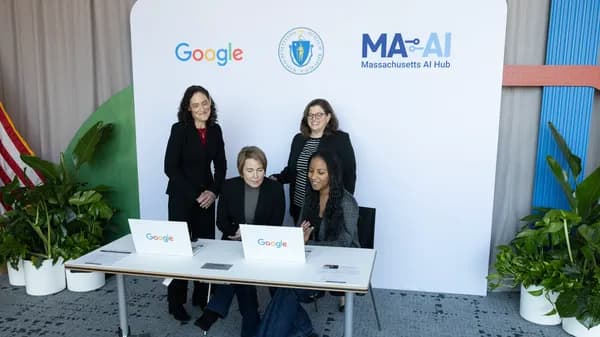
In a significant move to prepare its workforce for the AI-driven future, Massachusetts has announced a groundbreaking partnership with Google to provide every resident with no-cost access to artificial intelligence training. Announced today with Governor Maura Healey, the initiative represents one of the most comprehensive state-level AI education programs in the United States.
The Partnership Framework
The collaboration between Google and the Massachusetts AI Hub will leverage Google's Grow with Google program to deliver comprehensive AI education across the Commonwealth. The program includes access to Google's newly launched AI Professional Certificate alongside the established Google Career Certificates program. This initiative aims to equip Massachusetts residents with practical AI skills applicable to their current roles while creating pathways to new career opportunities.
Governor Healey emphasized the strategic importance of this partnership: "As AI transforms industries across our economy, we're ensuring that every Bay Stater has the opportunity to learn these critical skills. This partnership with Google represents our commitment to maintaining Massachusetts' leadership in innovation while ensuring that technological advancement benefits all our residents."
Program Components and Accessibility
The training initiative will provide access to several key educational resources:
- Google AI Professional Certificate: A new credential program designed to teach foundational AI concepts, tools, and applications
- Google Career Certificates: Existing programs in high-demand fields like data analytics, IT support, and project management, now enhanced with AI components
- Flexible Learning Formats: Online courses accessible to residents across Massachusetts, regardless of location or schedule constraints
- Industry-Recognized Credentials: Certificates that demonstrate competency to employers in the rapidly evolving job market
The program's "no-cost" model eliminates financial barriers that often prevent workforce participation in technology training, particularly for mid-career professionals and those in industries facing AI disruption.
Context: Google's Broader AI Strategy
This Massachusetts initiative comes amid Google's expanding efforts to establish itself as a leader in AI education and workforce development. The company has recently:
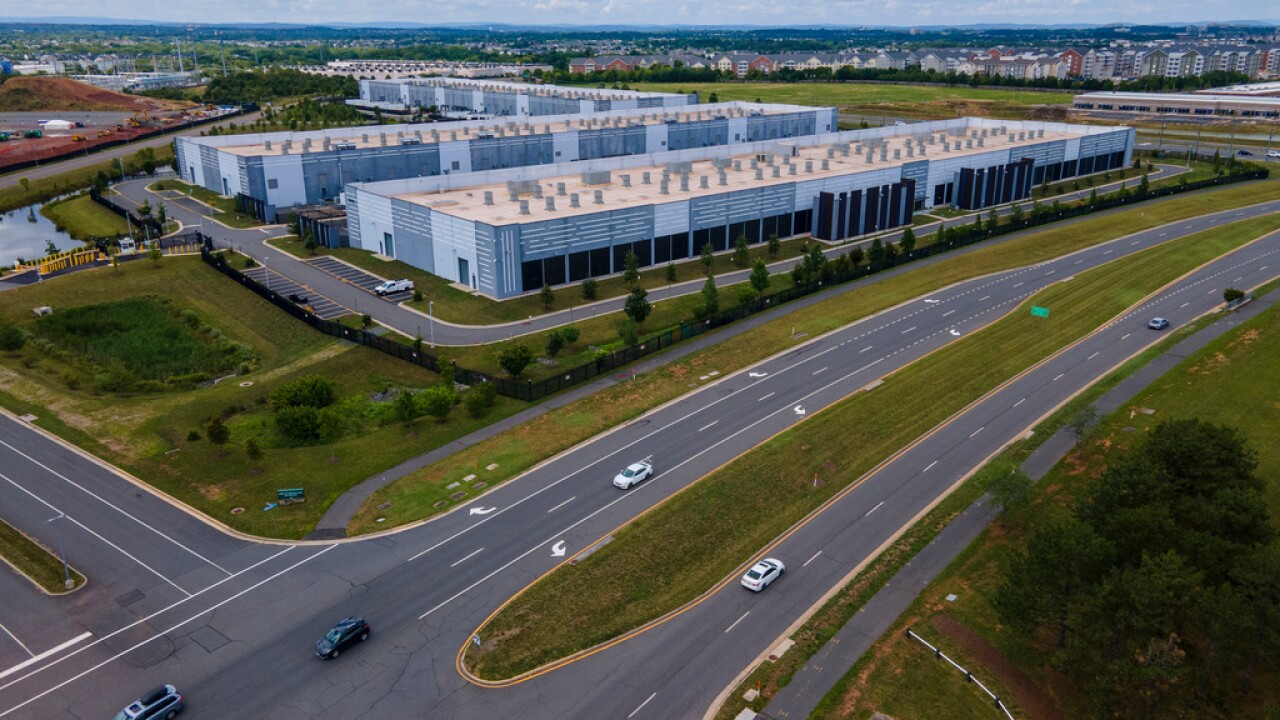
- Participated in the White House pledge to self-generate power for new AI data centers (February 25, 2026)
- Published research revealing fundamental flaws in diffusion model training methods
- Developed specialized AI models like Gemini 3.1 Flash Image to compete in visual AI spaces
- Maintained competitive positioning against rivals like OpenAI and Apple in the AI landscape
Google's partnership with Massachusetts follows similar patterns to its Agentic AI Foundation collaboration and reflects the company's strategic interest in shaping AI adoption through education.
Implications for Workforce Development
The Massachusetts initiative arrives at a critical juncture in AI adoption. According to recent labor market analyses, AI skills are becoming increasingly essential across diverse sectors, from healthcare and finance to manufacturing and creative industries. By providing statewide access to AI training, Massachusetts aims to:
- Mitigate displacement risks: Equip workers with skills to adapt to AI-enhanced workflows
- Accelerate innovation: Create a talent pipeline for the state's growing AI sector
- Promote equitable access: Ensure rural and underserved communities benefit from AI advancements
- Maintain economic competitiveness: Position Massachusetts as a leader in the AI-driven economy
National Implications and Potential Replication
This partnership establishes a potential model for other states grappling with similar workforce challenges. The collaboration between a state government and a major technology company to deliver scalable, accessible AI education could inspire similar initiatives nationwide. Key elements that make this model replicable include:
- Public-private partnership structure
- Existing educational infrastructure (Google's certificate programs)
- State-level coordination through the Massachusetts AI Hub
- Focus on both foundational and applied AI skills
Challenges and Considerations
While promising, the initiative faces several challenges:
- Digital divide: Ensuring all residents have adequate internet access and devices
- Curriculum relevance: Maintaining training content that reflects rapidly evolving AI technologies
- Outcome measurement: Tracking employment and economic impacts of the training
- Long-term sustainability: Determining how to fund and maintain the program beyond initial implementation
Looking Forward
The Massachusetts-Google partnership represents a proactive approach to one of the most significant economic transformations of our time. By democratizing access to AI education, the initiative seeks to transform potential disruption into opportunity. As AI continues to reshape industries, such statewide programs may become essential components of economic resilience and growth strategies.
Success will depend not only on participation rates but on measurable outcomes in employment, wage growth, and business innovation. If effective, this model could establish new standards for how governments and technology companies collaborate to prepare societies for technological change.
Source: Google Company News, "Google AI training for Massachusetts residents," February 26, 2026.