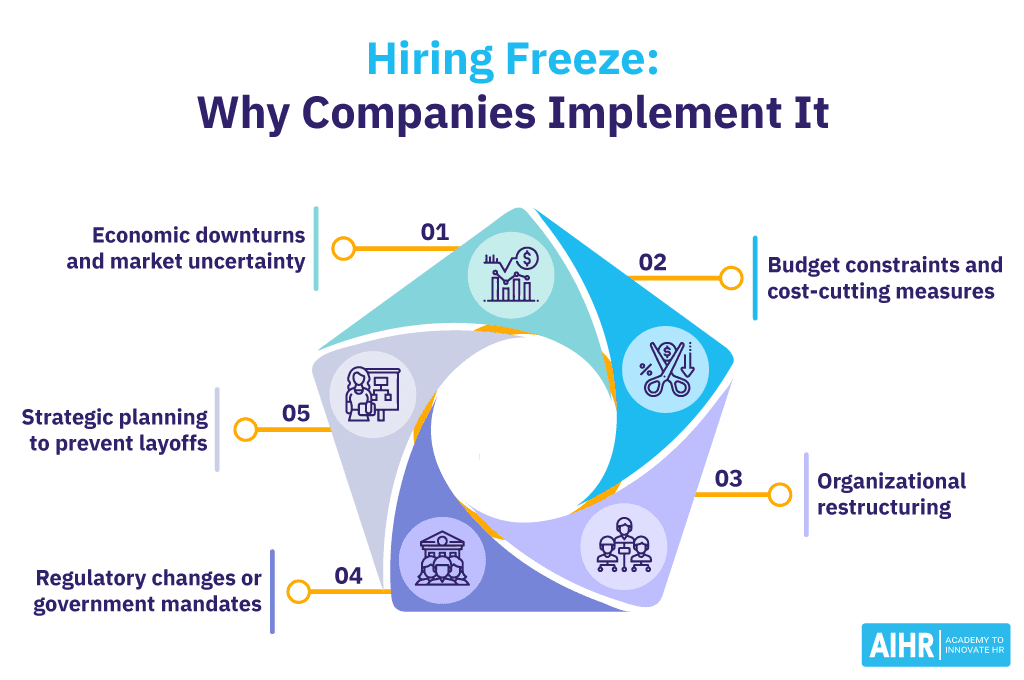
Thousands of Microsoft employees received an internal email this week announcing a hiring freeze and job cuts. According to a report from journalist George Pu, the stated reason for the workforce reduction is the company's massive $80 billion expenditure on AI infrastructure in the past year. The company is now seeking to "find the margin somewhere," with the cuts reportedly targeting its human workforce.
What Happened
An internal communication was sent to a significant portion of Microsoft's global workforce. The email explicitly stated that hiring is now frozen and that job cuts are being implemented. The rationale provided directly links these financial austerity measures to the company's unprecedented capital investment in artificial intelligence infrastructure during the previous fiscal year.
Context
This move represents a stark financial reallocation within one of the world's largest technology companies. The $80 billion figure underscores the immense scale of investment required to compete at the forefront of generative AI, covering expenses for data centers, specialized silicon (like NVIDIA GPUs), cloud computing capacity, and energy costs. Microsoft's partnership with OpenAI and the integration of AI models across its product suite (Azure, Copilot, Microsoft 365) has necessitated this infrastructure build-out. The company is now facing the operational reality of balancing these colossal capital expenditures against its profit margins, leading to a recalibration of its largest operational cost: its workforce.
gentic.news Analysis
This development is a concrete manifestation of the capital-intensive nature of the current AI arms race. Microsoft's strategy, as we've covered in our analysis of its OpenAI partnership and Azure AI expansion, has been to aggressively outspend competitors on compute to secure a dominant platform position. The $80 billion spend is consistent with industry estimates and CEO Satya Nadella's repeated emphasis on AI as the company's top priority. However, this report reveals the internal cost of that strategy.
This action follows a pattern of workforce adjustments in the tech sector post-pandemic hiring surges, but the direct linkage to AI capex is new and significant. It suggests that even for a cash-rich giant like Microsoft, the ROI on AI infrastructure is not immediate, and margin pressure is real. This aligns with our previous reporting on the soaring costs of training frontier models and the emerging divide between companies that can afford the compute race and those that cannot. It also contradicts the narrative that AI investment is purely additive; here we see it being directly framed as a trade-off against other corporate resources.
For practitioners and leaders in the AI space, this is a critical data point. It validates that infrastructure is the primary bottleneck and cost center, and that business models must evolve to generate sufficient revenue from AI services to justify these investments. Watch for similar margin-focused actions from other hyperscalers like Google Cloud and AWS as they grapple with their own massive AI infrastructure bills.
Frequently Asked Questions
Why is Microsoft cutting jobs?
According to an internal email reported by journalist George Pu, Microsoft is implementing job cuts and a hiring freeze to "find the margin" after spending approximately $80 billion on AI infrastructure last year. The company is reallocating resources from workforce costs to cover its massive capital expenditures in data centers and compute hardware necessary for AI development and services.
How much did Microsoft spend on AI infrastructure?
The internal communication cited in the report states that Microsoft spent $80 billion on AI infrastructure in the last year. This encompasses investments in data center construction, procurement of AI accelerators (like GPUs from NVIDIA and its own custom silicon), networking, and the associated energy and operational costs required to power and cool these facilities.
What does this mean for Microsoft's AI strategy?
This move indicates that Microsoft's all-in bet on AI, through its partnership with OpenAI and Azure AI services, requires sustained, enormous capital investment. The job cuts suggest that achieving profitability and margin targets while funding this expansion is a pressing challenge. It does not signal a retreat from AI, but rather a painful prioritization where infrastructure spending is being funded, in part, by reductions in other areas of the company's budget.
Is this part of a larger tech industry trend?
Yes, but with a key distinction. Many large tech companies conducted layoffs in 2023 and 2024 to correct over-hiring during the pandemic. Microsoft's reported rationale is uniquely specific, directly tying the workforce reduction to offsetting the cost of its AI infrastructure build-out. This explicitly frames advanced AI not just as a growth engine but as a capital-intensive burden that requires significant financial trade-offs within the organization.