What Happened
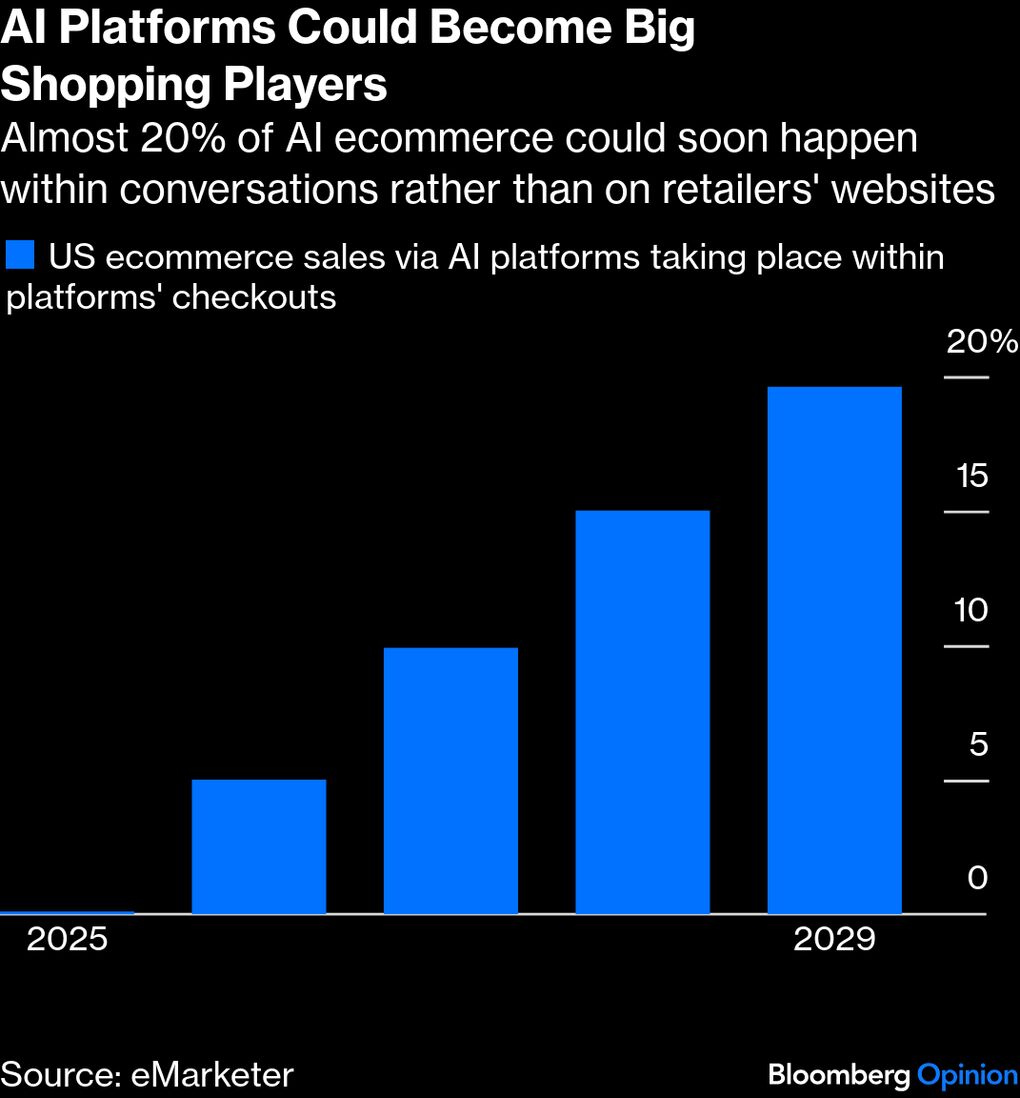
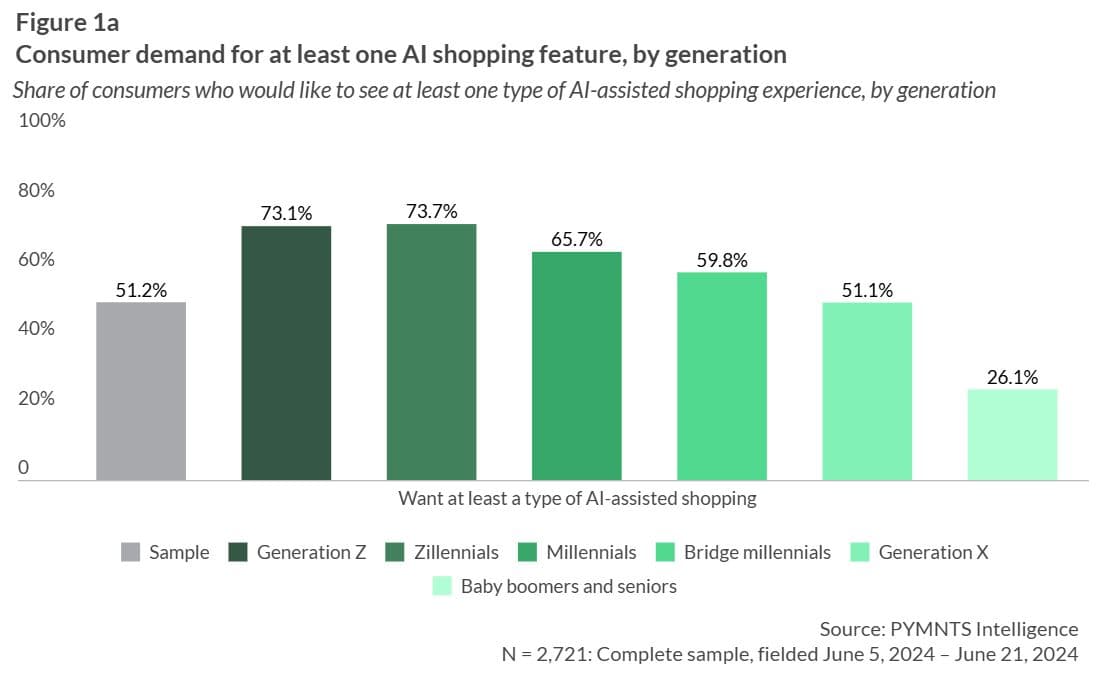
A recent report from eMarketer reveals that the majority of digital shoppers are still not sold on AI shopping tools. Despite significant investments by major technology companies and retailers in AI-powered recommendations, chatbots, and personalization engines, consumer skepticism remains high. The report underscores a critical gap between the industry's enthusiasm for AI and actual user adoption.
The Trust Gap
The eMarketer findings highlight that trust is the primary barrier. Shoppers express concerns about the accuracy of AI-driven product suggestions, the relevance of personalized offers, and the transparency of how their data is used. This aligns with broader consumer sentiment around AI, where privacy and reliability are top-of-mind.
Retail & Luxury Implications
For luxury and retail brands, this report is a sobering reality check. While AI has the potential to transform customer experiences—from virtual try-ons to personalized styling—the data suggests that consumers are not yet ready to cede control to algorithms. For high-end retailers like Kering, Richemont, and Burberry, where brand trust and human touch are paramount, the risks of pushing AI too aggressively are significant.
- Customer Experience: AI must augment, not replace, human expertise. Luxury shoppers value curated, human-led service.
- Data Privacy: High-net-worth individuals are particularly sensitive to data usage. Transparent opt-in models are essential.
- Relevance: Generic AI recommendations can erode brand perception. Fine-tuned models with luxury-specific training data are necessary.
Business Impact
The eMarketer report implies that retailers may be over-investing in AI features that fail to drive adoption. Without addressing trust, ROI on AI deployments could be disappointing. However, the opportunity remains substantial for brands that can bridge the gap through better UX, transparency, and hybrid human-AI models.
Implementation Approach
- Start Small: Pilot AI features with opt-in user groups to gather feedback.
- Prioritize Transparency: Clearly communicate how AI is used, including data handling and recommendation logic.
- Human-in-the-Loop: Ensure AI outputs are reviewable by human experts, especially for high-stakes luxury purchases.
- Measure Trust: Track user satisfaction and trust metrics alongside traditional conversion KPIs.
Governance & Risk Assessment
- Privacy: Ensure compliance with GDPR, CCPA, and emerging AI regulations.
- Bias: Audit AI models for bias in recommendations, especially in luxury where exclusivity is key.
- Maturity: Consumer trust in AI shopping is low—deployments should be cautious and iterative.
Source: news.google.com