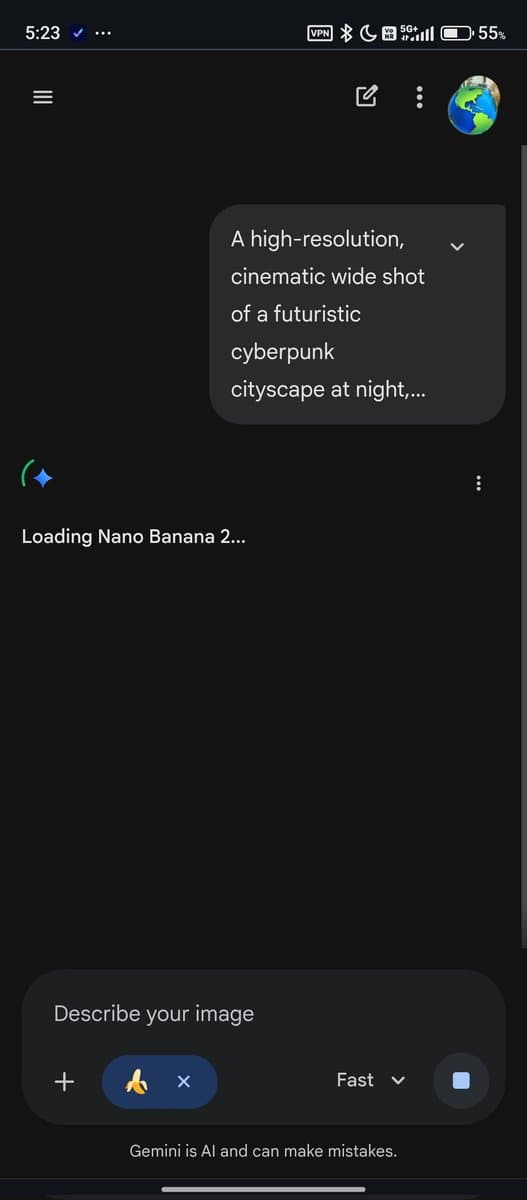
Reports are emerging from the AI development community that Nano Banana 2 has begun rolling out, signaling what appears to be a significant upgrade to this specialized creative tool. While details remain scarce, the announcement from developer accounts suggests this iteration builds upon whatever foundation was established by the original Nano Banana platform, which has maintained a somewhat enigmatic presence in the AI tool ecosystem.
What We Know About Nano Banana
Before examining the potential implications of version 2, it's important to understand the context. The original Nano Banana gained attention within niche creative circles as a tool that reportedly specialized in AI-assisted content generation and manipulation. While not as widely publicized as mainstream platforms like Midjourney or Stable Diffusion, it developed a following among users seeking specific workflows or experimental approaches to generative AI.
Based on community discussions and limited documentation, Nano Banana appeared to focus on streamlined interfaces for specific creative tasks, potentially including image generation, style transfer, or content remixing. The "banana" nomenclature has typically been associated with playful, accessible interfaces in tech culture, suggesting the platform might prioritize user experience over raw technical complexity.
The Significance of Version 2
The transition to Nano Banana 2 suggests several important developments:
Technical Advancements: Version numbering in AI tools typically indicates substantial under-the-hood improvements. We can reasonably speculate that Nano Banana 2 incorporates more recent machine learning architectures, potentially offering better quality outputs, faster processing, or new capabilities that weren't feasible in the initial version.
Expanded Capabilities: Second-generation AI creative tools often introduce new modalities or significantly improved parameters. Nano Banana 2 might offer enhanced resolution, more sophisticated style controls, or integration with other creative software that positions it as a more comprehensive solution for digital artists and content creators.
Market Positioning: The quiet rollout suggests a targeted approach, possibly focusing on existing users or specific creative communities before broader promotion. This strategy is common with tools that serve specialized needs rather than attempting to compete directly with mass-market alternatives.
The Broader AI Creative Landscape
Nano Banana 2 enters a rapidly evolving ecosystem where specialized tools are gaining prominence alongside general-purpose platforms. While tools like DALL-E and ChatGPT dominate headlines, there's growing demand for applications that address specific creative workflows with tailored interfaces and optimized performance for particular tasks.
This development reflects several trends in AI creativity:
- Democratization of Sophisticated Tools: Even niche applications now receive substantial updates, making advanced AI capabilities accessible to specialized user bases.
- Iterative Improvement Culture: The move from initial version to second generation demonstrates how AI tools are adopting software development practices of continuous enhancement.
- Community-Driven Development: Tools with dedicated followings often evolve based on user feedback, potentially making Nano Banana 2 more responsive to actual creative needs than one-size-fits-all solutions.
Potential Applications and Implications
While specific features remain unconfirmed, tools like Nano Banana typically serve several creative functions:
Rapid Prototyping: Artists and designers might use such tools to quickly generate visual concepts or explore stylistic variations before committing to more labor-intensive traditional methods.
Content Enhancement: The platform could offer sophisticated upscaling, style adaptation, or composition adjustments that help creators refine existing work through AI assistance.
Educational Applications: Accessible AI tools with playful interfaces often find use in educational contexts, helping newcomers understand generative AI concepts through hands-on experimentation.
Professional Integration: As AI tools mature, they increasingly need to fit within professional workflows, potentially offering export options, layer compatibility, or other features that bridge the gap between experimental AI generation and practical creative production.
Looking Forward
The emergence of Nano Banana 2 represents more than just another software update—it reflects the maturing of the specialized AI tool market. As the initial wave of AI creativity tools establishes itself, we're seeing increased differentiation, with platforms carving out specific niches rather than attempting to be everything to everyone.
This specialization benefits users by offering tools optimized for their particular needs, whether that's a specific artistic style, workflow integration, or level of technical complexity. The continued development of tools like Nano Banana suggests that the AI creative revolution is entering a more nuanced phase where diversity of approaches and targeted solutions will drive the next wave of innovation.
As more information becomes available about Nano Banana 2's specific capabilities, we'll gain clearer insight into how specialized AI tools are evolving to meet the sophisticated demands of today's digital creators. What's already clear is that the landscape of AI-assisted creativity continues to expand in both breadth and depth, offering increasingly refined tools for every imaginable creative pursuit.