The Innovation — What the Source Reports
A new study from research and insight specialists, The Navigators, titled "AI Brandscape 2026," provides one of the most robust examinations of how Australians use and relate to AI tools. The core finding is stark: generative AI is no longer an emerging technology but a mainstream gatekeeper to consumer choice.
The research reveals that 43% of Australians now regularly use AI tools, with an additional 20% having tried them. This rapid adoption has shifted AI from a novelty to an embedded part of everyday decision-making, often intercepting consumers before they ever reach a brand's website, app, or physical store.
Key Data Points from the Study
1. AI as the New Search Engine:
- 38% of Australians now use AI as a complement or replacement for traditional search.
- 41% pay attention to AI-generated search summaries.
- 29% say they trust those summaries.
2. AI's Direct Influence on Purchasing:
- 39% of Australians use AI to help make buying decisions.
- 31% have acted on an AI recommendation.
- 27% are open to buying a product directly via an AI tool.
3. How AI Assists the Consumer Journey:
Among Australians who have used AI for buying decisions, AI most commonly helps with:
- Comparing brands (80%)
- Discovering new options (72%)
- Understanding pricing (56%)
- Receiving recommendations (48%)
The study indicates this AI-assisted purchasing spans both high-consideration and lower-consideration categories, though the source excerpt cuts off before specifying which.
Why This Matters for Retail & Luxury
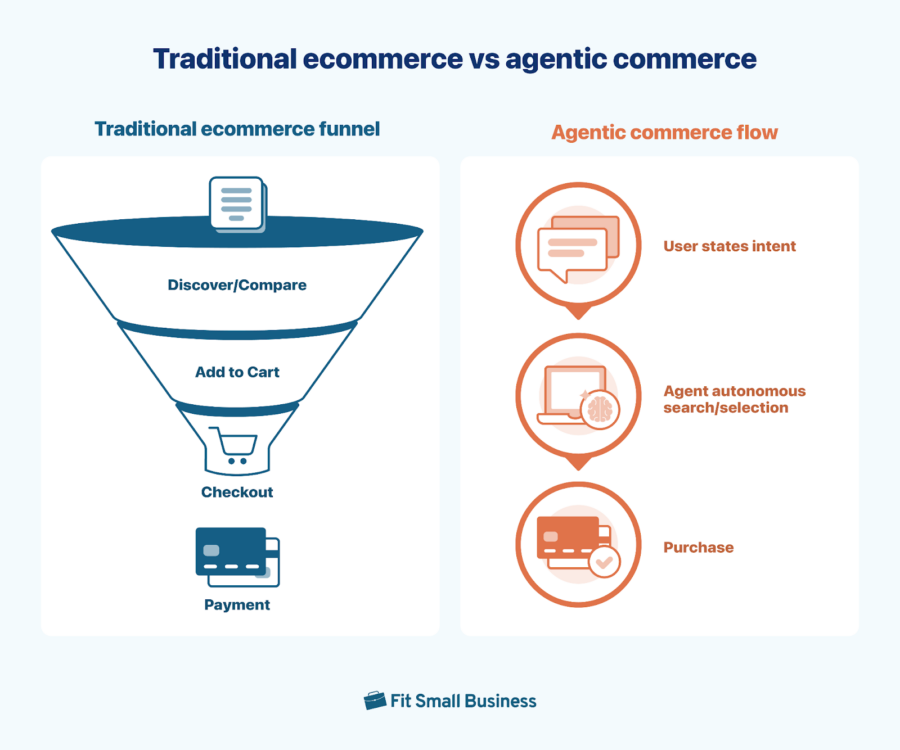
For luxury and retail brands, this represents a fundamental shift in where and how brand narratives are formed and purchase decisions are made. The traditional funnel—where a brand controls the narrative through its owned channels (website, boutique, campaign)—is being bypassed. The first point of contact for a consumer researching a handbag, a watch, or a pair of shoes is increasingly an AI interface (like ChatGPT, Gemini, or a brand's own AI shopping assistant).
Concrete Scenarios:
- Discovery & Consideration: A consumer asks an AI, "What are the best sustainable luxury sneakers under $800?" The AI's response, drawing from its training data, becomes the de facto consideration set. Brands not optimized for this query may be excluded entirely.
- Comparison & Validation: "Compare the craftsmanship and heritage of a Bottega Veneta intrecciato bag versus a Loewe puzzle bag." The AI's summary becomes a trusted source of comparison, potentially overriding a brand's own messaging.
- Direct Commerce: The 27% openness to buying via an AI tool points to a future where transactions are initiated within conversational AI, not on a brand's e-commerce platform.
Business Impact
The impact is both a risk and an opportunity.
Risk of Invisibility: If a brand's products, values, and differentiators are not accurately and compellingly represented in the foundational data and models that power these AI tools, it risks becoming invisible during the critical discovery and comparison phases. This is especially acute for heritage and craftsmanship narratives that are complex and may be oversimplified by AI.
Opportunity for Influence: The data shows consumers are listening. 29% trust AI summaries. This presents a massive opportunity for brands that proactively shape how they are represented in the AI ecosystem. This goes beyond SEO; it's about "AI-O" (AI Optimization)—ensuring key brand assets, narratives, and product information are structured in a way that generative AI tools can accurately retrieve and synthesize.
Implementation Approach
Adapting to this new landscape requires a cross-functional strategy:
Technical & Data Foundation:
- Structured Data & Knowledge Graphs: Ensure product data (materials, craftsmanship, provenance, price) is published in structured, machine-readable formats (Schema.org) on your website. Build a rich internal knowledge graph of your brand's heritage, techniques, and sustainability credentials.
- API-First Product Information: Make detailed, accurate product information available via APIs for potential integration with AI shopping platforms and tools.
Content & Narrative Strategy:
- AI-Native Content: Develop authoritative, factual content that clearly articulates your brand's unique value proposition, designed to be an ideal source for AI synthesis. Think FAQs, detailed technical guides, and comparative explainers written with clarity and depth.
- Prompt Engineering for Brands: Understand the types of prompts consumers will use to find your products and ensure your digital presence answers them comprehensively.
Partnership & Ecosystem Strategy:
- Engage with AI Platform Providers: Establish relationships with key players (like Google with its Gemini ecosystem) to understand how brand information is ingested and used. Explore official partnerships or verification programs as they emerge.
- Develop Branded AI Experiences: Build your own AI-powered shopping assistants or concierges, leveraging your proprietary data and brand voice to guide customers, thereby controlling a portion of the AI interaction layer.
Governance & Risk Assessment
Privacy & Data Security: Feeding information into the AI ecosystem must be balanced with protecting proprietary design and business data. Clear governance is needed on what data is public-facing for AI ingestion versus kept private.
Brand Safety & Misrepresentation: There is a significant risk of AI "hallucinating" incorrect facts about a brand's history, misstating product details, or making inappropriate comparisons. Continuous monitoring of how your brand is represented in major AI outputs is essential, alongside processes for correction.
Maturity Level: This shift is happening now, not in a distant future. The Australian data (likely a leading indicator for other developed markets) shows mainstream adoption is already underway. The technology and consumer behavior are mature enough to demand immediate strategic attention. However, the tools for brands to manage their AI presence are still in their infancy, creating a pressing need for experimentation and early-mover advantage.
Bias & Accessibility: Brands must consider whether reliance on AI gatekeepers could inadvertently narrow consumer choice or reinforce biases (e.g., favoring larger brands with more digital data footprints). Proactively ensuring inclusive representation in your AI-optimized data is crucial.