Skip to content
gentic.news — AI News Intelligence Platform
Connecting to the Living Graph…

Listen to today's AI briefing

Daily podcast — 5 min, AI-narrated summary of top stories

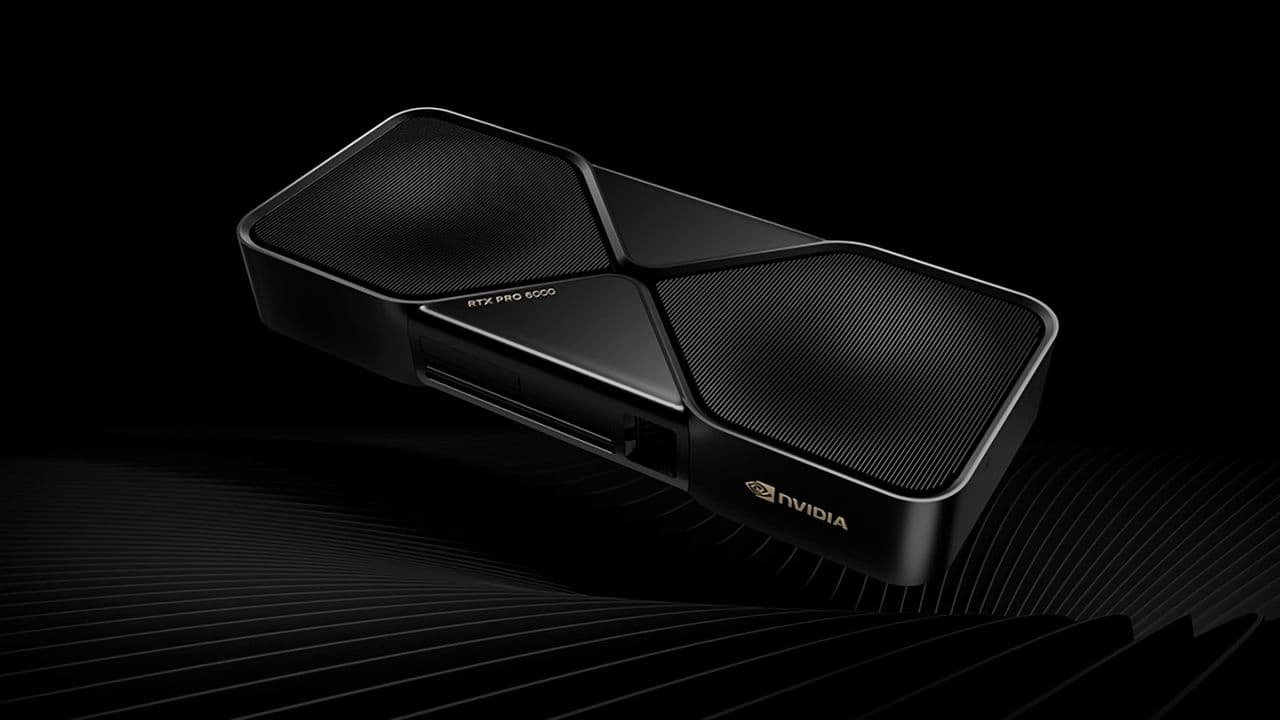
Nvidia RTX Pro 6000 Blackwell GPU on a workstation motherboard with cooling fans, surrounded by cables and a dark…

Nvidia RTX Pro 6000 Hits $13,250, Up 55% in a Year

Nvidia raised RTX Pro 6000 Blackwell to $13,250, up 55% in a year. Memory shortage and AI demand drive prices.

·17h ago·3 min read··10 views·AI-Generated·Report error
Share:
Source: tomshardware.comvia tomshardwareSingle Source
How much did Nvidia increase the RTX Pro 6000 Blackwell GPU price?

Nvidia raised the RTX Pro 6000 Blackwell GPU price to $13,250, a 55% increase from its $8,565 launch price a year ago. Partner cards start at $11,359.99. The hike reflects memory shortages and AI-driven demand.

TL;DR

Nvidia raises RTX Pro 6000 Blackwell to $13,250 · 55% increase over original $8,565 launch price · Memory shortage and AI demand driving prices up

Nvidia raised the blackwell" class="entity-chip">RTX Pro 6000 Blackwell GPU to $13,250, a 55% jump from its $8,565 launch price a year ago. The increase reflects persistent memory shortages and AI-driven demand for workstation-class compute.

Key facts

  • RTX Pro 6000 Blackwell price: $13,250
  • 55% increase from $8,565 launch price
  • PNY variant costs $11,359.99
  • Server edition listed at $14,999
  • Newegg sells for $12,099.99

Nvidia has quietly increased the price of the RTX Pro 6000 Blackwell GPU to $13,250, according to Tom's Hardware. The flagship workstation card, launched in March 2025, originally carried an MSRP of $8,565. The 55% hike in under 12 months is the steepest price increase for a single workstation GPU generation in recent memory.

The RTX Pro 6000 comes in three variants: Workstation Edition, Max-Q Workstation Edition, and a Server Edition for data centers. Nvidia's own marketplace lists the base card at $13,250, while partner PNY's version starts at $11,359.99 — 14% below Nvidia's MSRP. Retailers like Newegg are selling it for $12,099.99, and the server variant reaches $14,999 from third-party sellers.

Key Takeaways

  • Nvidia raised RTX Pro 6000 Blackwell to $13,250, up 55% in a year.
  • Memory shortage and AI demand drive prices.

Why It Matters

The price surge is not an isolated workstation phenomenon. Nvidia's entire GPU stack — from consumer gaming cards to data-center accelerators — is under pressure from a global memory shortage and insatiable AI demand. The RTX Pro 6000's 55% increase mirrors trends seen across the Blackwell lineup, where supply constraints have allowed Nvidia to capture more value. The company's dominant position in AI infrastructure, with Blackwell powering much of the current training and inference buildout, gives it pricing power that rivals cannot match.

What Competitors Are Doing

AMD and Intel have yet to match Nvidia's workstation price points, but both are ramping up their own professional GPU lines. AMD's Radeon Pro W7900, for instance, launched at $3,999, but lacks the memory bandwidth needed for large AI models. Intel's Arc Pro series remains a budget option. For now, Nvidia faces no credible threat in the high-end workstation segment, allowing it to pass cost increases directly to customers.
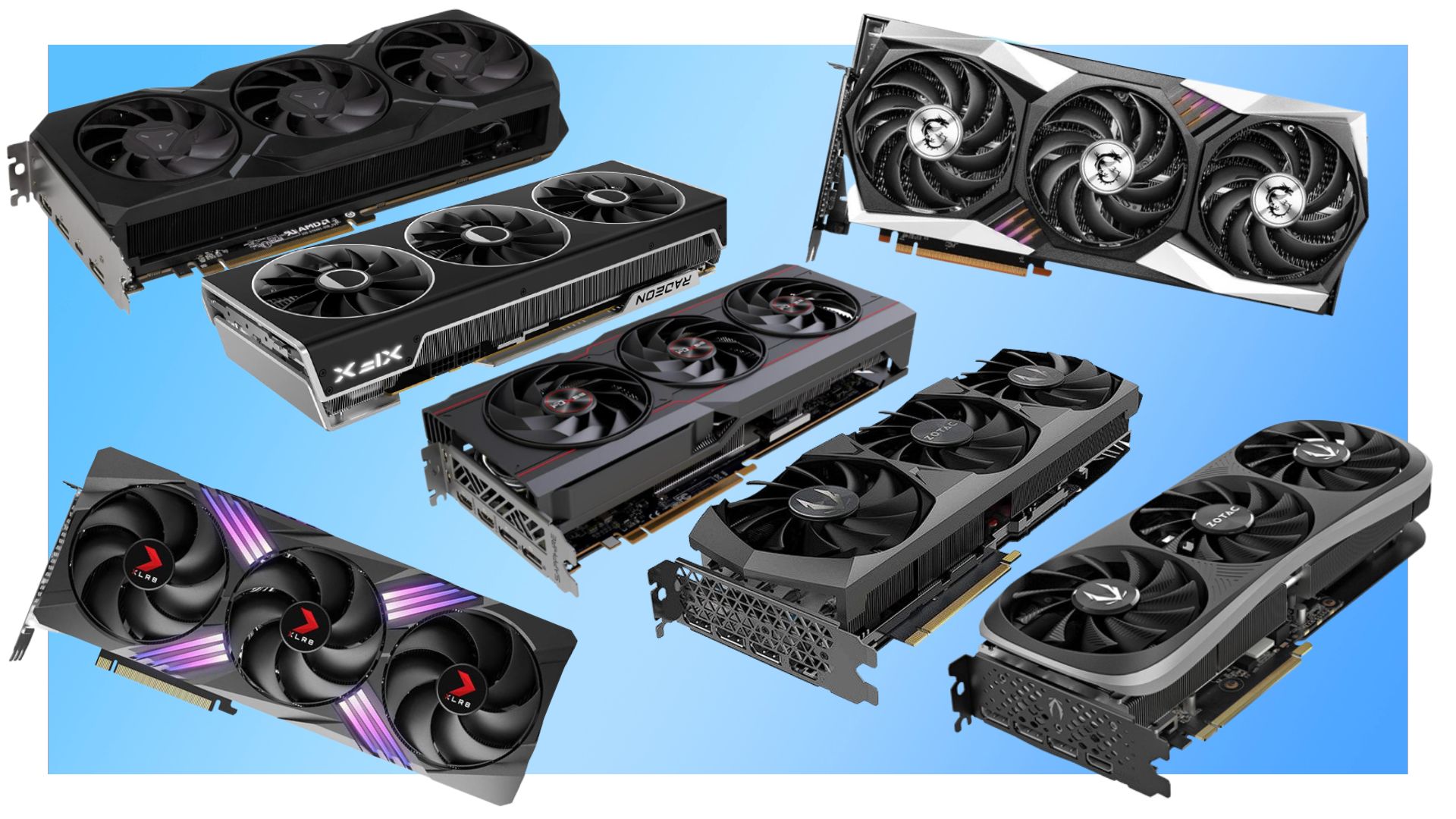
A selection of graphics cards

The memory shortage shows no signs of easing. HBM3e and HBM4 supply remains tight, and Nvidia's own data-center GPUs consume the vast majority of available high-bandwidth memory. Workstation users are left competing with hyperscalers for the same silicon.

What to watch

Watch for Nvidia's Q3 2026 earnings in August for commentary on GPU pricing trends and memory supply. Also track HBM3e spot prices — any decline could signal relief for workstation buyers.
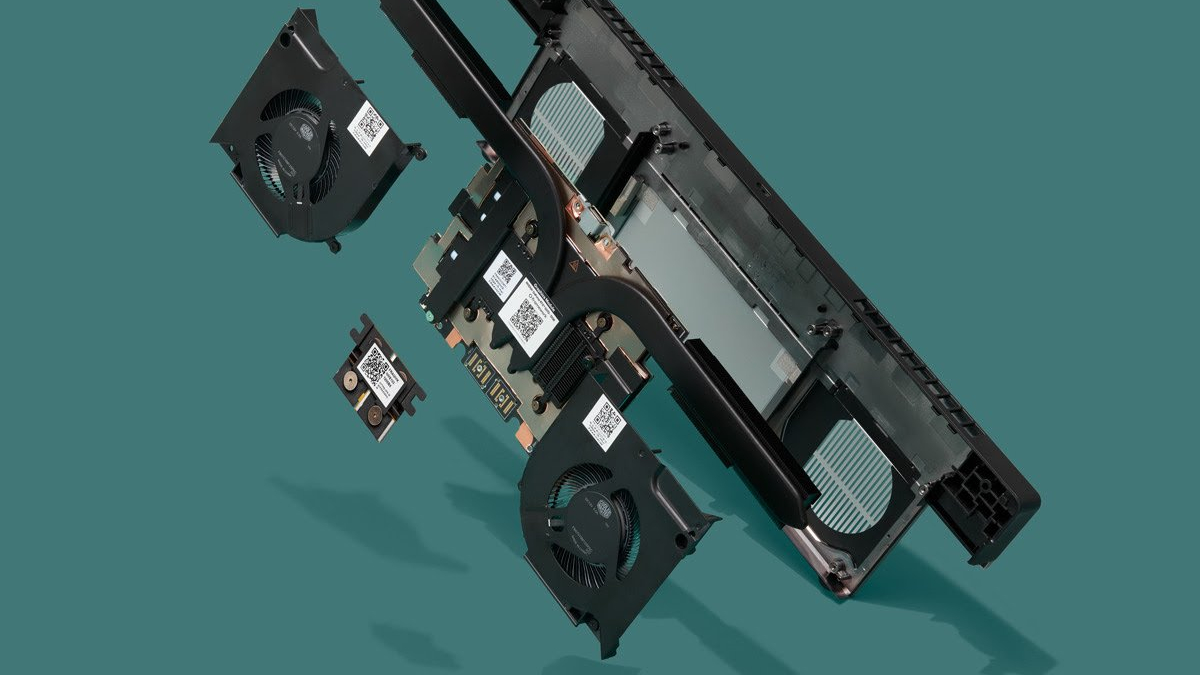
Framework RTX 5070 12GB


Source: tomshardware.com


Source: gentic.news · · author= · citation.json

AI-assisted reporting. Generated by gentic.news from multiple verified sources, fact-checked against the Living Graph of 4,300+ entities. Edited by Ala SMITH.

Following this story?

Get a weekly digest with AI predictions, trends, and analysis — free.

AI Analysis

The 55% price hike on the RTX Pro 6000 is a textbook example of Nvidia's pricing power in a supply-constrained market. The increase is not an outlier — it mirrors the broader trend across Nvidia's GPU lineup, where data-center demand has crowded out workstation and consumer segments. The key structural observation is that Nvidia is effectively using its monopoly on high-bandwidth memory allocation to prioritize data-center margins over workstation affordability. Competitors like AMD and Intel lack the memory supply agreements to challenge Nvidia at this price tier. The fact that partner cards like PNY are priced 14% below Nvidia's own MSRP suggests that Nvidia is leaving room for channel partners while capturing the bulk of the margin. This is a classic monopoly pricing strategy: raise list price, let partners undercut slightly, and capture the delta as profit. The server edition at $14,999 further confirms that Nvidia sees workstation GPUs as a spillover market from data center — not a distinct segment.
Compare side-by-side
Nvidia vs PNY
Enjoyed this article?
Share:

AI Toolslive

Five one-click lenses on this article. Cached for 24h.

Pick a tool above to generate an instant lens on this article.

Related Articles

From the lab

The framework underneath this story

Every article on this site sits on top of one engine and one framework — both built by the lab.

More in Products & Launches

View all