OpenAI has made a strategic investment in Isara, a startup focused on developing large-scale collaborative AI agents, often described as a "bot army." The funding round, led by OpenAI, totals $94 million and values the fledgling company at approximately $650 million. This investment represents a significant bet by OpenAI on the future of multi-agent AI systems capable of parallel problem-solving.
The Deal
The $94 million investment is a Series A round, a substantial early-stage commitment that underscores the perceived potential of Isara's technology. OpenAI is the lead investor, with participation from other, undisclosed venture capital firms. The post-money valuation of $650 million places Isara among the higher-valued AI startups at this stage, reflecting intense investor interest in autonomous agent systems.
What Isara Does
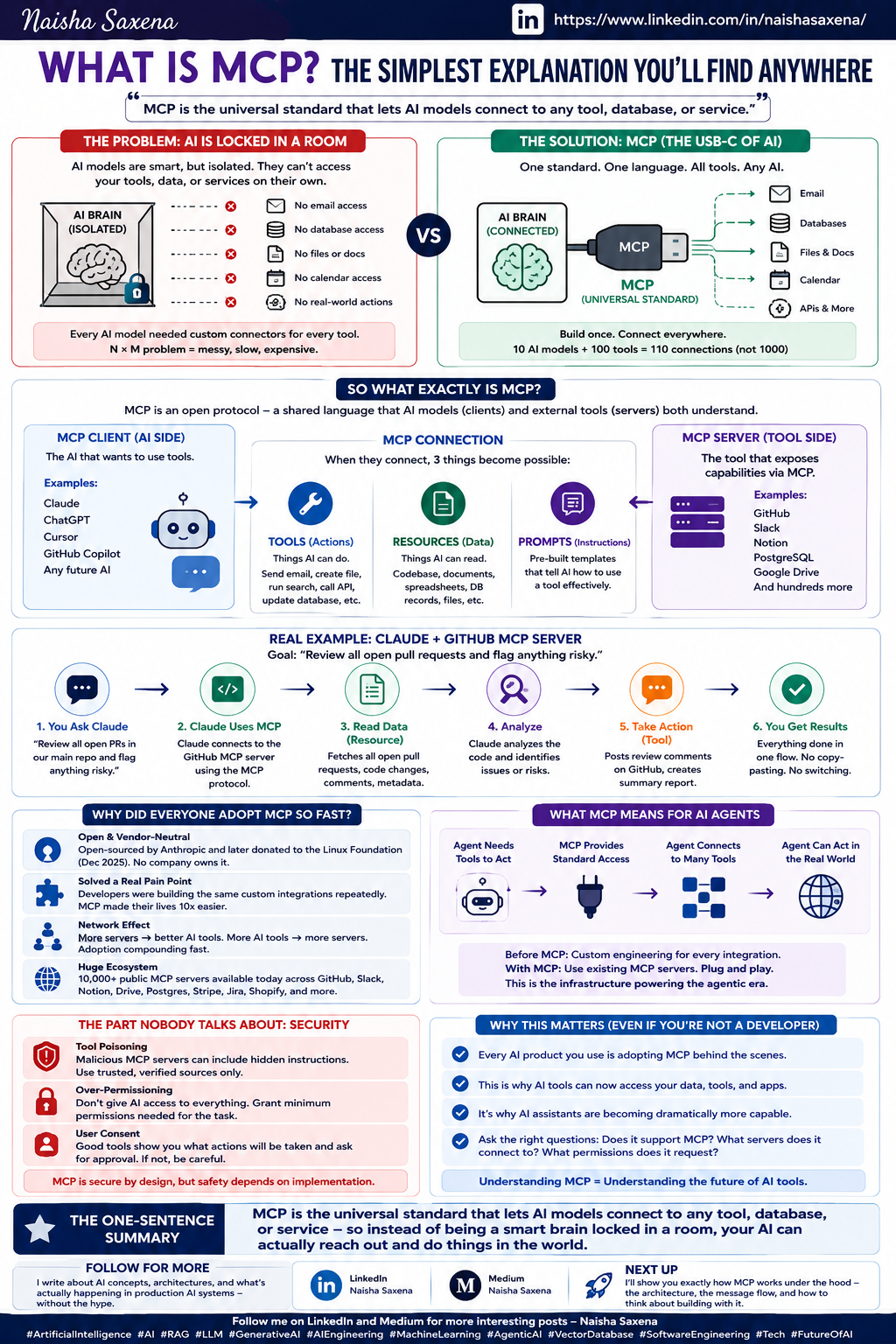
Isara is developing technology centered on creating and orchestrating large numbers of autonomous AI agents that can work together on complex tasks. The core concept, as implied by the "bot army" moniker, is to move beyond single, monolithic AI models and instead deploy swarms of specialized agents that can collaborate, divide labor, and tackle problems in parallel. This approach aims to solve limitations in current AI systems regarding scalability, specialization, and handling multi-step, real-world workflows.
While specific technical details of Isara's platform are not fully public, the company's research direction aligns with a growing industry focus on multi-agent systems and AI automation. The goal is to create systems where different AI agents, potentially with varied capabilities (e.g., research, coding, data analysis, decision-making), can be instantiated, managed, and coordinated to achieve outcomes beyond the reach of a single model.
Market and Strategic Context
This investment occurs within a highly competitive and fast-moving landscape for advanced AI. OpenAI's primary competitors, including Anthropic and Google, are also investing heavily in next-generation AI capabilities. Furthermore, OpenAI's own recent internal shifts provide crucial context.
Just days before this investment was reported, OpenAI redirected its Sora video generation team to focus on world-model research for robotics and renamed its product organization to 'AGI Deployment'. These moves signal a strategic pivot towards more embodied, actionable, and deployable AI systems. Funding Isara fits directly into this new trajectory, providing a potential avenue for deploying autonomous AI agents at scale, which could be a foundational technology for future AGI deployment.
The funding also follows OpenAI's recent expansion of its private funding round by $10 billion, bringing its total raised to over $120 billion. This massive war chest allows OpenAI to not only develop technology in-house but also to make strategic bets on external startups that align with its long-term vision, effectively extending its research and development footprint.
gentic.news Analysis
OpenAI's investment in Isara is not an isolated event but a calculated move within a clear strategic pattern. As noted in our recent coverage, OpenAI has been shifting its commercial focus from general conversational AI to specialized applications and product discovery. The company is also reportedly developing its own autonomous AI researcher system for parallel problem-solving. Funding Isara serves a dual purpose: it is a hedge against internal R&D timelines and an acceleration tool. If Isara's "bot army" approach proves effective, OpenAI gains a strategic partner and potential acquisition target in a critical new domain. If OpenAI's internal multi-agent project advances faster, it can still leverage Isara's insights or integrate its team.
This investment also highlights the escalating arms race in AI infrastructure. The concept of orchestrating swarms of AI agents is a logical evolution beyond today's single-prompt, single-response chat interfaces. It addresses key bottlenecks in automation, such as handling long-horizon tasks, integrating with diverse tools and APIs, and recovering from errors autonomously. Competitors like Anthropic are undoubtedly pursuing similar architectures. By placing a early, expensive bet on Isara, OpenAI is attempting to secure a leadership position in what may become the dominant paradigm for deploying AI in enterprise and research settings.
Furthermore, this aligns with a trend we've tracked where major AI labs are using their capital advantage to shape the ecosystem. Similar to Microsoft's and Amazon's historic investments in OpenAI, OpenAI is now using its financial heft to foster an ecosystem around its stack. Isara's agents will almost certainly be built atop OpenAI's models (like GPT-4o, GPT-5.3, or the rumored 'Spud'), creating deeper lock-in and driving further API consumption. This deal is as much about business model expansion and ecosystem control as it is about pure research advancement.
Frequently Asked Questions
What is an AI "bot army"?
An AI "bot army" refers to a system comprising many autonomous AI agents that can be deployed simultaneously to work on a problem. Instead of one AI model trying to do everything, a central orchestrator manages a swarm of specialized agents that can collaborate, share information, and divide tasks to achieve a complex goal more efficiently and reliably than a single agent could.
Why would OpenAI invest in an external startup instead of building this itself?
OpenAI is likely building similar multi-agent technology internally, as reports indicate. Investing in Isara provides several advantages: it diversifies their approach and hedges technical risk, gives them a window into a different team's methodology, creates a potential future acquisition target, and helps cultivate an external ecosystem that builds on and depends on OpenAI's model APIs.
How does Isara's valuation of $650 million compare to other AI startups?
A $650 million valuation for a Series A startup is exceptionally high, indicating intense investor hype and strategic importance. It reflects the current market's premium for teams and ideas at the frontier of AI agent research. For comparison, other frontier AI science startups, like Periodic Labs, have also been seeking valuations in the multi-billion dollar range despite early stages.
What are the potential applications for this technology?
Potential applications are vast and include large-scale automated software testing and development, parallel scientific research and simulation, enterprise workflow automation across departments, dynamic resource management in cloud computing, and advanced content generation pipelines. The core idea is to automate any process that can be broken down into many interdependent subtasks.