Sam Altman is pushing to take OpenAI public in the fourth quarter of 2026, but the company's own Chief Financial Officer, Sarah Friar, is reportedly skeptical that the AI giant will be ready, according to a report from The Information.
The internal tension highlights the complex financial and operational challenges facing one of the world's most valuable private AI companies as it contemplates a transition to the public markets.
The Internal Divide
According to the reporting, Altman is actively targeting a late-2026 IPO timeline. However, CFO Sarah Friar has privately told colleagues she does not believe the company will be prepared for such a move this year. Her concerns are grounded in three core issues:
- Massive Spending Commitments: OpenAI's operational costs, particularly for compute to train and run large models like GPT-5 and its successors, are enormous and ongoing.
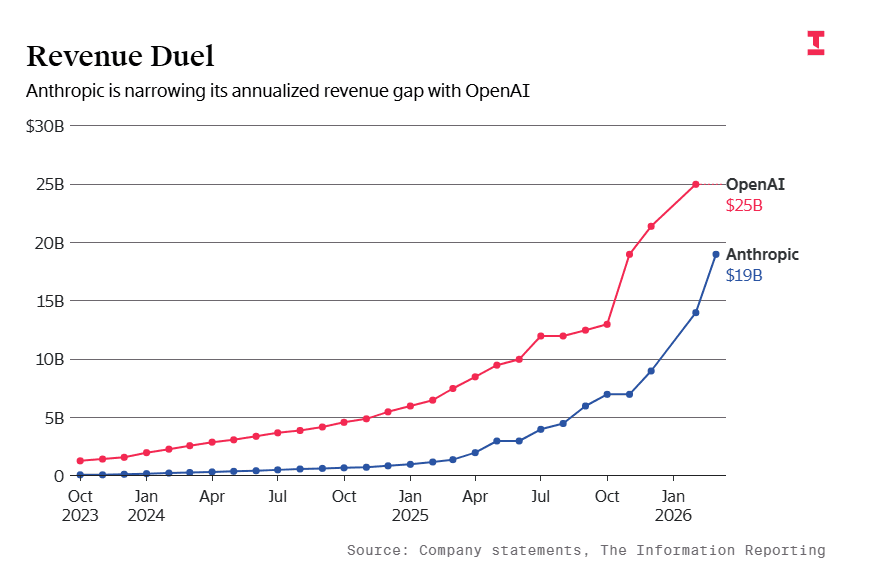
- Slowing Revenue Growth: The company's breakneck revenue expansion from its API and ChatGPT products is reportedly decelerating, a critical metric for public market investors.
- Organizational Readiness: A significant amount of corporate structuring, financial reporting, and governance work remains incomplete for a public company.
The disagreement appears to have led to structural changes and exclusion. Friar was reportedly left out of key financial discussions, including meetings with major investors regarding critical server procurement deals—a core capital expenditure for an AI lab. In an unusual reporting shift, Friar no longer reports directly to CEO Sam Altman. Instead, she now reports to Fidji Simo, the head of applications, which includes products like ChatGPT.
The Public Market Calculus
An OpenAI IPO would be one of the most significant tech public offerings of the decade. The company was valued at over $86 billion in its last secondary share sale. However, the path is fraught with unique challenges:
- Unprecedented Capex: Public investors are accustomed to software margins, not the capital-intensive, hardware-driven economics of frontier AI model development. Articulating a path to sustainable profitability amid continuous, massive spending on NVIDIA GPUs and custom AI chips is a primary hurdle.
- Regulatory & Mission Tension: OpenAI's original capped-profit structure and its safety-focused mission could clash with the quarterly earnings pressure and growth demands of public shareholders.
- Competitive Pressure: The company must demonstrate durable competitive advantages against well-funded rivals like Anthropic, Google DeepMind, and Meta's open-source push, all while revenue growth slows.
The reported sidelining of the CFO on major financial decisions is an atypical red flag for a company nearing a potential IPO, where financial discipline and transparent governance are paramount.
gentic.news Analysis
This internal conflict is a direct manifestation of the fundamental tension between OpenAI's frontier research ambitions and the realities of public market economics. Altman's aggressive timeline suggests a desire to capitalize on the current AI investment fervor and secure a war chest for the coming compute arms race, a trend we've tracked with the surge in AI infrastructure financing. However, Friar's caution reflects the immense operational lift required and the risks of going public before establishing a more predictable financial model.
This follows a pattern of internal restructuring at OpenAI as it scales. The move to have Friar report to Fidji Simo, who runs product, could be an attempt to tighten the link between product monetization (like ChatGPT Plus and Enterprise) and financial planning, a logical step for a company that needs to prove its revenue engine beyond the developer-focused API.
The reported slowdown in revenue growth aligns with broader market saturation for chatbot interfaces and increasing competition in the API layer. It raises a critical question for IPO investors: Is OpenAI primarily a world-changing research organization with a product side-hustle, or is it a product company that does research? The answer dictates its valuation multiple. Friar's concerns suggest the financial organization sees the gaps that must be closed before convincingly telling the latter story to Wall Street.
Frequently Asked Questions
When does Sam Altman want OpenAI to go public?
Sam Altman is reportedly targeting an Initial Public Offering (IPO) for OpenAI as early as the fourth quarter of 2026, which is just over two years from now.
Why is OpenAI's CFO skeptical about a 2026 IPO?
CFO Sarah Friar has expressed private doubts based on three major factors: the company's massive and ongoing spending commitments (especially on AI compute), a noticeable slowdown in its previously rapid revenue growth, and a significant amount of internal organizational and financial reporting work that still needs to be completed to meet public company standards.
What changed in OpenAI's internal reporting structure?
In an unusual shift, CFO Sarah Friar no longer reports directly to CEO Sam Altman. Instead, she now reports to Fidji Simo, the head of applications who oversees products like ChatGPT. This coincides with reports that Friar was excluded from key financial discussions with investors.
What are the biggest challenges for an OpenAI IPO?
The primary challenges include justifying its enormous capital expenditure on AI hardware to public investors used to software profits, reconciling its safety-focused mission with quarterly growth pressures, and demonstrating durable competitive advantage and revenue resilience against rivals like Anthropic and Google in a market where its growth is already slowing.