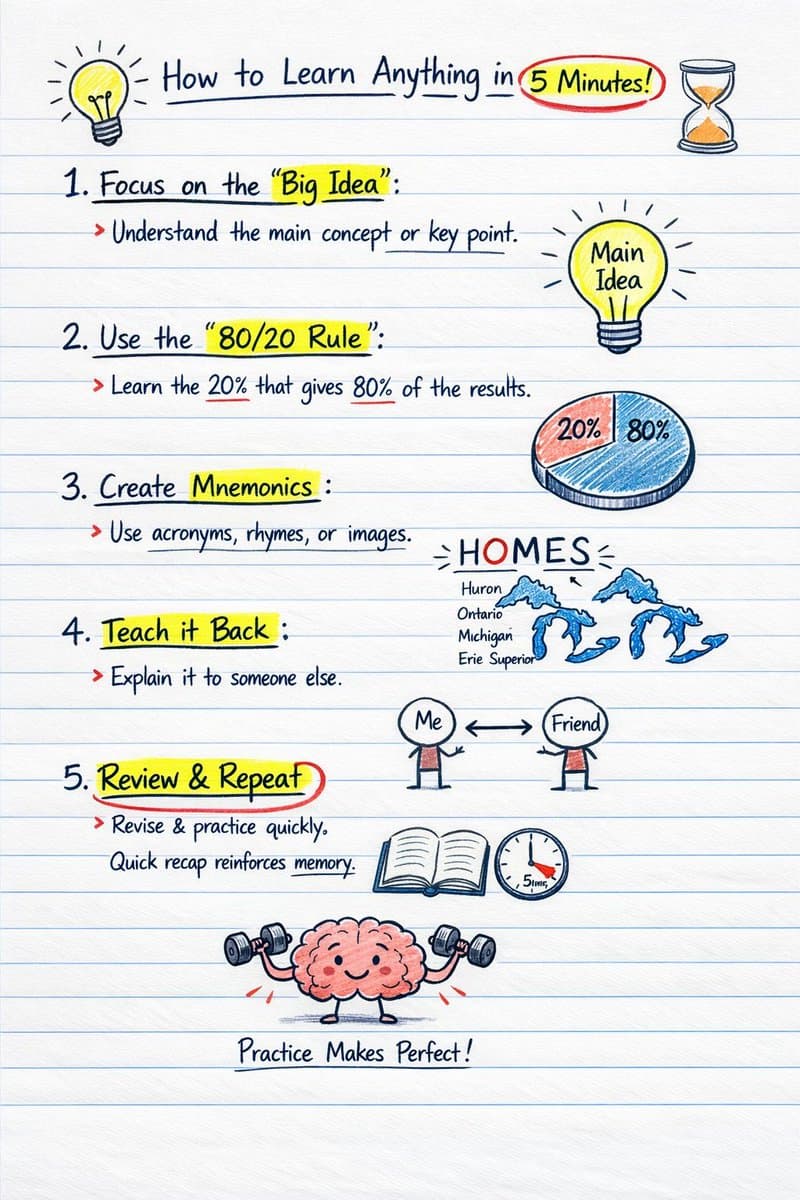
A developer has publicly shared an automation skill built on Ribbi AI that replicates a labor-intensive, multi-app workflow for generating realistic handwritten notes. The creator, sharing the achievement on X (formerly Twitter), stated the manual process previously required 60 minutes and three separate applications. The new automated skill executes the same task through three prompts within Ribbi AI, with the developer claiming the output looks "identical" to the manually created version.
The shared post includes a link to the skill, making it immediately available for others to run. This represents a practical application of AI workflow automation, moving a specialized, time-consuming digital task into a prompt-based interface.
Key Takeaways
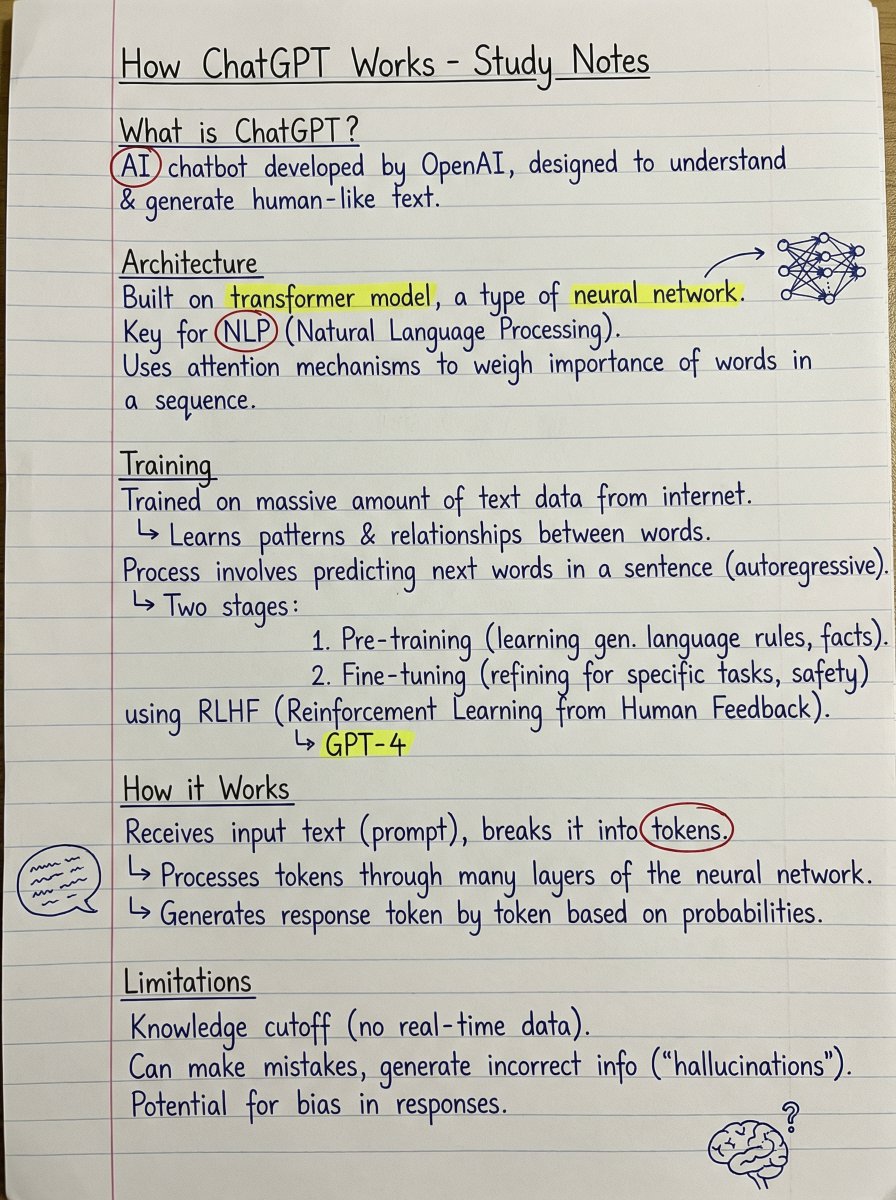
- A developer has automated a complex manual workflow for creating realistic handwritten notes using Ribbi AI.
- The process, which previously took 60 minutes across three apps, is now executed with three prompts, with outputs claimed to be visually identical.
What Happened
The developer, known online as @hasantoxr, described automating a personal "realistic handwritten notes" workflow. The original manual method was a multi-step process involving three different software applications, taking roughly an hour to complete for a single output. The core value was producing digital notes that convincingly mimic the appearance of physical handwriting.
The automation was built using Ribbi AI, a platform that allows users to create and share custom AI skills—essentially reusable, multi-step prompt workflows. The resulting skill condenses the entire hour-long process into a sequence of just three prompts. According to the developer, the final product from the automated skill is visually indistinguishable from the notes created through the manual method.
Context

Ribbi AI positions itself as a tool for building complex AI automations without code. The platform enables the chaining of prompts, integration with various data sources, and conditional logic to create reusable "skills." This case study is a public example of an individual translating a niche, repetitive digital task into a shareable automation, highlighting a trend towards personal productivity automation using LLM-based agents.
The development aligns with a broader movement of professionals and creators using platforms like Ribbi, Zapier with AI, or Make (formerly Integromat) to automate bespoke workflows that fall outside the scope of standard SaaS applications. The focus on "realistic handwritten notes" suggests use cases in digital planning, content creation for social media, educational materials, or personalized digital stationery.
gentic.news Analysis
This is a textbook example of the democratization of process automation moving into highly personalized domains. For years, robotic process automation (RPA) targeted large-scale, repetitive enterprise tasks. Now, with the advent of accessible AI agent platforms like Ribbi, individuals are automating hyper-specific workflows that would never justify a commercial software solution. The value isn't in the notes themselves, but in the template: a user has captured their tacit knowledge—the specific apps, order of operations, and stylistic choices—into a shareable, executable asset.
Technically, the skill likely orchestrates a multi-modal workflow. Generating "realistic" handwriting isn't just about font selection; it involves irregular baselines, pressure variations, and subtle imperfections. The three-prompt structure suggests Ribbi is sequentially handling: 1) Content generation/formatting (structuring the note text), 2) Stylistic transformation (applying a handwriting style or selecting a template), and potentially 3) Post-processing (adding textures, shadows, or layout adjustments). This chaining is the core utility of such platforms—managing the context handoff between specialized steps that would require manual intervention in a traditional app-switching workflow.
From a market perspective, this showcases the product-market fit for vertical AI tools for creators. While general-purpose AI models can write text or generate images, the nuanced demand for "realistic handwritten notes" requires a curated workflow. Ribbi and similar platforms succeed by providing the glue logic, allowing the user to remain the domain expert who defines the steps. The public sharing of the skill also acts as a growth mechanism for the platform, demonstrating concrete utility and building a library of community-generated automations.
Frequently Asked Questions
What is Ribbi AI?
Ribbi AI is a platform that allows users to build, share, and run custom AI skills. These skills are multi-step automated workflows that can chain together prompts, conditional logic, and integrations to complete complex tasks without manual coding.
How does the "realistic handwritten notes" skill work?
While the exact internal prompts are not public, the skill likely automates a three-stage process based on the developer's original manual method. This typically involves generating or importing the note's text content, applying a stylized handwriting transformation (possibly using a dedicated AI model for handwriting generation), and finalizing the layout and appearance to mimic a scanned or photographed physical note.
Can I use this skill myself?
Yes. The developer included a link to the skill in their announcement, implying it is publicly available on the Ribbi AI platform. Users would need access to Ribbi AI to run it.
What are the practical applications for automated handwritten notes?
Use cases include creating personalized digital planners, generating unique visual content for social media or blogs, producing custom learning materials or worksheets, and automating the creation of handwritten-style correspondence for digital invitations or thank-you notes.