The Innovation — What the Source Reports
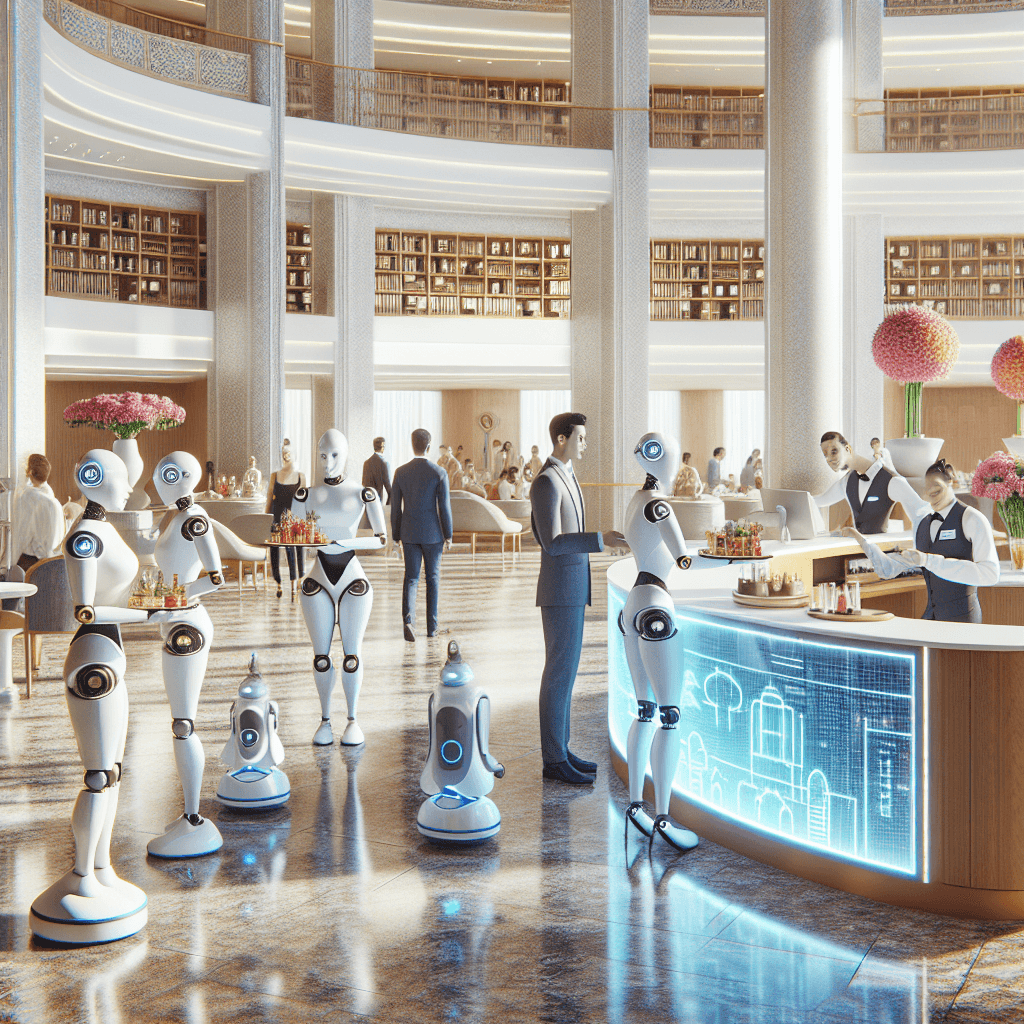
The luxury hospitality group Roseate Hotels is actively integrating robotics into its operations to drive efficiency. This initiative represents a tangible step within the broader luxury sector's accelerating embrace of artificial intelligence. While the specific Google RSS feed summary is brief, the headline clearly indicates a strategic pivot: a luxury hotel brand is leveraging robotics to optimize its service delivery and backend processes.
This development aligns with a visible trend where high-end service providers, from hotels to retail, are exploring automation not to replace human interaction—the cornerstone of luxury—but to augment it. The goal is to automate repetitive, behind-the-scenes tasks, freeing staff to focus on high-touch, personalized guest experiences.
Why This Matters for Luxury Hospitality & Retail
For luxury brands, the calculus around technology adoption is unique. The primary value proposition is exceptional, personalized human service and craftsmanship. Therefore, any technological implementation must be seamless, invisible to the customer where appropriate, and ultimately enhance rather than detract from the brand experience.
Roseate's move signals several key priorities:
- Back-of-House Optimization: The most immediate application for robotics in hotels is in logistics: automated room service delivery (e.g., via autonomous carts), linen and supply handling, and inventory management. This reduces manual labor for staff, minimizes errors, and ensures 24/7 operational capability.
- Consistency and Precision: Robots excel at repetitive tasks with high accuracy. In a luxury context, this could mean perfectly prepared and delivered amenities every time, or meticulous cleaning and restocking protocols, ensuring every guest room meets an exacting standard.
- Data-Enabled Personalization: While the source focuses on robotics, such systems are rarely "dumb" machines. They are typically integrated with property management and customer relationship management (CRM) systems. An autonomous delivery bot isn't just bringing towels; it's fulfilling a guest request logged via an app, feeding data back into the guest's profile to inform future preferences.
Business Impact — Quantifying the Value
While the source does not provide specific ROI metrics, the business case for such automation in luxury is built on several pillars:
- Labor Cost Reallocation: By automating physical logistics, staff hours can be shifted from manual fetching and carrying to guest-facing roles like concierge services, personalized check-in/out, and experience curation. This improves both operational efficiency and potential revenue per employee.
- Asset Utilization: Faster room turnover and more efficient supply chains can increase the usable capacity of the property.
- Brand Reinforcement: Successfully deploying cutting-edge, discreet technology can reinforce a brand's image as innovative and forward-thinking, appealing to a tech-savvy luxury clientele.
- Risk Mitigation: Reducing human traffic for simple deliveries can enhance security and privacy in sensitive areas like guest corridors.
The impact is less about direct headcount reduction and more about elevating the quality and scope of human service through intelligent support systems.
Implementation Approach — Technical and Operational Considerations
Implementing robotics in a luxury environment requires a careful, phased approach:
- Use Case Selection: Start with closed-loop, back-of-house operations with minimal guest interaction (e.g., warehouse to laundry transport). This allows for testing and staff training without impacting the guest experience.
- Integration Ecosystem: The robots must integrate seamlessly with existing hotel software—the Property Management System (PMS), point-of-sale, and staff communication platforms. APIs and middleware are critical.
- Staff Training and Change Management: This is paramount. The narrative must be one of empowerment, not replacement. Staff need training to work alongside robots, manage them, and understand how the technology makes their core roles more valuable and less mundane.
- Guest Experience Design: If and when robots interact with guests (e.g., delivering items to the room), the interaction must be designed. This includes the robot's appearance (should it be branded? discreet?), communication method (a simple screen message?), and clear protocols for human override if a guest needs assistance.
- Infrastructure: Hotels may require minor physical modifications, such as ensuring elevator compatibility, widening certain doorways, or installing charging stations.
Governance & Risk Assessment
For luxury brands, the risks of getting this wrong are significant and go beyond technical failure.
- Brand Dilution Risk: A clumsy or intrusive robotic implementation can make a luxury property feel impersonal or gimmicky. The technology must feel premium and appropriate.
- Privacy and Security: Any autonomous system moving through guest areas must be designed with data privacy and physical security as first principles. Cameras and sensors should be used only for navigation, with data handled under strict protocols.
- Dependency and Reliability: Operations become dependent on the reliability of the robotic fleet and its software. Robust service-level agreements (SLAs) with vendors and having manual fallback procedures are essential.
- Ethical Labor Practices: The luxury sector is particularly sensitive to perceptions of labor treatment. The implementation must be framed and executed as a tool for employee enhancement, clearly communicated to both staff and the public.
The maturity of hospitality robotics is advancing, but it remains an emerging field. Early adopters like Roseate Hotels are navigating the intersection of cutting-edge operational tech with the timeless expectations of luxury service.