Sam Altman Frames AI as a Utility: 'People Will Buy It from Us on a Monthly Subscription'

Sam Altman Frames AI as a Utility: 'People Will Buy It from Us on a Monthly Subscription'

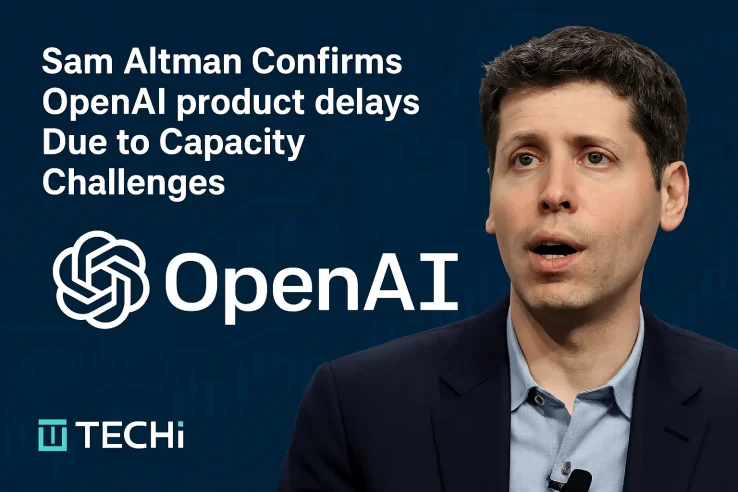
OpenAI CEO Sam Altman described a future where AI intelligence is a ubiquitous, metered utility like electricity or water, purchased via monthly subscription. The brief statement, shared via a retweet, outlines the company's core business vision.

1d ago·2 min read·14 views·via @rohanpaul_ai
Share:

What Happened

In a retweet of his own post, AI researcher Rohan Paul shared a quote attributed to OpenAI CEO Sam Altman. The quote presents a succinct vision for the future of artificial intelligence as a commoditized service.

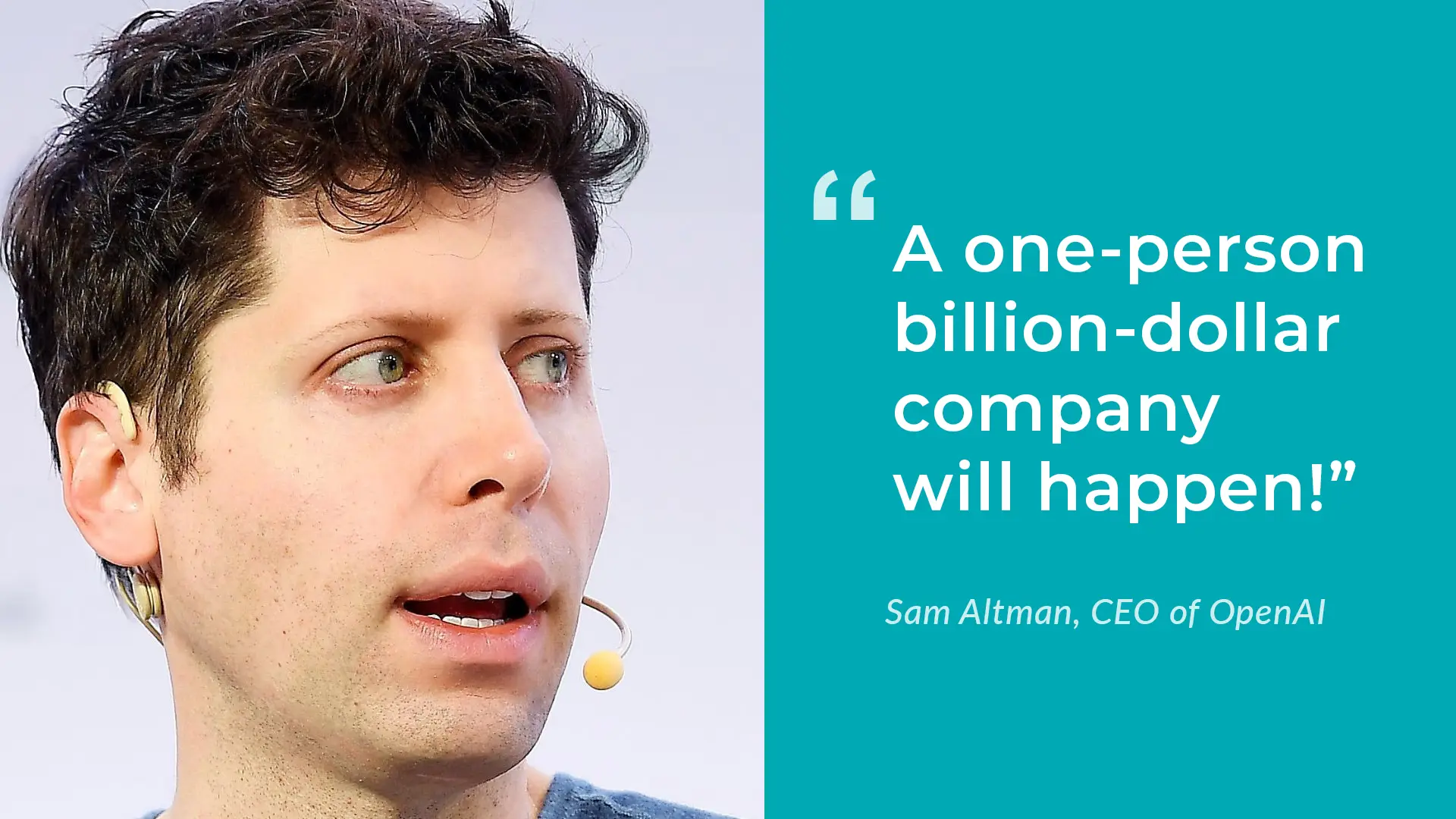
Altman stated: "We see a future where intelligence is a utility, like electricity or water, and people buy it from us on a monthly subscription."

The source is a social media post containing only this statement. No additional context, technical details, product roadmap, or pricing models were provided alongside the quote.

Context

This framing is consistent with Altman's public commentary and OpenAI's strategic direction over the past year. The "utility" analogy has been used by Altman in several interviews to describe the anticipated endpoint of AI development, where advanced models become a foundational, low-cost service integrated into daily life and other products.

The mention of a "monthly subscription" directly aligns with OpenAI's existing business model, centered on its ChatGPT Plus subscription and API usage tiers. It reinforces the company's focus on recurring revenue from both consumers and developers, rather than one-time software sales.

While visionary, the statement is a high-level business metaphor, not an announcement of a new product or a change in current offerings.
AI Analysis

Altman's utility analogy is a strategic narrative, not a technical specification. Its primary function is to shape market expectations and position OpenAI as the default, essential provider of a fundamental service. Technically, achieving true "utility" status requires solving monumental challenges in reliability, cost reduction, and latency that current large language models still face. The gap between today's occasionally erratic, computationally expensive AI and a stable, cheap utility like electricity is vast, involving breakthroughs in inference efficiency, energy consumption, and robustness. For practitioners, the statement underscores the commercial priority of scaling API infrastructure and driving down token cost—the core metrics that would enable a utility model. It signals that OpenAI's R&D roadmaps are likely intensely focused on inference optimization and model distillation, not just on chasing next-generation capabilities. The competitive implication is clear: the race is to become the platform, not just to build the best model. This vision directly challenges the premise of open-source, locally run models, positing that centralized, cloud-based intelligence-as-a-service will be the dominant paradigm.
Original sourcex.com

Trending Now