What Happened
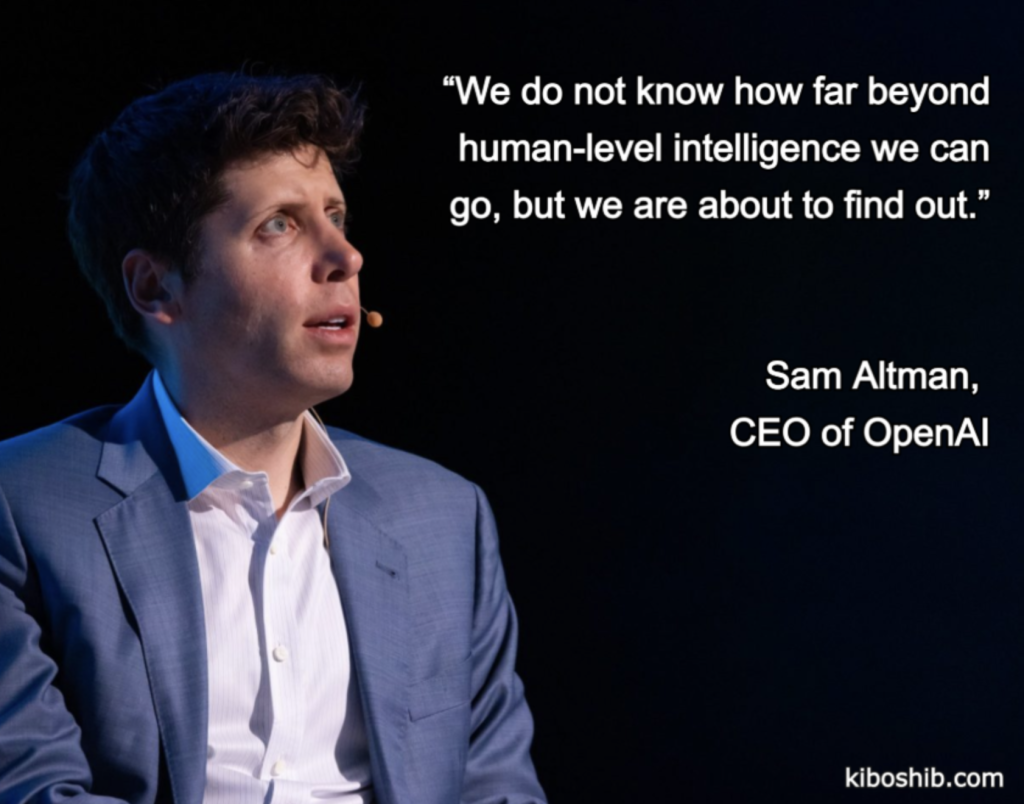
In a public statement, OpenAI CEO Sam Altman issued a direct warning about the pace of artificial intelligence adoption in the United States. According to a post by AI commentator Rohan Pandey (@rohanpaul_ai), Altman's core argument is that the US must speed up AI integration within its business and government sectors or risk losing its economic competitive advantage.
Altman positioned this acceleration not merely as an option but as a "generational opportunity for wealth creation." He simultaneously identified a significant headwind: "negative sentiment regarding data centers and layoffs" which he claims is "currently slowing critical progress." This appears to be a reference to public and regulatory concerns over the energy consumption and environmental impact of large-scale AI compute infrastructure, as well as workforce anxieties about job displacement due to automation.
The statement, delivered at an undisclosed forum or interview, frames the AI adoption race in starkly competitive terms, emphasizing national economic security. A link to the original source (https://t.co/ew36pdmI01) was provided but the content at that endpoint is not detailed in the available source material.
Context
Sam Altman's public advocacy for aggressive AI development and deployment is consistent with his recent activities. As CEO of OpenAI, a leading AI research and deployment company, he has a direct stake in the widespread adoption of the technology. His testimony before US Congressional committees has often centered on the need for the US to maintain a leadership position in AI, albeit balanced with calls for safety regulation.
This specific warning touches on a live tension in the current policy and business landscape. While there is broad agreement among technology leaders on AI's transformative potential, implementation faces practical hurdles:
- Infrastructure Pushback: Large-scale data center projects, essential for training and running advanced AI models, frequently encounter local opposition related to power grid strain, water usage, and community impact.
- Workforce Transition: High-profile layoffs in tech sectors, sometimes linked to AI-driven restructuring, fuel public and political anxiety about economic disruption, potentially leading to calls for slower adoption or protective measures.
Altman's statement suggests he views these concerns as significant enough to materially delay what he sees as an urgent national imperative.