The Innovation — What the Source Reports
A Wall Street Journal article, titled "Smarter Shopping: Forecasting the Future of AI Agents in Retail," examines the next evolution of AI in the consumer space. The report moves beyond today's conversational chatbots and recommendation engines to focus on the rise of autonomous AI agents—software systems capable of perceiving their environment, making independent decisions, and executing multi-step actions to achieve specific goals.
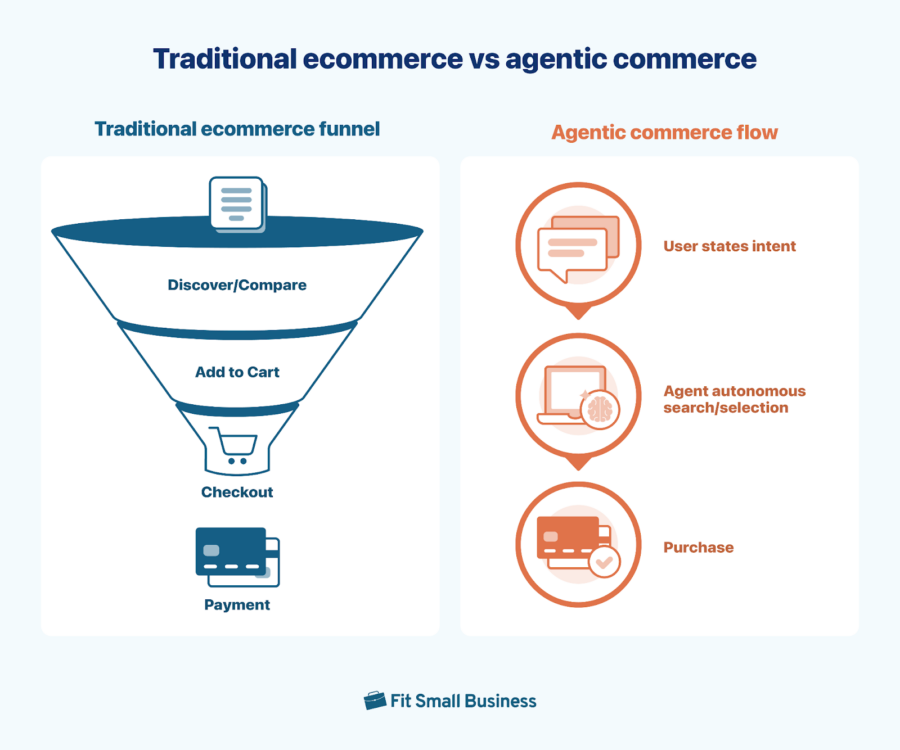
The core thesis is that these agents represent a fundamental shift. Instead of simply answering a customer's question about product availability, an AI agent could autonomously perform a complex task like: researching sustainable winter coats across multiple brands, comparing prices and reviews, checking a user's loyalty points and size preferences, and finally placing an order—all with minimal human intervention.
Context from the Knowledge Graph indicates that the industry is approaching an inflection point. Recent events note that AI agents have crossed a critical reliability threshold, fundamentally transforming their programming capabilities and paving the way for broader deployment. Furthermore, industry leaders are predicting 2026 as a potential breakthrough year for AI agents across all domains, suggesting the retail applications discussed are part of a near-future wave of adoption.
Why This Matters for Retail & Luxury
For luxury and high-end retail, the implications are profound and extend far beyond basic customer service automation.
- Hyper-Personalized Concierge Service: AI agents could act as a 24/7 digital personal shopper for VIP clients. An agent, having learned a client's taste, budget, and past purchases, could proactively source a rare vintage item, coordinate the viewing of a pre-collection, or assemble a complete head-to-toe look for an upcoming event, interacting with brand APIs, inventory systems, and even logistics partners.
- Complex Journey Orchestration: Purchases in this sector often involve lengthy consideration, customization, and after-sales care. An AI agent could manage the entire journey: initiating a design consultation, tracking the progress of a made-to-order item, scheduling fittings, and arranging delivery and installation—providing a seamless, white-glove experience digitally.
- Back-Office and Supply Chain Automation: Agentic AI isn't just customer-facing. Procurement agents could autonomously source sustainable materials by analyzing supplier databases and ESG reports. Merchandising agents could simulate the impact of assortment changes across regions and predict buy quantities with greater accuracy by continuously processing market data.
- Brand Storytelling and Discovery: An agent could guide a customer through a brand's heritage, explaining the craftsmanship behind a specific hand-stitching technique or the inspiration for a new collection, dynamically pulling from archives and content libraries to create an immersive, educational experience that drives emotional connection.
Business Impact
The potential business impact is a step-function improvement in efficiency, loyalty, and revenue.
- Lifetime Value (LTV): By providing an unparalleled, proactive, and deeply personalized service, brands can significantly increase client retention and spending. The agent becomes a trusted advisor, locking in loyalty.
- Operational Efficiency: Automating complex, multi-step tasks frees highly skilled human staff (like personal stylists and client advisors) to focus on the deepest relationship-building and creative aspects of their roles where human touch is irreplaceable.
- New Revenue Streams: Agents could unlock new models, such as subscription-based personal shopping services or dynamic bundling of products and experiences (e.g., "agent, plan a weekend getaway and curate the wardrobe for it").
- Data-Driven Design & Merchandising: The deep, contextual data generated by agent interactions—not just what was bought, but how the decision was made—provides unprecedented insight into consumer desire, informing future design and production.
Implementation Approach
Deploying reliable AI agents is a significant technical undertaking, not merely a plugin.
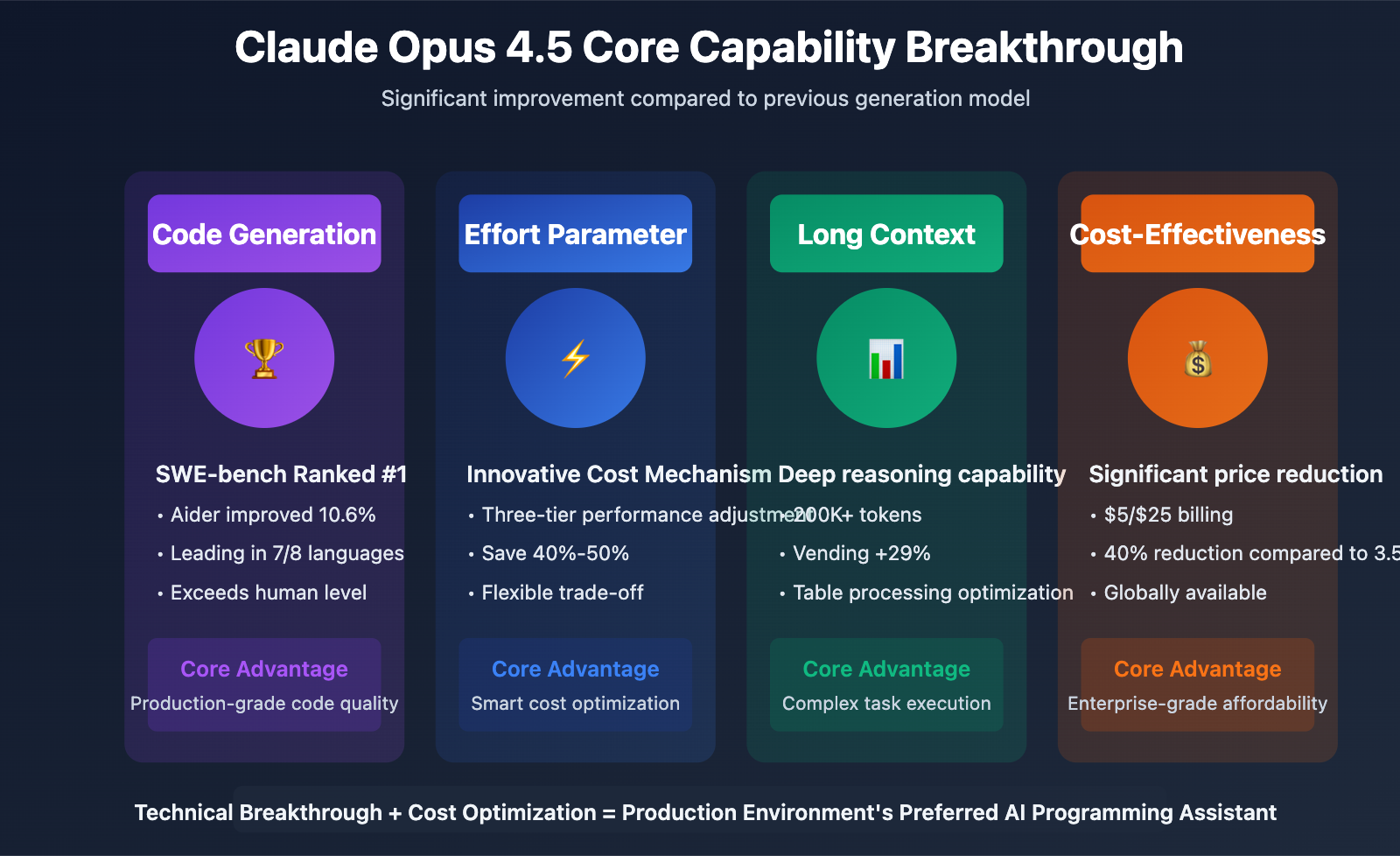
- Foundation Model Selection: The agent's "brain" requires a robust, reasoning-optimized Large Language Model (LLM). Models like Google's Gemini 1.5 Pro or Flash, Anthropic's Claude 3, or OpenAI's o1 series, which are built for complex reasoning and tool use, are likely candidates. The choice balances cost, latency, and reasoning strength.
- Agentic Framework & Tooling: Developers would use frameworks like LangChain, LlamaIndex, or Microsoft's AutoGen to orchestrate the agent's workflow (plan, act, observe). The agent must be equipped with a curated set of tools—APIs to access inventory (ERP), customer profiles (CRM), payment systems, content management systems, and external data sources.
- Orchestration & Safety: A critical layer is the orchestrator that breaks down a high-level goal ("find me an outfit for the Met Gala") into a logical sequence of steps. Guardrails are non-negotiable to prevent harmful actions, ensure brand voice compliance, and manage spending limits. Knowledge Graph context mentions Google's development of an Agent2Agent protocol, hinting at future standardization for secure agent communication.
- Integration Depth: Success depends on deep API integration with core enterprise systems (SAP, Salesforce, etc.) and a unified data layer to give the agent a coherent view of the business and customer.
Governance & Risk Assessment
The power of autonomous agents brings substantial risks that must be governed from day one.
- Brand Safety & Voice: An agent acting erratically or off-brand could cause significant reputational damage. Rigorous testing in sandboxed environments and continuous monitoring for hallucination or tone deviation is essential.
- Privacy & Data Security: These agents will handle extremely sensitive PII and financial data. Implementations must adhere to the highest standards of encryption, access control, and compliance (GDPR, CCPA). Clear data usage policies must be transparent to the customer.
- Bias & Fairness: Agents trained on historical data could perpetuate biases in product recommendation or client service. Regular audits of agent decisions across customer demographics are required.
- Financial Liability: An agent mistakenly ordering 1000 handbags instead of one represents a real financial risk. Systems must have clear authorization limits and require human-in-the-loop checkpoints for high-stakes actions.
- Maturity & Reliability: While a "critical reliability threshold" has been crossed in research, production systems at the scale of a global luxury brand are a different challenge. A phased pilot program, starting with low-risk internal tasks or a limited VIP clientele, is the prudent path to maturity.
The WSJ's forecast highlights that AI in retail is evolving from a tool for insight and simple interaction into an active, participating entity. For luxury brands built on service, story, and exclusivity, mastering this transition—balancing breathtaking potential with meticulous governance—will be a defining competitive edge in the coming decade.