The Technique — Isolate Your MCP Server Testing
If you're building custom Model Context Protocol (MCP) servers for Claude Code, you're probably debugging them wrong. The common workflow—write server code, connect it to Claude Code, see what happens—is like testing a REST API by building the entire frontend first. It adds an unnecessary layer of indirection and makes debugging frustrating.
The correct first step is to use the MCP Inspector, a dedicated debugging UI that connects directly to your MCP server.
Why It Works — Protocol-Level Debugging
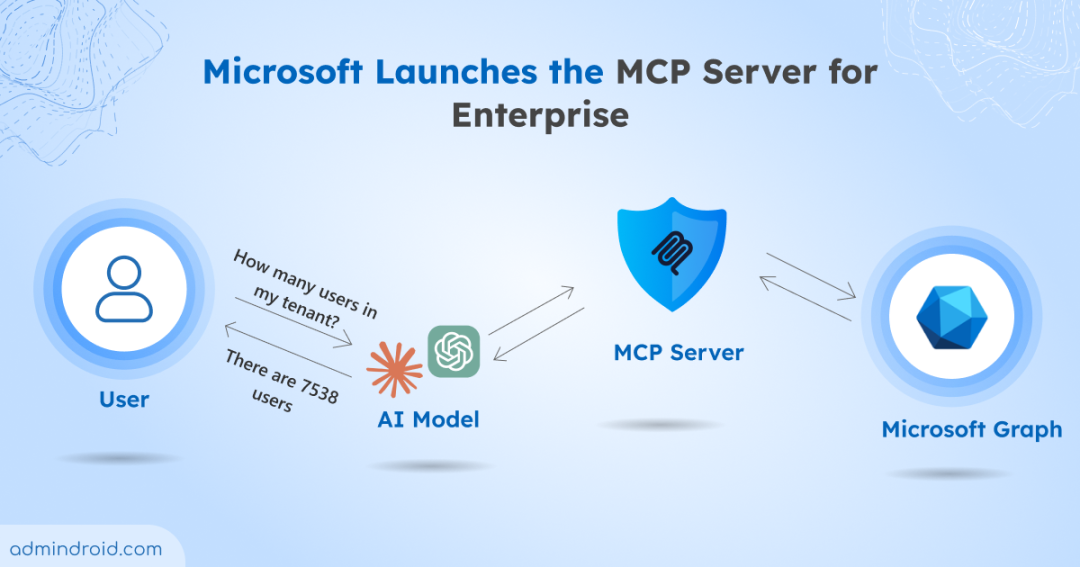
MCP Inspector works at the JSON-RPC protocol level, showing you exactly what Claude Code sees. When Claude Code connects to an MCP server, the flow is:
initialize— handshakeListToolsRequest— Claude asks "what can you do?"CallToolRequest— Claude invokes a specific tool
The ListToolsRequest response contains each tool's name, description, and input schema as JSON. This is what Claude reads to decide when and how to use your tools. Bad descriptions mean Claude misuses your tools. Good descriptions mean Claude picks the right tool at the right time.
By testing with Inspector first, you verify the protocol messages are correct before Claude Code ever sees them.
How To Apply It — Two Simple Commands
For Node.js/TypeScript MCP servers:
npx @modelcontextprotocol/inspector

For Python MCP servers (using the official SDK):
mcp dev mcpserver.py
Both commands launch a web UI on port 6277. The interface has Resources, Prompts, and Tools tabs. Click Connect, then List Tools, pick a tool, fill in arguments, and hit Run. You'll see the raw JSON-RPC request and response.
Writing Better Tool Descriptions
Since Claude Code relies entirely on your tool descriptions, here's how to write them effectively in Python:
from mcp import ClientSession, StdioServerParameters
from mcp.server import Server
import mcp.server.models as models
from pydantic import Field

server = Server("my-server")

@server.list_tools()
async def list_tools() -> list[models.Tool]:
    return [
        models.Tool(
            name="search_codebase",
            description="Search for functions or classes in the current codebase. Use when the user asks about existing code.",
            inputSchema={
                "type": "object",
                "properties": {
                    "query": {
                        "type": "string",
                        "description": "Search term (function name, class name, or keyword)"
                    },
                    "file_pattern": {
                        "type": "string",
                        "description": "Optional file pattern to limit search (e.g., '*.py' or 'src/**/*.ts')"
                    }
                },
                "required": ["query"]
            }
        )
    ]
Key points:
- Be specific about when to use the tool ("Use when the user asks about existing code")
- Parameter descriptions should guide Claude on what values to provide
- Test descriptions in Inspector before connecting to Claude Code
The Development Lifecycle You Should Use
- Write your MCP server code
- Test with
npx @modelcontextprotocol/inspectorormcp dev - Verify tools appear correctly with proper schemas
- Test individual tool calls with sample data
- Only then connect to Claude Code
This follows the release of Claude Code's Auto Mode in March 2026, which increased reliance on well-behaved MCP tools for autonomous operation. With Claude Code now surpassing 100,000 stars on GitHub, the ecosystem of custom MCP servers is growing rapidly—making proper debugging tools essential.
gentic.news Analysis
This debugging approach aligns with our March 25 coverage of "How to Install claude-flow MCP and 3 Skills That Transform Claude Code," which highlighted the growing MCP ecosystem. As Claude Code's usage expands (appearing in 136 articles this week alone), developers are building more custom integrations. The MCP Inspector represents a maturation of the development toolkit, moving from "hack it together" to proper protocol-level debugging.
The timing is significant: Anthropic's recent focus on Claude Code Auto Mode means MCP servers need to be more reliable than ever. When Claude Code operates autonomously, poorly described tools can lead to incorrect actions. Using Inspector ensures your tools communicate their capabilities clearly before Claude Code ever tries to use them.
This also reflects a broader trend in the AI development space: as tools like Claude Code and GitHub Copilot become more integrated into workflows, the infrastructure around them (like MCP) needs professional-grade debugging tools. The fact that this comes from Anthropic's own Academy course suggests they're serious about supporting developers building on their platform.