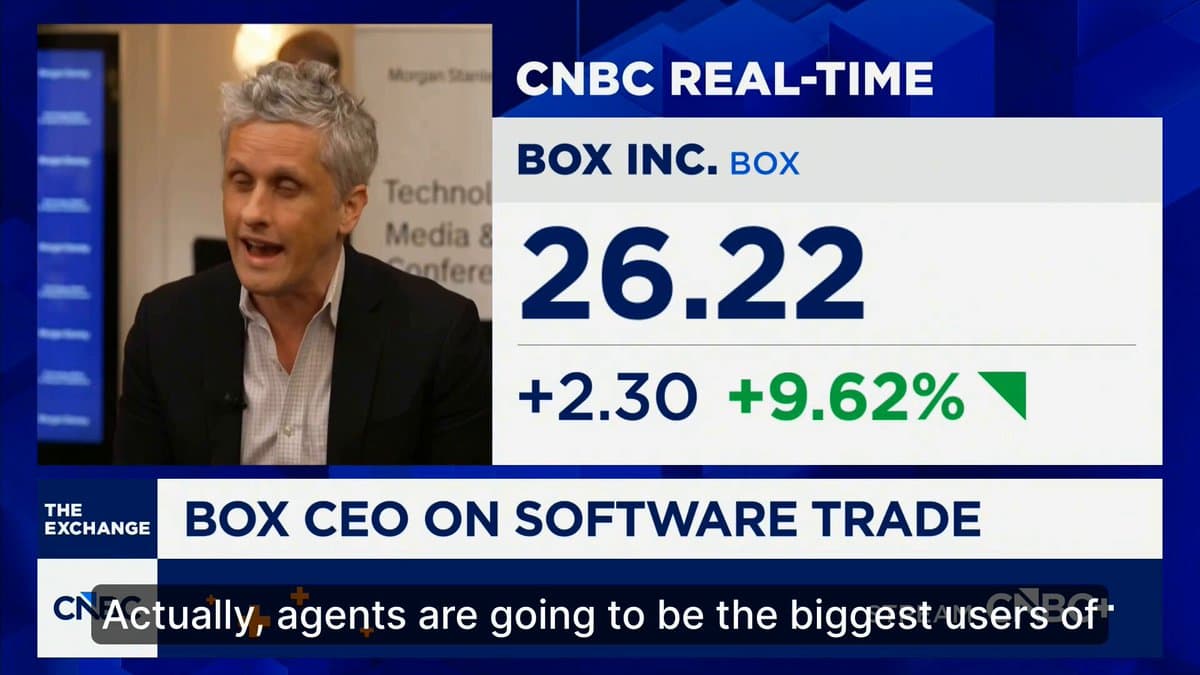
In a recent statement that has reverberated through the enterprise software community, Box CEO Aaron Levie articulated what many industry observers have been sensing: we're witnessing a fundamental shift in how software is used, moving from human operators to AI agents. This transition isn't merely about adding AI features to existing products but requires rethinking the very architecture of enterprise software.
The Human-to-Agent Transition
Levie's observation points to a profound transformation in the software landscape. For decades, enterprise software has been designed with human users at the center—considering human attention spans, cognitive limitations, and interface preferences. The graphical user interface (GUI) revolution of the 1980s and 1990s established paradigms that have dominated software design for generations.
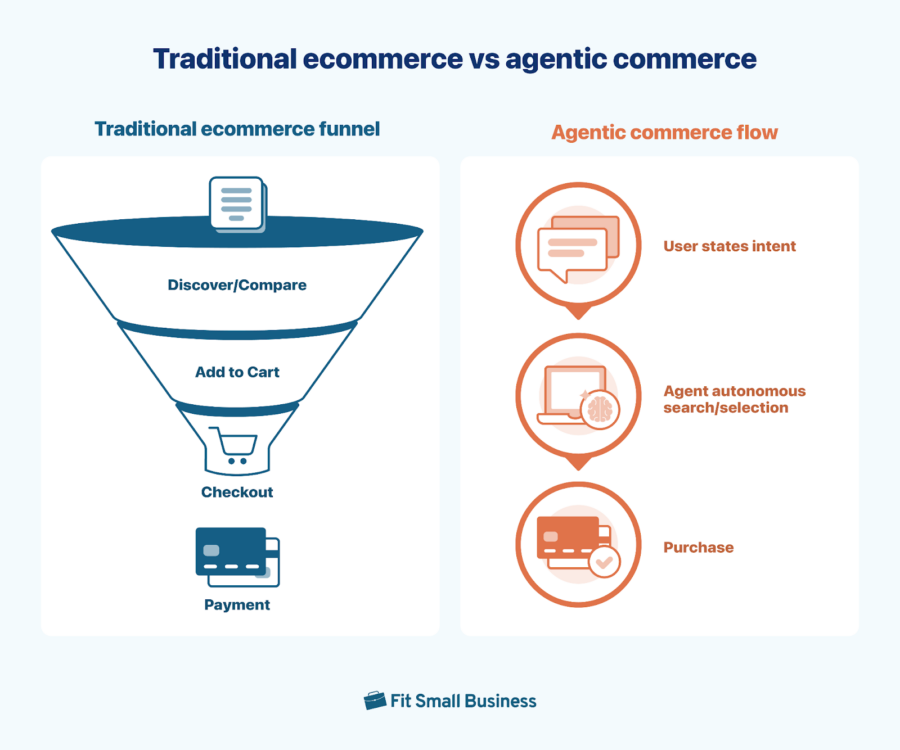
Now, Levie suggests, we're entering an era where AI agents will become the primary users of many software systems. These agents don't need pretty interfaces, intuitive navigation, or visual feedback in the same way humans do. They require structured data access, predictable APIs, and efficient ways to process and manipulate information at scale.
API-First: The New Software Imperative
The most immediate implication of this shift, according to Levie, is the need for "API-first tools." While APIs (Application Programming Interfaces) have been important for software integration for years, they've typically been secondary to human-facing interfaces. In an agent-dominated world, this hierarchy flips.
APIs will become the primary interface for software systems, with human interfaces potentially becoming secondary or even optional for certain workflows. This represents a complete inversion of traditional software design priorities. Companies that built their products around beautiful user interfaces may find themselves at a disadvantage compared to those that prioritized robust, well-documented, and scalable APIs from the beginning.
Agent-Specific File Systems: A New Data Paradigm
Perhaps Levie's most intriguing prediction is the need for "agent-specific file systems." Current file systems and data storage solutions are designed around human organizational patterns—folders, file names, hierarchical structures. AI agents, however, might organize and access information in fundamentally different ways.
An agent-specific file system might prioritize:
- Semantic relationships over hierarchical organization
- Vector embeddings for similarity search
- Metadata-rich structures that agents can query intelligently
- Versioning optimized for agent collaboration rather than human review
This represents a potential revolution in how we think about data storage and retrieval, moving from systems designed for human navigation to systems optimized for machine understanding and manipulation.
The Revenue Model Transformation
Levie's most business-focused insight concerns how this shift will transform SaaS revenue models. "Future SaaS revenue will shift from human-centric UIs to governed API layers for Agent-native workflows," he states.
This suggests several important changes:
1. Pricing by API Usage: Instead of charging per user seat (the dominant SaaS model for decades), companies may increasingly charge based on API calls, compute usage, or data processed—metrics that better reflect value delivered to AI agents.
2. Governance Becomes Critical: As AI agents gain more autonomy in accessing and manipulating data, governance layers become essential. Companies will need sophisticated controls over what agents can do, audit trails of agent activities, and security measures designed for automated rather than human access patterns.
3. New Competitive Dynamics: Companies with strong API ecosystems and governance frameworks may gain significant advantages over those with superior user interfaces but weaker programmatic access.
The Broader Industry Implications
This shift from human to agent users has implications far beyond individual software companies:
Enterprise Architecture: IT departments will need to rethink their entire technology stack, prioritizing API accessibility, data structure optimization for AI, and new security paradigms.
Developer Tools: The tools used to build software will need to evolve, with greater emphasis on API design, agent testing frameworks, and systems for monitoring agent behavior.
Regulatory Compliance: As AI agents handle more sensitive operations, compliance frameworks will need to adapt to address questions of accountability, auditability, and control in agent-driven systems.
Skills Evolution: The most valuable technical skills may shift from UI/UX design to API architecture, data engineering for AI consumption, and agent behavior design.
The Path Forward
For enterprise software companies, Levie's observations suggest several strategic imperatives:
Audit API Capabilities: Companies should critically evaluate whether their current APIs are robust enough to serve as primary interfaces rather than secondary integration points.
Rethink Data Architecture: Organizations need to consider how their data storage and organization might need to evolve to better serve AI agents.
Experiment with Agent-Centric Design: Begin designing workflows specifically for AI agents rather than merely adapting human workflows for automation.
Develop New Metrics: Create ways to measure and value agent usage alongside traditional human engagement metrics.
As Levie's perspective makes clear, we're not just adding AI features to existing software—we're potentially rebuilding the foundation of enterprise software around fundamentally different users with fundamentally different needs. The companies that recognize this shift early and adapt accordingly may define the next era of enterprise technology.
Source: Aaron Levie via @rohanpaul_ai on X/Twitter