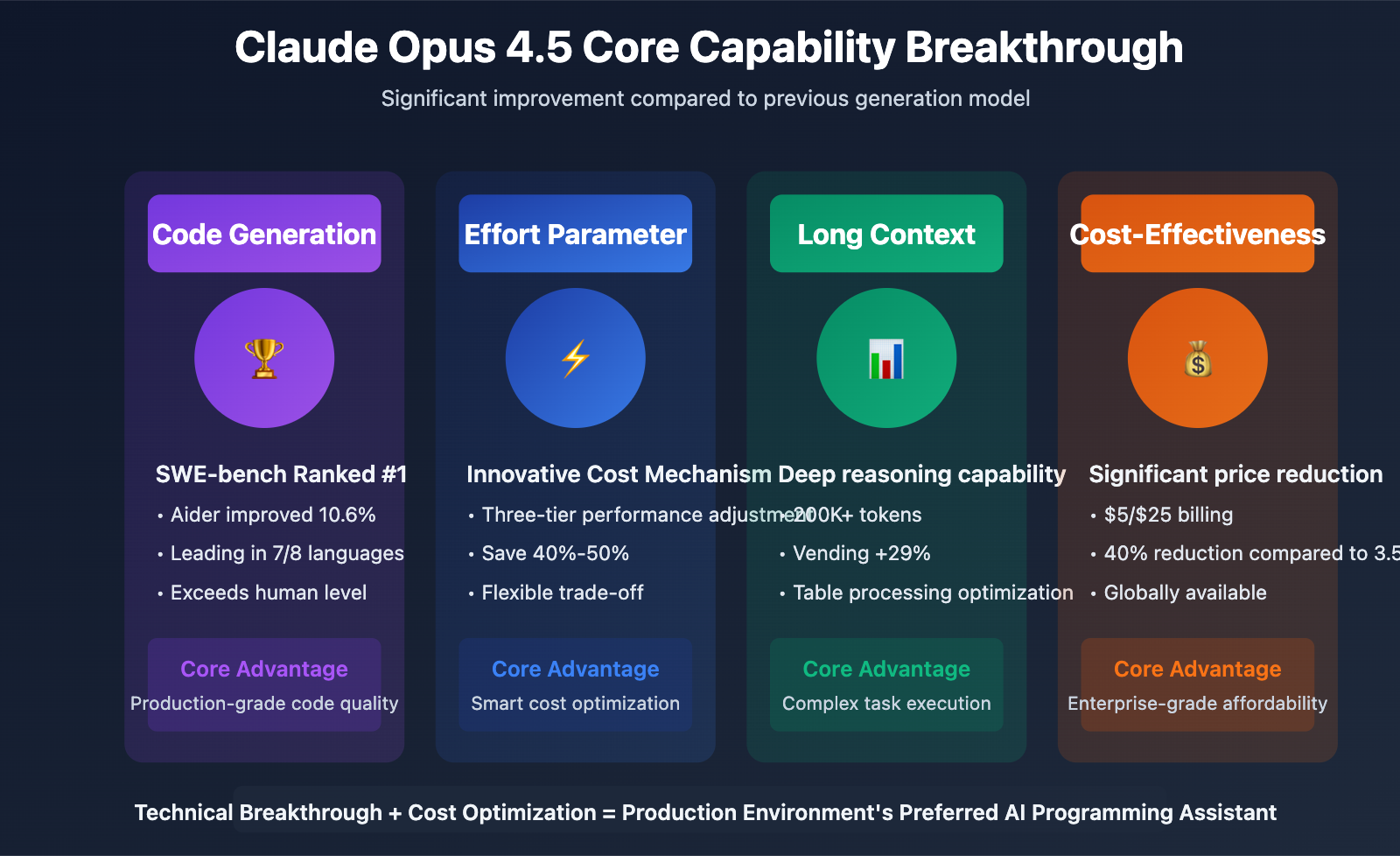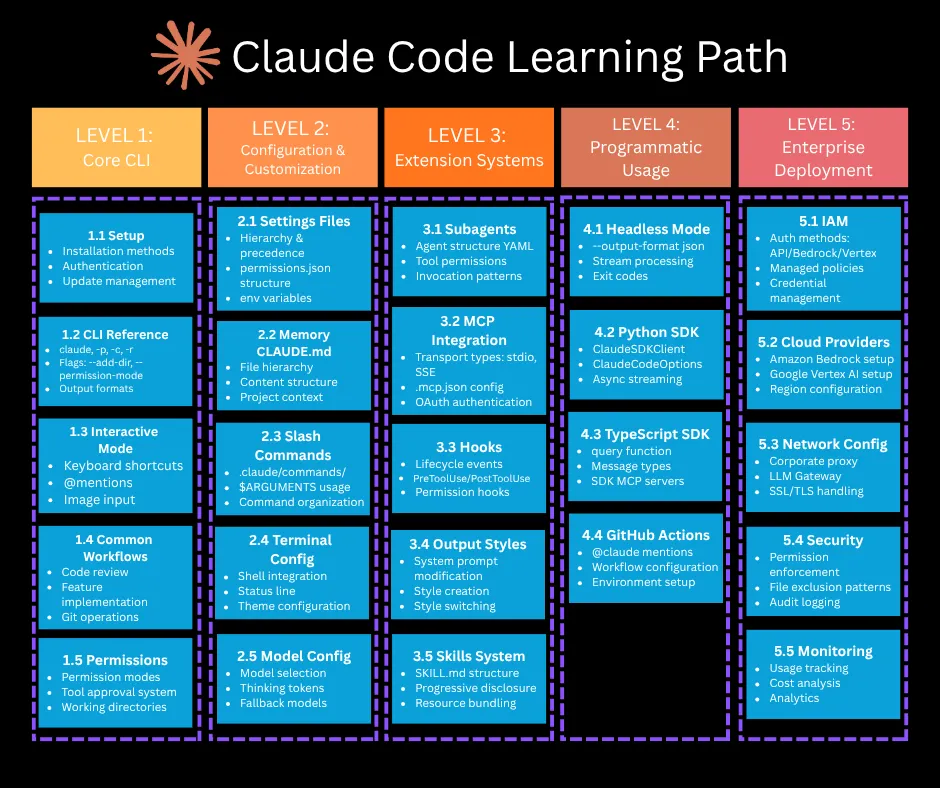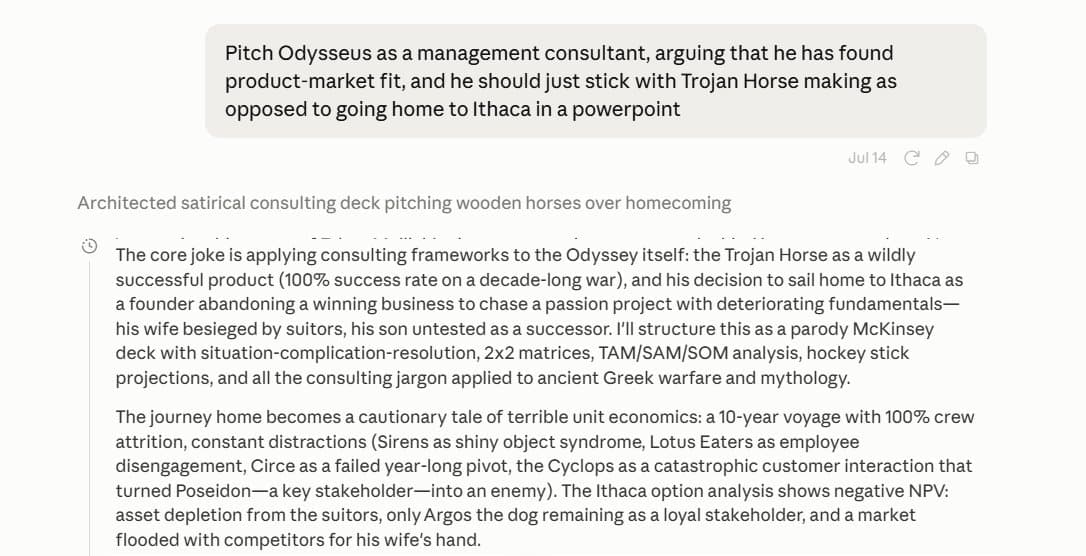
Artificial intelligence is no longer just another technological innovation—it's becoming an existential threat to established business models across the white-collar economy. According to recent analysis, the Software-as-a-Service (SaaS) sector is experiencing particularly dramatic disruption, with investor sentiment shifting dramatically as AI capabilities advance at unprecedented speed.
The SaaS Shakeup
The traditional SaaS model, built on subscription-based access to specialized software tools, is facing what some analysts describe as an "extinction-level event." As noted in recent market observations, SaaS stocks have entered what appears to be a "free fall" as investors recognize that AI-powered solutions can perform many white-collar tasks more efficiently and at lower cost than traditional software platforms.
This disruption follows a historical pattern where investors become nervous when facing truly transformative technological shifts. The current AI revolution appears to be triggering similar concerns, with market valuations reflecting growing uncertainty about which companies will survive the transition and which will be rendered obsolete.
Why SaaS is Particularly Vulnerable
SaaS companies occupy a unique position in the disruption landscape for several reasons:
High Overlap with AI Capabilities: Many SaaS products focus on automating or streamlining knowledge work—precisely the domain where large language models and other AI systems excel.
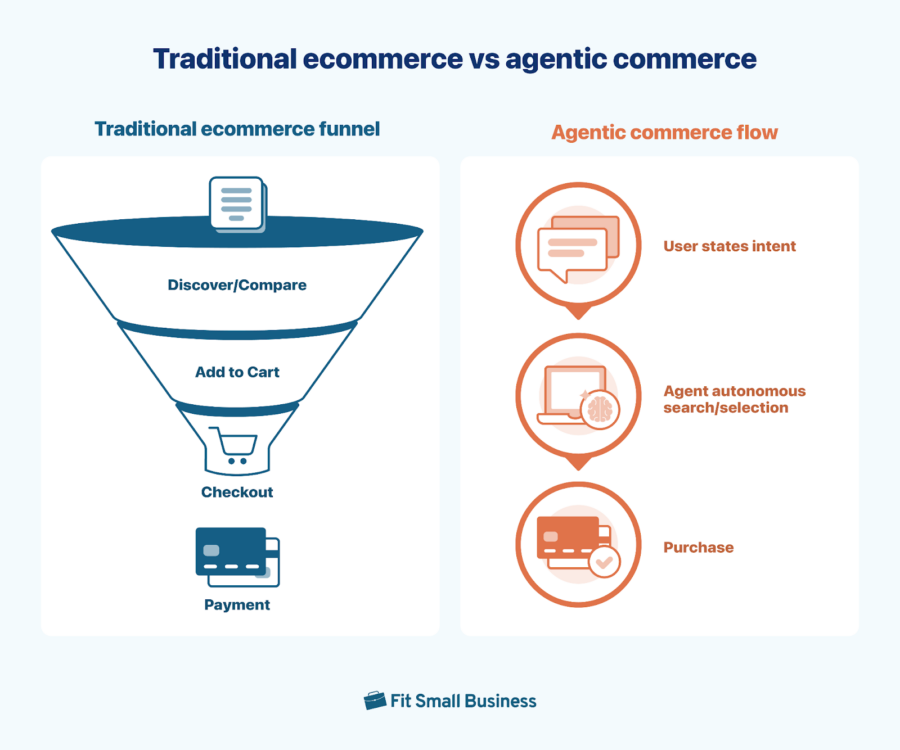
Subscription Model Vulnerability: The recurring revenue model that made SaaS companies attractive to investors becomes a liability when customers can replace multiple subscriptions with a single AI platform.
Feature-Based Competition: Traditional SaaS companies competed by adding features; AI systems compete by understanding intent and generating solutions without predefined features.
The Investor Exodus
Market data reveals a significant shift in investment patterns. Venture capital is increasingly flowing toward AI-native companies rather than traditional SaaS startups. Public market investors are similarly reallocating capital, creating what some describe as a "great rotation" from software to intelligence platforms.
This investor nervousness isn't merely speculative—it's based on observable trends in enterprise adoption. Companies are beginning to consolidate their software spending, replacing multiple specialized tools with comprehensive AI platforms that can handle diverse tasks through natural language interfaces.
Beyond SaaS: The White-Collar Transformation
While SaaS companies face immediate pressure, the disruption extends far beyond software providers. The entire white-collar economy—from marketing and sales to legal services and financial analysis—is being reshaped by AI capabilities that can perform complex cognitive tasks with increasing proficiency.
This represents a fundamental shift in how knowledge work is organized and valued. Where previously specialized software and human expertise created competitive advantages, AI is democratizing access to sophisticated analytical and creative capabilities.
The Future of Software
The question facing the industry isn't whether AI will disrupt SaaS, but what form the post-disruption landscape will take. Several scenarios are emerging:
- AI-Augmented SaaS: Traditional software companies integrating AI capabilities to enhance their offerings
- AI-Native Platforms: Completely new categories of software built from the ground up around AI capabilities
- Vertical AI Solutions: Industry-specific AI tools that replace multiple horizontal SaaS products
- Enterprise AI Operating Systems: Comprehensive platforms that serve as central intelligence hubs for organizations
Adaptation Strategies
For SaaS companies facing this disruption, several adaptation strategies are emerging:
- Accelerated AI Integration: Rapidly incorporating AI features into existing products
- Business Model Evolution: Moving from pure software to AI-as-a-service or outcome-based pricing
- Strategic Partnerships: Aligning with AI platform providers rather than competing directly
- Specialization: Focusing on domains where deep industry knowledge provides defensible advantages
The Broader Economic Implications
The AI disruption of SaaS represents just one facet of a larger economic transformation. As AI capabilities continue to advance, we're likely to see similar disruption across other sectors of the knowledge economy. This transition period creates both significant challenges and unprecedented opportunities for innovation.
What makes the current moment particularly significant is the speed of change. Previous technological revolutions unfolded over decades; the AI transformation of knowledge work is occurring within years, forcing companies and investors to make rapid adjustments to their strategies and expectations.
Source: Analysis based on market observations from @kimmonismus and related coverage of AI's impact on SaaS and white-collar sectors.