We stand at a pivotal moment in technological history where the line between human and artificial expression is becoming increasingly difficult to discern. As AI researcher Hasaan Ali recently observed, "We are entering a time when it may be hard to tell what is real and what is made by AI." This statement captures the essence of a profound shift occurring across multiple domains of artificial intelligence, particularly in the development of hyper-realistic AI avatars capable of mimicking human behavior with unprecedented fidelity.
The Evolution of Synthetic Personas
AI avatars represent the convergence of several advanced technologies: natural language processing, computer vision, speech synthesis, and emotional intelligence algorithms. What began as primitive chatbots with canned responses has evolved into sophisticated systems that can analyze and replicate the subtle nuances of human communication. Today's most advanced avatars don't just speak words—they capture the cadence of speech, the micro-expressions that flash across a face in milliseconds, the unconscious gestures that accompany conversation, and the unique vocal tics that make each person's communication style distinctive.
These systems work by training on massive datasets of human behavior, learning patterns that most people wouldn't consciously notice but that our brains rely on to establish authenticity. The result is what researchers call "behavioral synthesis"—the artificial generation of human-like actions and reactions that feel genuine because they follow the statistical patterns of actual human behavior.
Technical Breakthroughs Driving Realism
Several key developments have accelerated this trend. Generative adversarial networks (GANs) have dramatically improved visual realism, creating faces that don't just look human but express human emotions convincingly. Speech synthesis has moved beyond robotic monotones to capture the musicality of human speech—the rises and falls, the pauses, the breath sounds that make speech feel alive. Perhaps most significantly, multimodal AI systems can now coordinate facial expressions with speech content and emotional tone, creating the illusion of a thinking, feeling entity behind the digital mask.
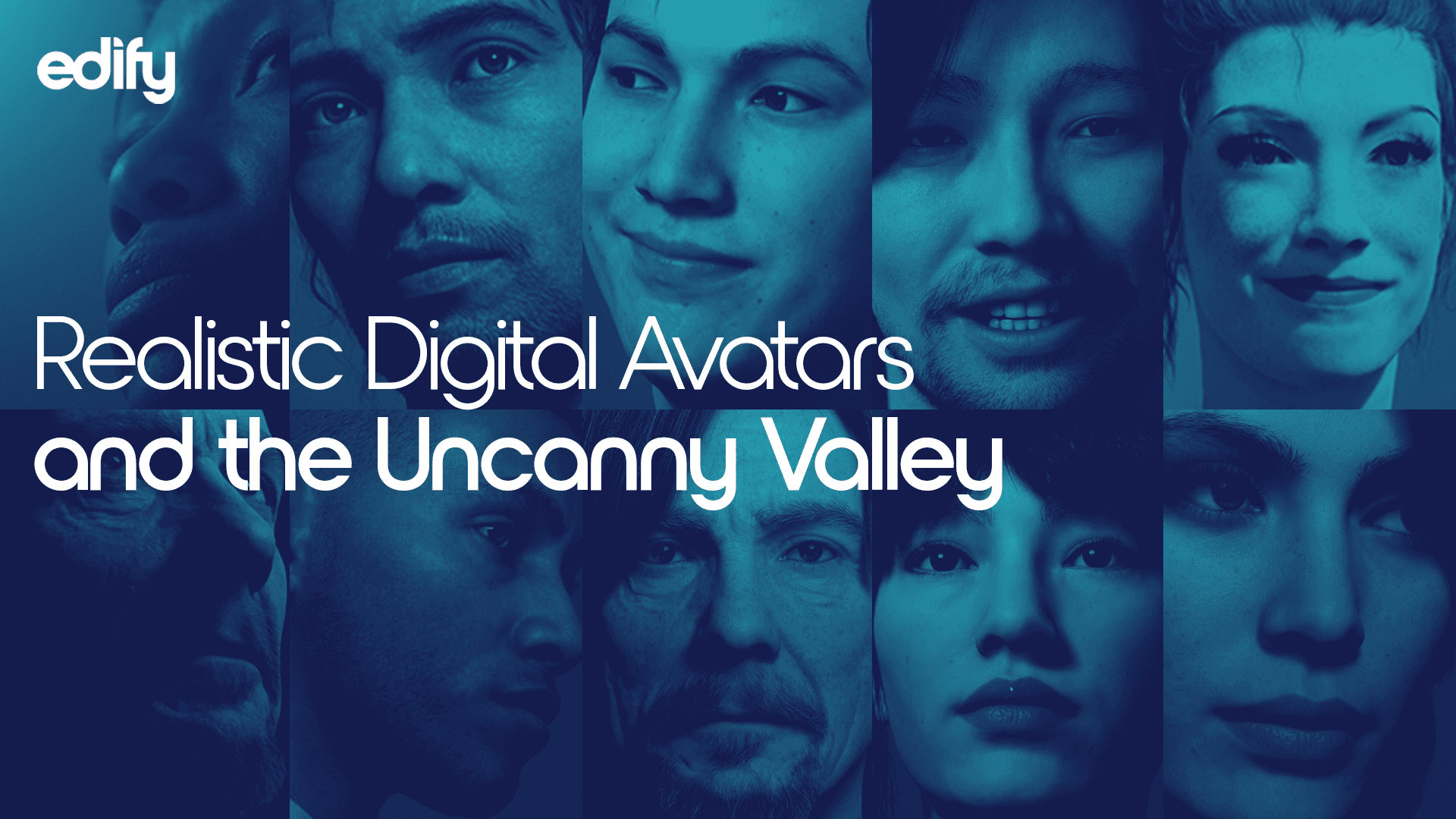
Recent demonstrations show avatars that can maintain eye contact appropriately, nod at the right moments in conversation, and even exhibit the slight asymmetries that characterize genuine human faces rather than perfect symmetry that feels artificial. These details, while seemingly minor, are crucial to bypassing our innate "uncanny valley" response—the discomfort we feel when something looks almost human but not quite.
The Double-Edged Sword of Perfect Mimicry
The implications of this technology are simultaneously exciting and alarming. On the positive side, hyper-realistic avatars could revolutionize education through personalized AI tutors that adapt to each student's learning style, provide therapeutic support through empathetic digital counselors available 24/7, or preserve cultural knowledge by creating interactive versions of historical figures. They could make digital interfaces more intuitive and accessible, particularly for those who struggle with traditional computer interactions.
However, the darker applications are equally apparent. As Ali notes, "Now imagine AI avatars that can say anything we tell them to say." This capability opens the door to unprecedented forms of misinformation and manipulation. Political figures could be made to say things they never said. Corporate executives could appear to make announcements they never made. Ordinary people could be impersonated in compromising situations. The technology essentially provides a perfect tool for manufacturing consent, creating false witnesses, and eroding the very concept of reliable evidence.
The Authentication Crisis
We're approaching what might be called an "authentication crisis"—a point where our traditional methods for verifying truth become inadequate. For centuries, we've relied on various forms of evidence: photographs, video recordings, audio tapes, and eyewitness testimony. Each of these verification methods is now vulnerable to AI manipulation. Deepfakes have already demonstrated how video evidence can be fabricated. Voice cloning technology has shown how audio can be forged. Now, with fully embodied AI avatars, we face the prospect of synthetic beings that can pass visual, auditory, and behavioral scrutiny simultaneously.
This creates a paradoxical situation: as AI becomes better at mimicking reality, we may need to become more skeptical of reality itself. The default assumption might shift from "seeing is believing" to "seeing requires verification." This represents a fundamental change in how humans process information and establish trust.
Societal and Psychological Impacts
The psychological effects of this technological shift warrant serious consideration. Human beings are evolutionarily wired to respond to faces and voices as signals of consciousness and intention. When these signals can be manufactured at scale, our social instincts become vulnerabilities. The constant uncertainty about whether we're interacting with a human or an AI could lead to what psychologists call "reality fatigue"—a state of chronic skepticism that makes genuine connection more difficult.
Social media platforms, already struggling with misinformation, face an existential challenge. If anyone can create convincing AI personas, how do we maintain any sense of authentic community online? The very concept of digital identity may need to be rethought, with verified human status becoming a premium feature rather than a default assumption.
Regulatory and Ethical Frontiers
This technology arrives at a time when regulatory frameworks are already struggling to keep pace with AI development. Current laws around fraud, defamation, and impersonation may prove inadequate when the impersonator isn't a human but an algorithm. New legal categories may be needed to address synthetic media and digital identity theft.
Ethical guidelines for AI avatar development are urgently needed. Should there be mandatory disclosure when an avatar is not human? What rights do people have regarding the use of their likeness in AI systems? How do we prevent this technology from becoming another tool for amplifying existing inequalities and power imbalances?
The Path Forward: Verification Technologies
In response to these challenges, researchers are developing counter-technologies focused on authentication and verification. Digital watermarking for AI-generated content, blockchain-based provenance tracking, and AI detection algorithms represent promising approaches. However, this creates an arms race between creation and detection technologies, with no guarantee that verification methods will keep pace with synthesis capabilities.
Perhaps the most sustainable solution involves cultural and educational adaptation. Just as previous generations learned media literacy to navigate television and internet content, future generations may need "AI literacy"—the skills to critically evaluate digital content and understand the capabilities and limitations of synthetic media.
Conclusion: Redefining Reality in the AI Age
We stand at the threshold of a new relationship with reality itself. AI avatars that perfectly mimic human expression represent more than just a technical achievement—they challenge fundamental assumptions about authenticity, identity, and truth. As this technology continues to develop, we must engage in proactive conversations about its governance, develop new frameworks for digital trust, and reconsider what it means to be human in an age of perfect synthetic counterparts.
The coming years will determine whether this technology becomes a tool for human enhancement and connection or a weapon for deception and manipulation. The choice isn't just technological—it's deeply human, requiring wisdom, ethics, and foresight as we navigate this uncharted territory where the real and the artificial become increasingly indistinguishable.