Virginia Beach council members proposed a ban on new hyperscale data centers, citing strain on power grids, water resources, and noise pollution. The resolution targets facilities exceeding 100,000 square feet or 50 MW of power capacity.
Key facts
- Proposed ban targets facilities >100,000 sq ft or >50 MW.
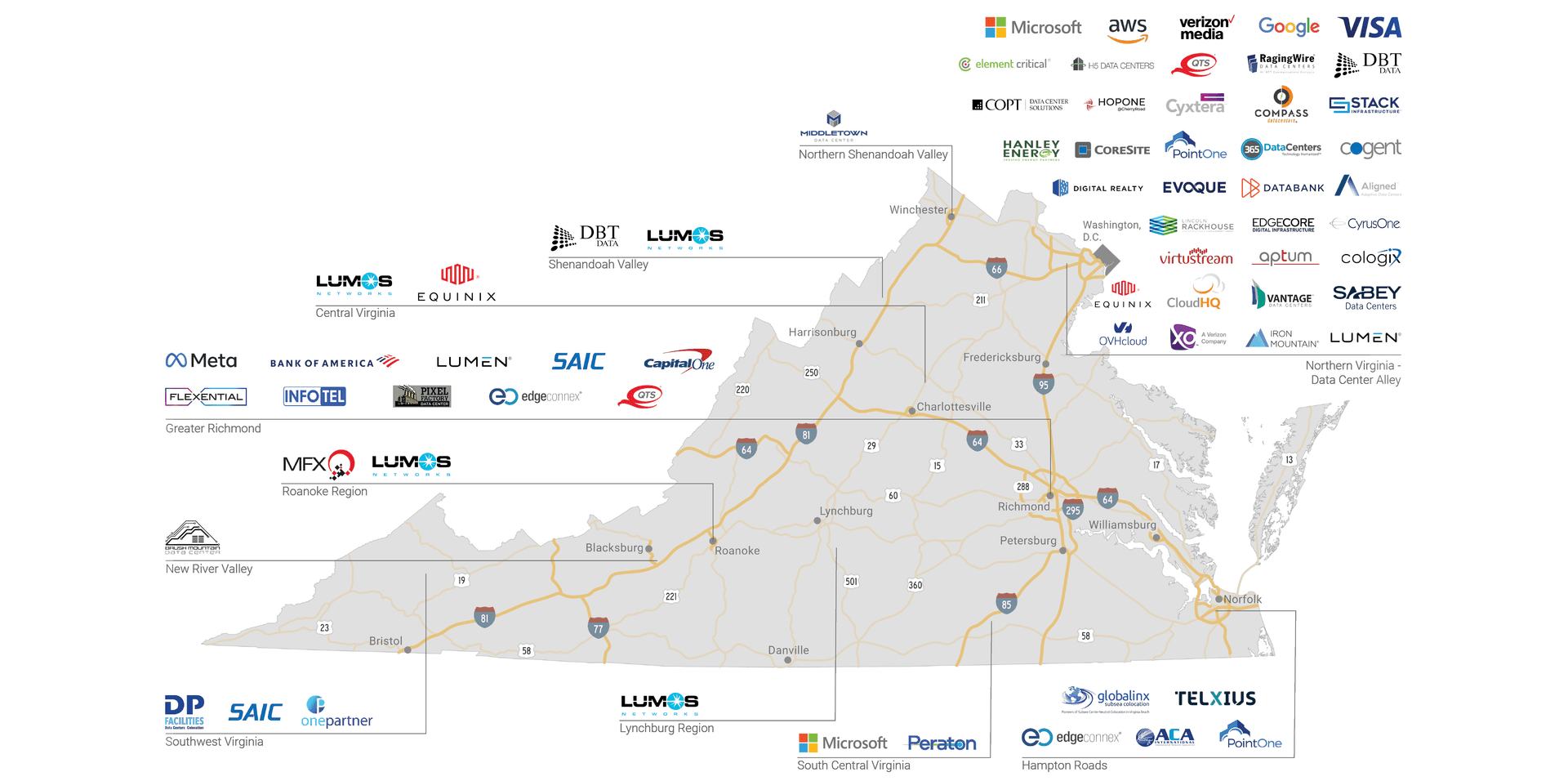
- Virginia hosts world's largest data center concentration in Loudoun County.
- Vermont blocked a similar AI data center bill in June 2026.
- Global AI infrastructure spending hit ~$150B in 2026.
- Ban exempts existing data centers and smaller facilities.
A group of Virginia Beach city council members is pushing to ban new hyperscale data centers within city limits, according to a report from 13newsnow.com. The proposed resolution targets facilities exceeding 100,000 square feet or drawing more than 50 megawatts of power — exactly the kind of infrastructure AI companies like Google, Microsoft, and Amazon are racing to build.
Why Virginia Beach matters
Virginia hosts the world's largest concentration of data centers in Loudoun County, but that boom has brought backlash. Residents complain about noise from backup generators, water consumption for cooling, and strain on an already taxed power grid. Virginia Beach, a coastal city with a population of about 450,000, now faces similar pressure as developers eye its available land and proximity to undersea cable landings.
The scope of the ban
The resolution would apply only to new construction of hyperscale facilities. Existing data centers and smaller installations under the 100,000-square-foot or 50 MW thresholds would be exempt. The council has not yet set a vote date, but the proposal has drawn support from several members and opposition from economic development officials who argue data centers bring jobs and tax revenue.
Broader trend of local pushback
This is not an isolated event. In June 2026, Vermont blocked a bill that would have restricted AI data center development, while other localities in Northern Virginia have imposed moratoriums on new construction pending grid capacity studies. The Virginia Beach proposal reflects a growing pattern: as AI infrastructure spending hit an estimated $150 billion globally in 2026, local governments are increasingly skeptical of the trade-offs. According to the source, the council members' primary concerns are noise, water usage, and the visual impact of large facilities in residential areas.
What to watch
Watch for the Virginia Beach council vote date, expected within 60 days. If passed, it could set a precedent for other coastal Virginia cities and intensify lobbying by data center developers. Also track Loudoun County's grid capacity studies — similar moratoriums could follow.
Source: news.google.com
[Updated 12 Jun via dcd_news]
Private equity giant KKR launched Helix Digital Infrastructure with a $10 billion commitment to build hyperscale data centers, led by former AWS CEO Adam Selipsky [per Data Center Dynamics]. The new platform aims to secure dedicated power for large-scale facilities, directly countering local moratoriums like Virginia Beach's proposed ban. Helix will focus on sites with pre-negotiated grid capacity, potentially bypassing cities that restrict new construction.