Key Takeaways
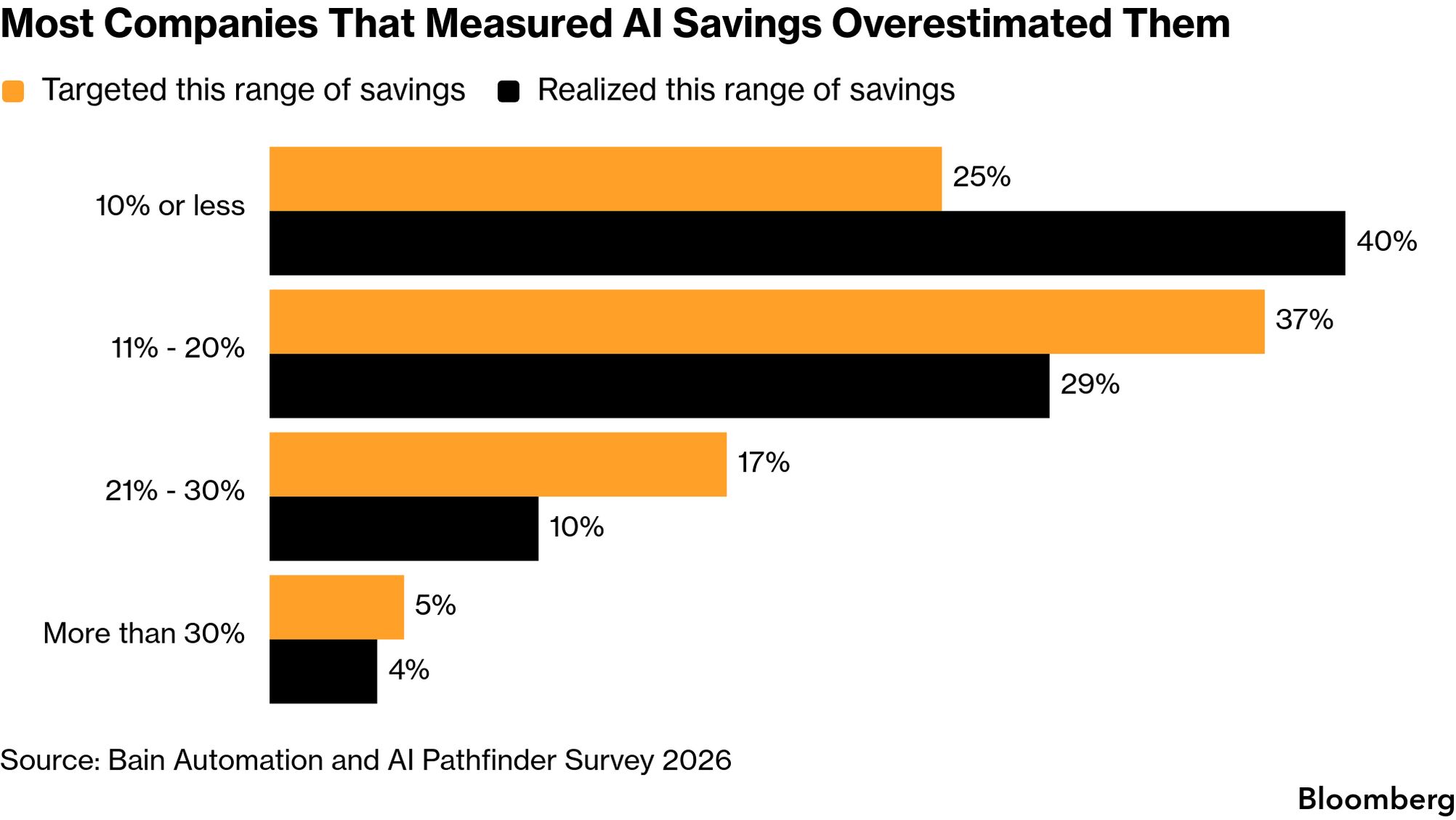
- Bain & Company reports that AI is now a top priority for an increasing number of luxury houses, signaling a major strategic shift.
- This matters as luxury brands move to integrate AI for personalization, operations, and customer experience.
What Happened
A new report from Bain & Company reveals that artificial intelligence has ascended to the top of the strategic agenda for a growing number of luxury houses. The finding, reported by Consulting.us, marks a significant inflection point for an industry historically cautious about technology adoption.
Bain's analysis suggests that luxury brands are moving beyond experimental AI pilots toward full-scale integration, recognizing AI as a critical lever for competitive advantage in personalization, supply chain optimization, and customer experience.
Why This Matters for Retail & Luxury
For luxury and retail AI leaders, this report validates what many have suspected: AI is no longer a nice-to-have but a strategic imperative. The shift is particularly notable in luxury, where brand heritage and human craftsmanship have traditionally taken precedence over technological innovation.
Key areas where AI is gaining traction in luxury houses include:
- Personalized clienteling: AI-driven insights to tailor recommendations and communications for high-net-worth individuals.
- Demand forecasting: Predictive models to optimize inventory and reduce overstock of seasonal collections.
- Virtual try-ons and immersive experiences: AI-powered tools that enhance online shopping without diluting brand exclusivity.
- Supply chain resilience: Real-time analytics to manage complex global supply chains and mitigate disruptions.
Business Impact

While Bain's report does not provide specific investment figures, the prioritization of AI suggests significant resource allocation. Luxury houses that successfully implement AI could see:
- Increased customer lifetime value through hyper-personalization.
- Reduced operational costs via automated processes and better inventory management.
- Faster time-to-market for new collections through data-driven design and production.
However, the report also implies that laggards risk losing relevance, as competitors leverage AI to deliver superior experiences.
Implementation Approach
For luxury houses looking to follow this trend, Bain's findings suggest a phased approach:
- Strategy and governance: Establish an AI roadmap aligned with brand values and customer expectations.
- Data infrastructure: Invest in clean, structured data across silos (CRM, sales, supply chain).
- Talent acquisition: Hire or partner for specialized AI talent, particularly in NLP and computer vision.
- Pilot programs: Start with high-impact, low-risk use cases like personalized email campaigns or chatbot concierges.
- Scale: Expand successful pilots to broader operations, ensuring brand consistency.
Governance & Risk Assessment
Luxury houses face unique challenges in AI adoption:
- Brand dilution risk: Over-automation could undermine the human touch that defines luxury.
- Data privacy: Handling high-net-worth customer data requires stringent compliance (GDPR, CCPA).
- Bias and fairness: AI models must avoid reinforcing stereotypes in personalization.
- Maturity level: The industry is still in early stages; most implementations are proof-of-concept rather than production-ready.
AI Analysis
Bain's report is a bellwether for the luxury sector, which has been slower than retail to adopt AI. The shift is driven by two factors: customer expectations for seamless omnichannel experiences, and the operational complexity of global luxury supply chains.
For AI practitioners, this means the luxury market is now a viable and potentially lucrative domain for specialized solutions. However, the gap between strategic intent and execution remains wide. Luxury houses must balance AI's efficiency gains with the preservation of brand mystique — a challenge that requires bespoke AI architectures, not off-the-shelf solutions.
Given Bain's credibility and the specificity of the luxury context, this report should be taken seriously. We recommend readers monitor which luxury brands publicly commit to AI investments in the coming quarters, as these will signal the real pace of adoption.
Source: news.google.com