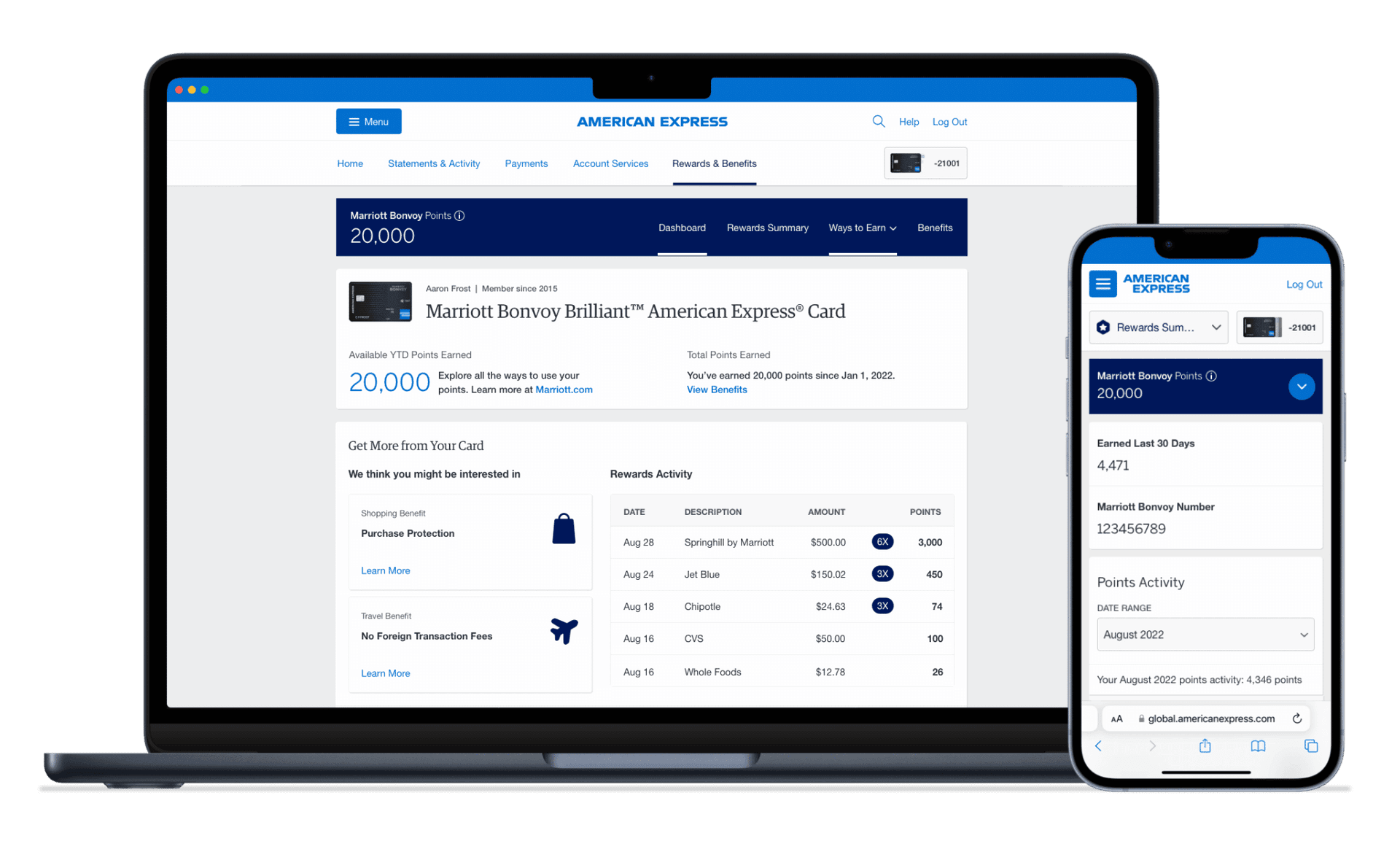
In a significant move to shape the future of automated shopping, American Express has announced the launch of a new developer toolkit and a purchase protection feature specifically designed for "agentic commerce." This term refers to transactions initiated and completed by AI agents on behalf of consumers, a frontier of digital commerce that is rapidly gaining traction.
Key Takeaways
- American Express has introduced a new developer toolkit and a purchase protection feature designed for 'agentic commerce'—transactions initiated by AI agents.
- This move aims to provide infrastructure and consumer confidence for the emerging automated shopping ecosystem.
The Innovation — What the Source Reports

The announcement, reported by Digital Commerce 360, signals American Express's strategic entry into the infrastructure layer of AI-driven commerce. The initiative comprises two core components:
A Developer Toolkit: This is a set of APIs and development resources aimed at enabling businesses and developers to build and integrate AI shopping agents that can seamlessly interact with the American Express payment network. The toolkit is designed to facilitate secure, reliable transactions initiated by autonomous software.
Purchase Protection for Agentic Commerce: Recognizing that consumer trust is paramount, American Express is extending its well-known purchase protection benefits to cover transactions made by AI agents. This is a critical step in mitigating the perceived risk of letting an AI make purchasing decisions, addressing concerns about errors, fraud, or unsatisfactory outcomes from automated purchases.
Why This Matters for Retail & Luxury
For luxury and high-value retail, where trust, security, and seamless experience are non-negotiable, this development is particularly relevant.
Enabling Next-Generation Personal Shoppers: Luxury brands have long explored AI-powered personal shopping assistants. This toolkit provides the transactional backbone for such agents to move from making recommendations to executing purchases within a trusted, protected framework. Imagine a brand's AI stylist not only curating a look but also securely purchasing the items on the client's behalf, with Amex handling the payment and guarantee.
Reducing Friction in High-Value Transactions: The purchase protection layer directly addresses a major barrier to adoption for automated purchases of luxury goods. A consumer is far more likely to authorize their AI agent to buy a $5,000 handbag if they know the transaction is backed by Amex's protection against damage, theft, or if the agent makes an erroneous choice.
Data and Loyalty Integration: The developer kit likely provides pathways for brands to integrate their loyalty programs and customer data (with consent) into the agentic commerce flow. This allows for hyper-personalized automated purchases that reflect a client's size, style preferences, and purchase history.
Business Impact
American Express is positioning itself not just as a payment processor, but as the trusted infrastructure provider for the agentic economy. For retailers, the impact is twofold:
Accelerated Roadmaps: Brands with AI concierge or shopping agent projects can now integrate with a production-ready payment and protection system, potentially accelerating their time-to-market.
Competitive Pressure: This move by Amex will likely prompt competing payment networks (Visa, Mastercard) and financial service providers to announce similar frameworks. Retailers will soon have multiple "agentic-ready" payment options to evaluate.
While specific adoption metrics are not yet available, the launch creates a formal channel for a transaction type that was previously ad-hoc and lacked standardized protections.
Implementation Approach

For a retail brand's technical team, implementation would involve:
Technical Integration: Utilizing the Amex developer APIs to connect the brand's AI shopping agent or chatbot platform to the payment network. This requires backend engineering work to handle authentication, transaction initiation, and status reporting.
UX/UI Design: Designing clear consumer interfaces and consent flows that explain when an AI agent is making a purchase, what purchase protections apply, and how to review or cancel transactions.
Compliance & Governance: Establishing internal policies for AI-agent purchasing limits, approval workflows (e.g., requiring human-in-the-loop for purchases above a certain value), and audit trails. This is crucial for luxury brands managing client relationships.
The complexity is moderate, primarily involving standard API integration, but the governance layer is new and requires careful design.
Governance & Risk Assessment
This initiative introduces new risk vectors that luxury brands must manage:
Liability Chain: If an AI agent buys the wrong item, who is liable? The brand that built the agent, the platform hosting it, or the payment provider? Amex's purchase protection clarifies part of this but does not eliminate the brand's responsibility for its agent's performance.
Privacy & Consent: Automated purchasing requires explicit, informed consent and clear data usage policies. The AI agent will need access to payment details and shipping information. Brands must ensure their data handling is impeccable.
Reputational Risk: A failure in an AI-powered purchase for a high-net-worth client could damage brand trust significantly. Robust testing, clear communication of limits, and a seamless human escalation path are essential.
The technology is emerging from the experimental phase into early commercialization, supported by a major financial institution. This endorsement boosts its credibility but does not eliminate the inherent risks of autonomous systems.
gentic.news Analysis
American Express's move is a clear signal that major financial infrastructure players are betting on the agentic commerce trend. This follows a pattern of financial services embedding themselves into new AI workflows to maintain centrality. It aligns with the broader industry shift we've covered, where commerce is becoming less about user-initiated checkouts and more about AI-mediated, context-driven transactions.
For the luxury sector, this development is a double-edged sword. On one side, it provides a much-needed trust and utility layer that can unlock the true potential of AI personal shoppers, moving them from novelties to revenue drivers. On the other, it forces brands to confront the operational and ethical complexities of delegating purchasing authority to AI.
The key strategic question for luxury houses is control. Will they develop their own proprietary agentic commerce experiences using toolkits like Amex's, or will they cede this ground to third-party platforms? The brands that succeed will likely treat their AI agents not as simple chatbots, but as digital extensions of their highest-touch client services, with all the discretion, taste, and accountability that implies. This launch provides the plumbing; the brand's challenge is to build the exquisite experience on top of it.