An open-source project called Cabinet has launched, billing itself as a "startup OS" that provides users with a full team of 20 AI agents. The platform is designed to automate and manage various operational tasks for early-stage companies and is being offered for free.
Key Takeaways
- Cabinet, an open-source 'Startup OS,' has launched, offering a suite of 20 AI agents designed to automate various business functions.
- The platform is positioned as a free alternative to paid AI team solutions.
What Happened
Cabinet has released its core platform as an open-source project. The central offering is a pre-configured suite of 20 specialized AI agents. According to the announcement, these agents are designed to handle scheduled, automated tasks across different business functions, effectively acting as an AI-powered operational team.
The project's tagline and the reaction from the developer community ("Bro, this shouldn't be free") highlight its positioning as a high-value tool being offered at no cost. The term "Startup OS" suggests an ambition to be a foundational, all-in-one system for running a startup, moving beyond a simple tool or API wrapper.
Context & Technical Details
While the initial announcement is brief, the concept of a "Startup OS" built with multiple AI agents points to several technical and market trends:
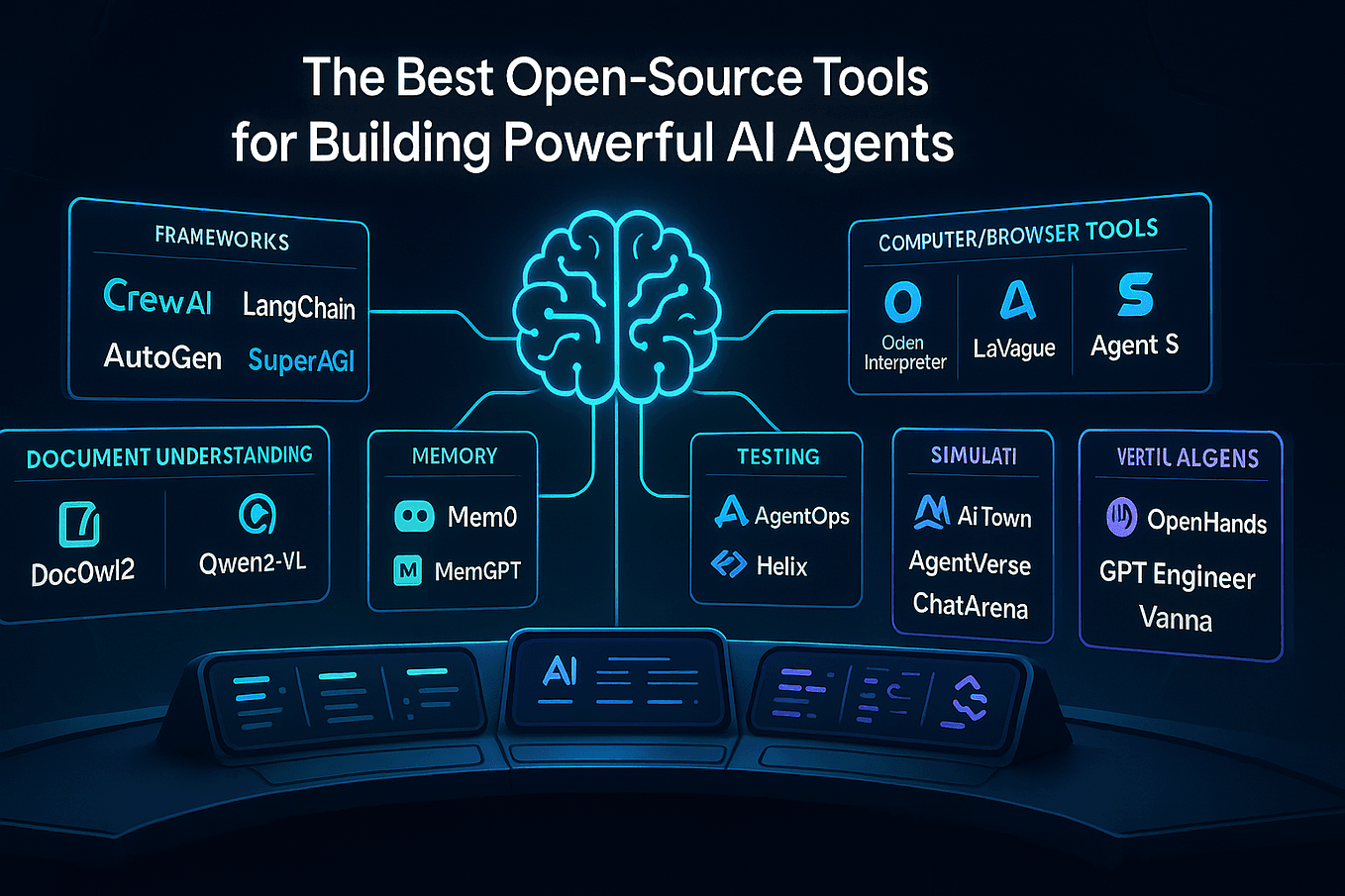
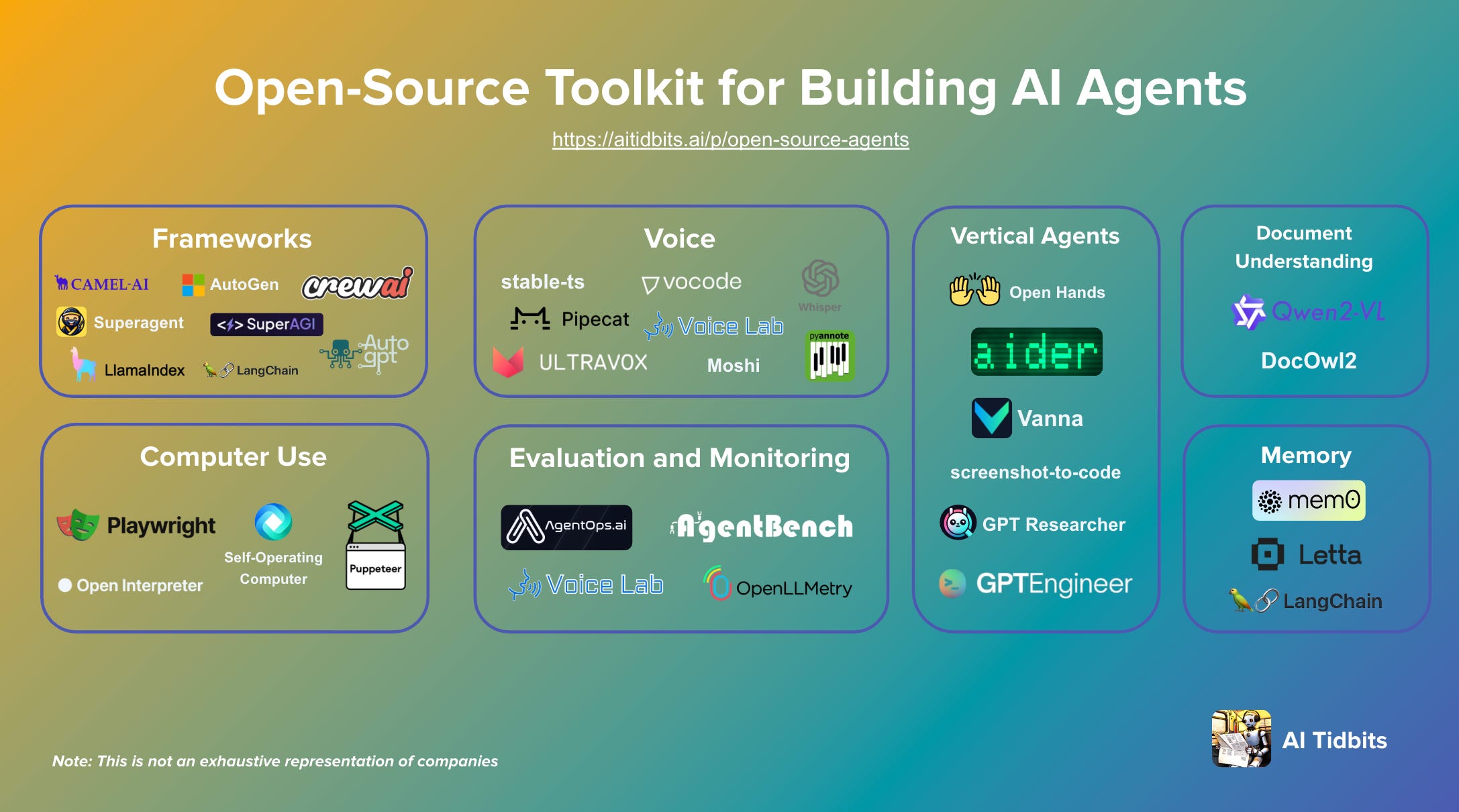
- Multi-Agent Systems: The platform is built on the architecture of a multi-agent system (MAS), where different LLM-powered agents with specific roles (e.g., marketing, sales, product, finance) work together or are triggered on a schedule.
- Open-Source AI Ops: By being open-source, Cabinet allows developers to inspect, modify, and self-host the entire agentic workflow, avoiding vendor lock-in and API costs associated with platforms like CrewAI or AutoGen.
- Scheduled Automation: The mention of "scheduled auto..." tasks indicates a focus on reliability and hands-off operation, moving from conversational AI to persistent, automated AI workers.
The Competitive Landscape
The launch enters a crowded but rapidly evolving space. Several companies offer platforms to orchestrate AI agents, but few position themselves as a complete operating system for a business.
Cabinet Open-Source "Startup OS" with 20 pre-built agents Free CrewAI Open-Source Framework for orchestrating role-playing agents Free (Framework) LangGraph Open-Source (Library) Stateful, cyclic workflows for complex agents Free (Library) Multi-On Proprietary Specialized in web browsing & task automation FreemiumCabinet's primary differentiator is its opinionated, out-of-the-box setup—20 agents pre-configured for startup tasks—as opposed to being a framework or library that requires significant setup.
What to Watch

The immediate questions for Cabinet are about execution and depth:
- Agent Capability: Are the 20 agents robust, specialized workflows, or simple prompt chains? Their real-world utility will determine adoption.
- Integration & Extensibility: How easily can the OS integrate with a startup's existing tools (Slack, Notion, Stripe, etc.)? Can developers easily add new custom agents?
- Sustainability Model: As a free, open-source project, its long-term development trajectory is unclear. Will it rely on commercial support, hosted services, or community maintenance?
gentic.news Analysis
Cabinet's launch is a direct shot across the bow of the burgeoning AI Agent Platform-as-a-Service market. By going open-source and free, it applies pressure on venture-backed companies like Cognition AI (makers of Devin) and Multi-On, which are building proprietary, closed agentic systems. This follows a classic open-source playbook: commoditize the core infrastructure to capture developer mindshare.
This move aligns with a trend we noted in our coverage of the OpenAI o1 Model Family launch, where the competitive moat is shifting from raw model intelligence to reliable, automated workflows. Cabinet is betting that the real value for startups isn't a single brilliant AI, but a coordinated system of reliable, task-specific agents. Its success hinges on whether it can deliver on the "OS" promise—providing not just agents, but the glue (data pipelines, memory, tool integrations) that makes them a cohesive platform.
However, the "free" label is a double-edged sword. It drives initial adoption but raises immediate questions about longevity and support. The project will need to rapidly build a committed community of contributors to avoid becoming abandonware. If it gains traction, it could force commercial players to open-source more of their orchestration layers, accelerating the democratization of agentic AI.
Frequently Asked Questions
What is Cabinet?
Cabinet is an open-source software platform described as a "Startup OS." It provides users with a pre-built system of 20 different AI agents designed to automate various business tasks like marketing, sales, and operations, functioning as an automated AI team.
Is Cabinet really free?
Yes, according to the initial announcement, the Cabinet "Startup OS" platform is being released as a free and open-source project. This means the code is publicly accessible for anyone to use, modify, and distribute without cost.
How does Cabinet compare to CrewAI or AutoGen?
CrewAI and AutoGen are open-source frameworks and libraries for building multi-agent systems. They provide the tools but require you to design and code your own agents. Cabinet is positioned as a full product—an "OS" that comes with 20 ready-to-use, pre-configured agents out of the box, aiming for a faster setup.
What are the risks of using a free AI agent platform?
The main risks are related to sustainability and support. A free, open-source project may lack dedicated resources for timely security updates, bug fixes, and new features. There is a risk of the project becoming inactive or unsupported, which could leave users needing to migrate their automated workflows to a new platform.