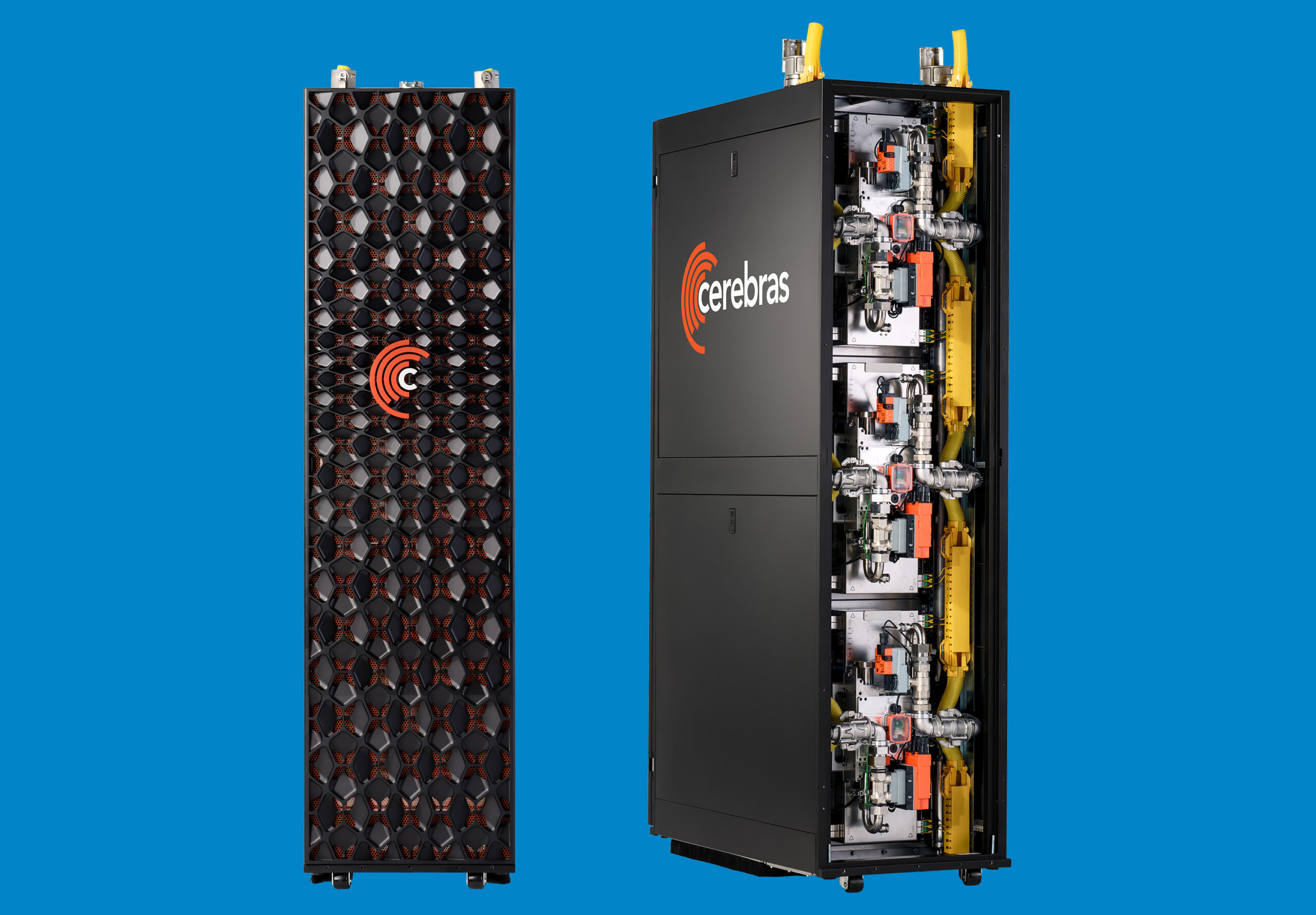
Cerebras and Flex announced a 7x production expansion of the CS-3 AI supercomputer at Flex's Milpitas, California facility on July 9, 2026. The deal underscores a push to keep advanced AI manufacturing on U.S. soil despite the industry's reliance on overseas supply chains.
Key facts
- Production capacity increase: 7x through 2026
- Manufacturing location: Flex facility in Milpitas, California
- Product: Cerebras CS-3 wafer-scale AI accelerator
- Announcement date: July 9, 2026
- Competes with: Nvidia GPU clusters
Cerebras and Flex are doubling down on American manufacturing for the CS-3, a wafer-scale AI accelerator that competes directly with Nvidia's GPU clusters. The expanded partnership targets a 7x increase in production capacity through 2026, backed by new assembly lines, expanded floor space, advanced test infrastructure, and additional skilled manufacturing talent based in California According to the HPCwire press release.
The CS-3, built on Cerebras' wafer-scale engine architecture, integrates liquid cooling, high-density power delivery, and precision mechanical assembly into a platform designed for large-scale AI training and inference. Manufacturing the CS-3 presents challenges rarely encountered in traditional server production, requiring specialized handling processes, custom tooling, and extensive system-level validation. Flex engineers worked closely with Cerebras to develop dedicated assembly flows, automated test stations, and new manufacturing methodologies tailored specifically to wafer-scale computing systems.
"The CS-3 does not resemble a conventional server or rack-scale compute platform," said Rob Campbell, President of Communication, Enterprise and Cloud at Flex. "Every stage of the manufacturing process—from mechanical integration to thermal validation and final system qualification—required deep collaboration between our engineering teams."
This expansion arrives as Nvidia faces delays on its next-generation AI rack system, now pushed to 2028 per SemiAnalysis. Cerebras is seizing the window to scale wafer-scale production while Nvidia's supply chain remains constrained by advanced packaging bottlenecks in Taiwan. By keeping assembly in California, Cerebras also hedges against geopolitical risk that could disrupt Nvidia's offshore manufacturing.
Cerebras COO Dhiraj Mallick directly addressed the offshore narrative: "People often think the entire AI manufacturing and packaging supply chain lives overseas, but everyday across the U.S., teams of American engineers and technicians are building state-of-the-art AI systems that power frontier AI workloads around the world."
The companies did not disclose the total capital investment behind the expansion, the number of new manufacturing jobs created, or the specific production volume targets in absolute units. The press release also omitted any mention of customer commitments or pre-orders tied to the increased capacity.
Key Takeaways
- Cerebras and Flex expand CS-3 production 7x at Milpitas facility.
- The partnership keeps wafer-scale AI manufacturing in the U.S.
- as Nvidia faces delays.
What to watch
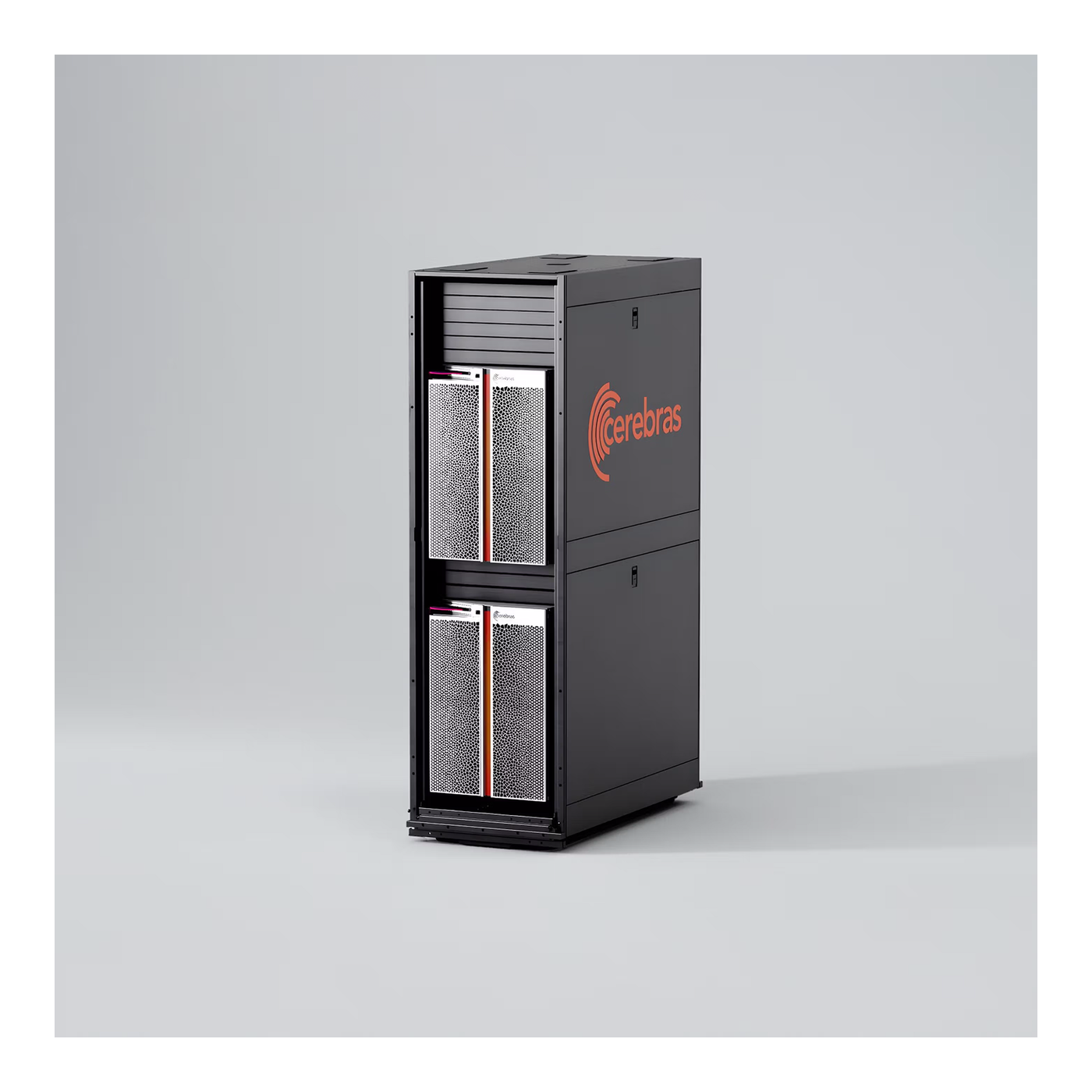
Watch for Cerebras' next customer win or funding round—the company has raised over $1 billion to date but remains private. Also track whether Nvidia's 2028 rack delay opens the door for Cerebras to capture enterprise AI training workloads that currently run on H100/B200 clusters.
Source: hpcwire.com
[Updated 09 Jul via hpcwire]
Separately on July 9, Cerebras announced plans to bring its first European data center capacity online by end of 2026, with rapid build-out in France and the Nordics targeting 200 MW of total AI compute capacity by end of 2027 [per HPCwire]. This transatlantic push complements the U.S. manufacturing expansion, signaling Cerebras' ambition to serve hyperscale AI workloads on both continents.