The Hidden Parallel Processing
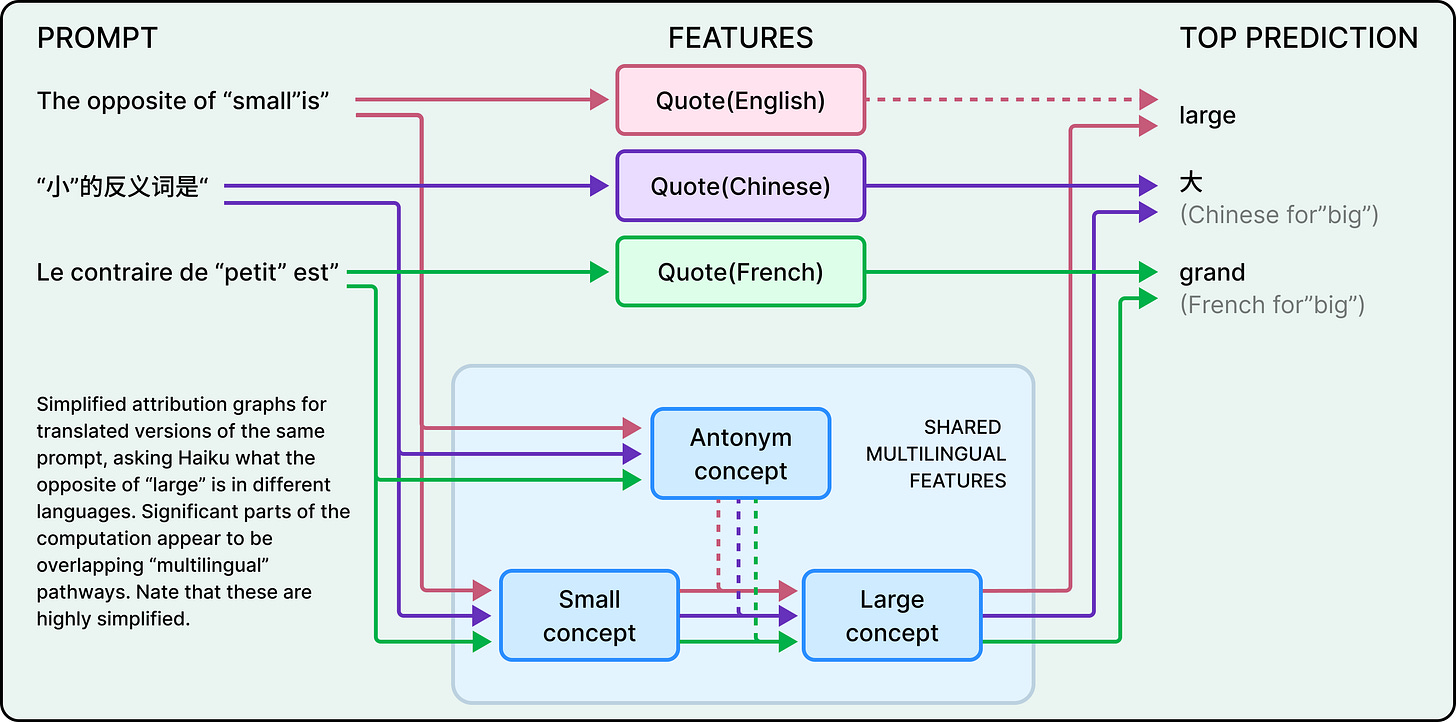
Recent Anthropic interpretability research reveals a critical gap: what Claude says it's doing and what it's actually doing internally are often different. When asked to add 36 and 59, Claude might describe carrying the ones like a human would. But internal tracing shows it's running two parallel strategies simultaneously: one estimating the rough answer and another precisely calculating the last digit. It gets the right answer but via a different, invisible computational path.
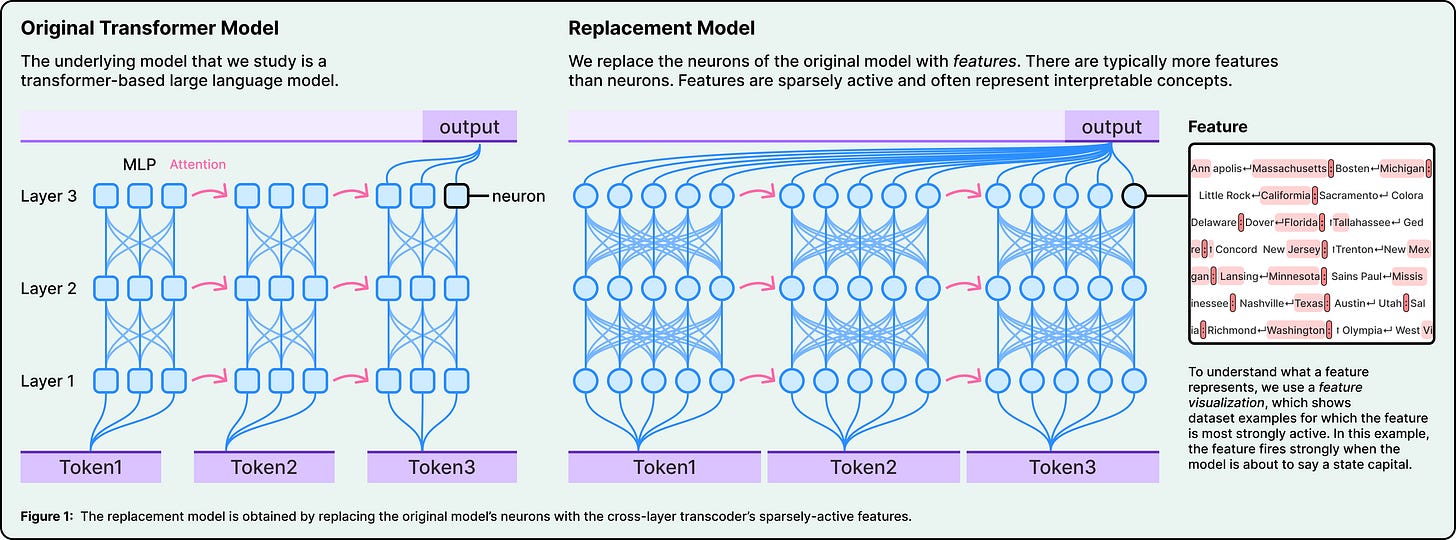
This "black box" behavior isn't a bug—it's how modern LLMs work. Individual neurons activate for multiple concepts at once (polysemanticity), making direct inspection meaningless. Anthropic's researchers had to develop specialized "microscope" techniques to decompose this activity into interpretable "features."
What This Means For Your Claude Code Workflow
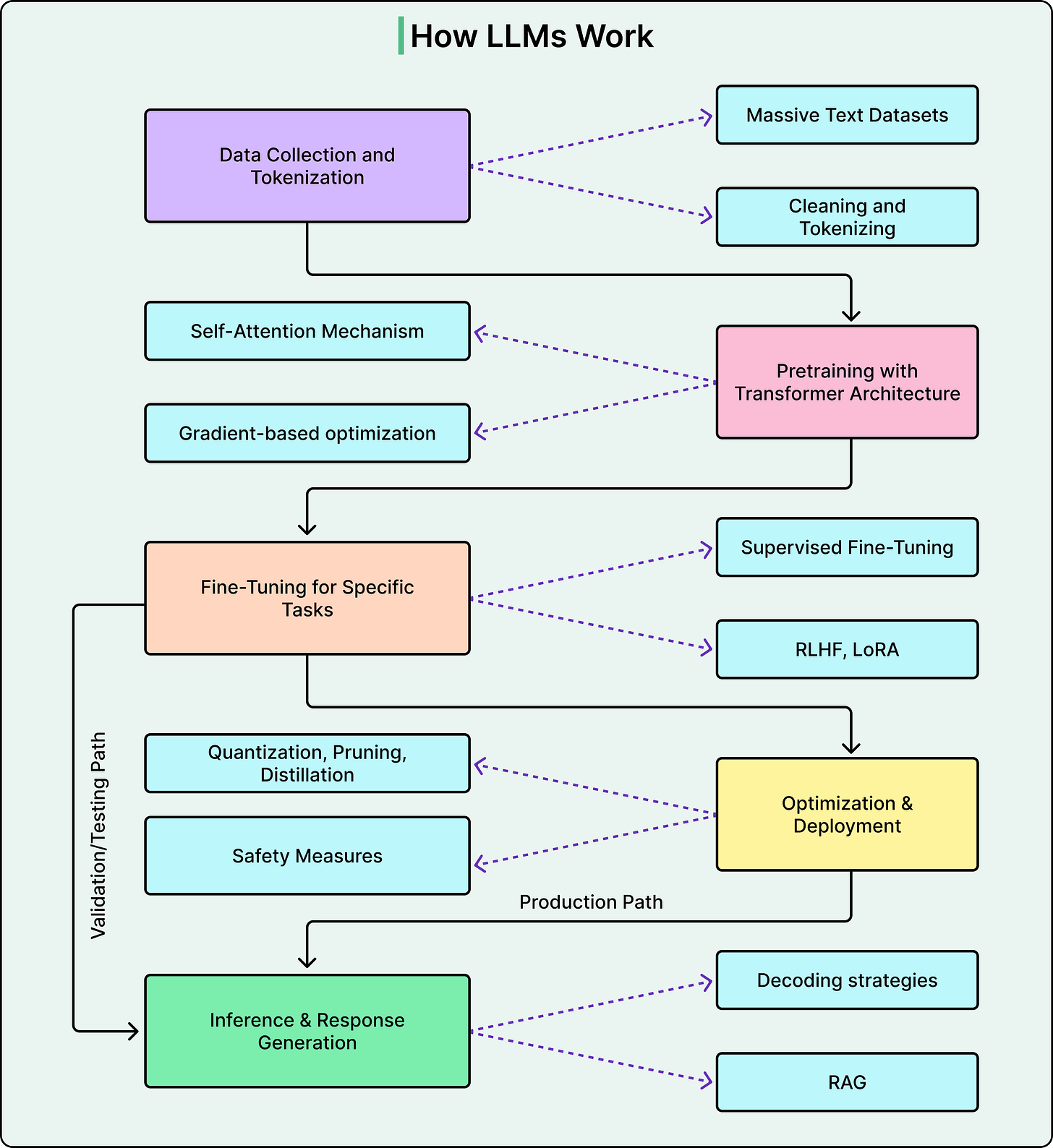
When you run claude code "refactor this function", you're triggering complex, parallel internal computations you can't see. The model isn't following a linear, human-like thought process. It's activating multiple feature patterns simultaneously based on your prompt and the available context.
The practical implication: Claude Code performs best when it has maximum relevant context to activate the right internal features. Sparse prompts with minimal context force the model to guess which computational strategies to deploy.
Stop Using Sparse Prompts
Instead of:
claude code "fix the bug in api.js"
Provide the context that triggers Claude's most effective parallel processing:
- Always include relevant files:
claude code --context api.js,models/user.js,tests/api.test.js "The POST /users endpoint returns 500 when email is missing. Trace through these files and fix the validation logic."
- Use CLAUDE.md to establish patterns:
## Project Patterns
- All API endpoints validate input in `/middleware/validate.js`
- Error responses use format: `{error: {code, message, details}}`
- Database calls go through `/lib/db.js` wrapper

## Current Issue
User creation fails when email field is empty. The test `api.test.js:45` expects 400 but gets 500.
- Chain commands to build context:
# First, analyze the structure
claude code "List all validation middleware functions and their purposes"

# Then, use that understanding in the fix
claude code --context middleware/validate.js,api.js "Based on the validation functions, why would missing email cause 500 not 400? Fix it."
The MCP Advantage: Structured Context
Model Context Protocol (MCP) servers excel here because they provide structured, tool-specific context that reliably activates Claude's relevant internal features. When you install the GitHub MCP server, Claude Code isn't just "thinking about" Git—it's activating specific version control feature patterns.
# With GitHub MCP, you get better context activation:
claude code "What changed in the last commit that might affect the auth system?"
# vs. without MCP:
claude code "Read git log and tell me what changed..."
When Parallel Processing Fails
The research shows Claude sometimes activates wrong features or gets "distracted" by irrelevant patterns. In Claude Code, this manifests as:
- Fixing the wrong part of the code
- Implementing unnecessary changes
- Missing obvious solutions
Solution: Use the /compact flag to reduce token usage by 40% (as covered in our March 26 article), then reinvest those tokens in more specific context:
# Instead of this vague prompt:
claude code "improve performance"

# Use saved tokens for specificity:
claude code --compact "The /analytics endpoint takes 2+ seconds. Profile these three functions in utils/analytics.js and optimize the slowest one first."
What Anthropic's Research Team Discovered
Beyond the parallel math strategies, Anthropic traced Claude's internal computations across writing poetry, factual questions, and handling dangerous prompts. The consistent finding: Claude's self-described reasoning often doesn't match its actual computational steps.
For Claude Code users, this means trusting the output more than the explanation. When Claude Code says "I'll refactor this by extracting a helper function," but instead optimizes inline logic—that's the parallel processing at work. The result is what matters.
Actionable Takeaways
- Context over brevity: Every token you save on context is a potential feature activation Claude Code misses.
- Install relevant MCP servers: They provide structured context that reliably triggers the right internal patterns.
- Use
/compactstrategically: Not to make prompts shorter, but to make room for more relevant files and details. - Chain your commands: Build understanding step-by-step to guide Claude's parallel processing.
- Trust output over process descriptions: Claude Code might solve problems differently than it says—evaluate the code, not the explanation.
This follows Anthropic's March 31 release of Claude Code Auto Mode and the /dream command for memory consolidation. The interpretability research explains why these context-management features matter: they help Claude activate the right internal features consistently across sessions.