Key Takeaways
- Claude Code skills (July 28, 2026) encode reusable workflows in ~/.claude/skills/.
- They cut tokens on repetitive tasks like design checklists but waste them on one-offs — match skill usage to task frequency.
The Question That's Bugging Every Senior Dev
A 10-year developer on r/ClaudeCode just asked what everyone's thinking: "I don't use any skills, what am I missing on?" They've shipped production code for months with vanilla Claude Code, and their company is buzzing about skills for mermaid diagrams and design-question checklists. Their vanilla prompt generated a perfect pizza-making mermaid diagram on the first try. So what's the actual value?
Fair question. Let's break down when skills earn their token cost and when they're pure overhead.
What Skills Actually Are
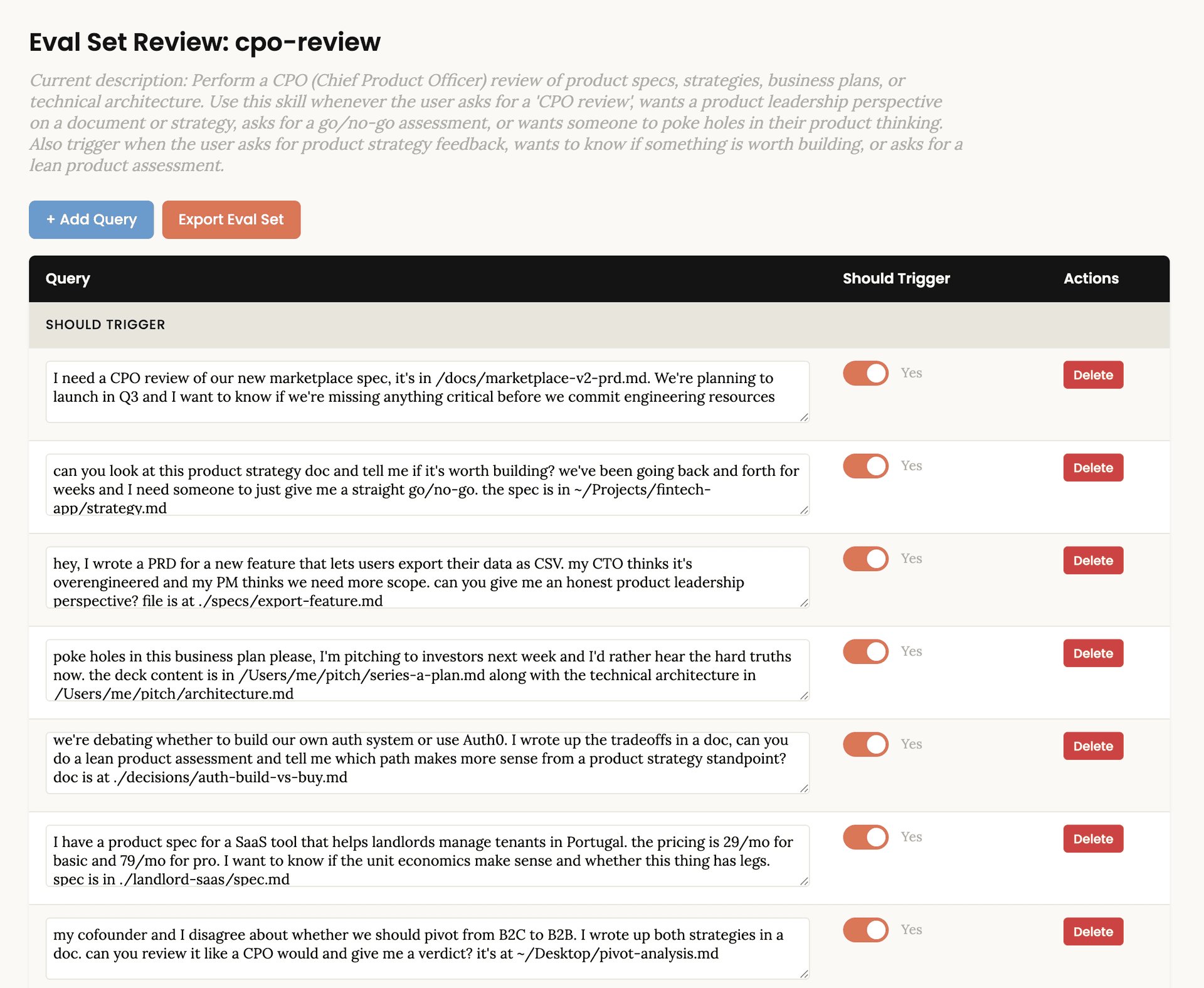
Claude Code skills (released July 28, 2026) are reusable instruction packs stored in ~/.claude/skills/. Each skill is a folder with a SKILL.md file that contains:
- A name and description
- Trigger conditions
- Step-by-step instructions
- Example outputs
- Optional reference files
When Claude Code detects a task matching a skill's description, it loads the skill's context into the conversation. That's the token cost — the skill's full instructions get injected before the model starts working.
When Skills Save You Tokens
Skills win when your workflow is repetitive and standardized. Consider a design-review checklist your team uses for every feature. Without a skill, you'd paste the 500-word checklist into every prompt. With a skill, Claude loads it automatically when you say "design review for the auth flow."
That's the sweet spot: a process you run 10+ times that has a stable, documented procedure.
Examples that genuinely benefit:
- Feature design checklists — your team's 8-question pre-implementation review
- Code review rubrics — specific standards for security, performance, style
- Migration procedures — step-by-step database or framework upgrades
- Diagram generation with house style — your org's specific Mermaid conventions
When Skills Burn Tokens
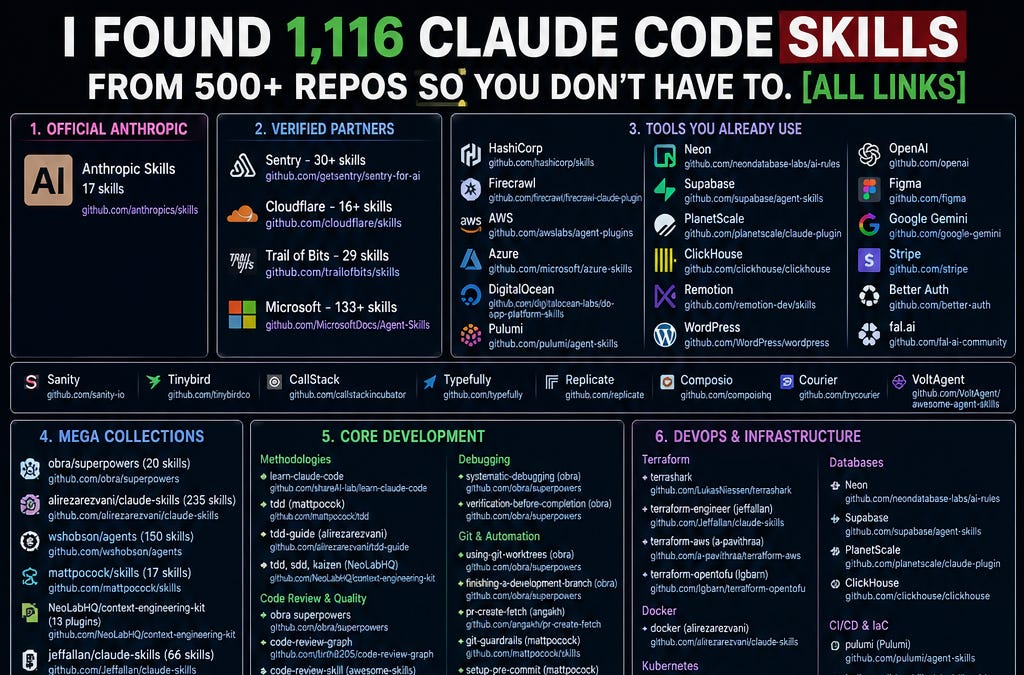
The Reddit poster's instinct is correct for one-off tasks. Asking Claude to "make a mermaid diagram of pizza steps" doesn't need a skill. The model already knows Mermaid syntax. Loading a skill adds hundreds of tokens of instructions for zero benefit.
Skills also hurt when your process changes frequently. You'll spend more time maintaining the skill files than you save in prompt repetition.
The Token Math
Let's be concrete. A typical skill file runs 300–800 tokens. Loading it costs that much per invocation. If your vanilla prompt for the same task is 400 tokens, a skill only pays off when:
- The skill replaces more tokens than it costs (e.g., a 1,500-token checklist)
- You run the task often enough that setup amortizes
For a 700-token skill used 20 times: 14,000 tokens total. The alternative — pasting a 1,200-token checklist 20 times — is 24,000 tokens. The skill saves 10,000 tokens. That's real.
For the pizza diagram: skill costs 700 tokens, vanilla prompt costs 50. You'd need 14 pizza diagrams before breaking even. Nobody needs that.
How To Apply This
Step 1: Audit your workflow. List the prompts you repeat weekly. Anything you've typed more than 5 times this month is a skill candidate.
Step 2: Start small. Create one skill for your highest-frequency task. Here's a minimal example for a design-review checklist:
# ~/.claude/skills/design-review/SKILL.md
---
name: design-review
description: Run the standard 8-question design review before implementing a feature.
---

When asked to design a new feature, answer these questions in order:
1. What problem does this solve? Who's the user?
2. What are the acceptance criteria?
3. What are the failure modes?
4. What existing code does this touch?
5. What's the migration path?
6. What tests are needed?
7. What's the rollback plan?
8. What metrics will we track?

Output as a structured markdown document.
Step 3: Measure. Track token usage for a week with and without the skill. Keep it only if it's saving.
Step 4: Version-control your skills. Put ~/.claude/skills/ in git. Your team can review and iterate on them like code.
The Bottom Line
Skills are a tool for standardized, repeated workflows. They're not a magic upgrade that makes Claude smarter. If your company's skills are burning tokens, it's because they're loading heavyweight instructions for tasks that don't need them — or the tasks are too varied to benefit from standardization.
Start with one skill for your most repetitive process. Measure. Decide. Ignore the hype either way.
Source: reddit.com
[Updated 07 Aug via devto_claudecode]
The token math gets worse in headless mode. A dev.to post reports that a cold claude -p call in a repo root burned roughly 150,000 tokens before doing any work, because print mode loads the full interactive context — hooks, skills, plugins, MCP servers, auto memory, and all CLAUDE.md files. The fix is --bare, which skips that auto-discovery entirely and is the documented recommended mode for scripted calls; it will become the default for -p in a future release. If you're scripting Claude Code, --bare is the cost control your skill strategy was missing. [per dev.to]