Turner & Townsend's 2026 report found over 70% of global markets report data center contractor capacity as overstretched. Nearly 90% of respondents cited shortages in mechanical, electrical, and plumbing trades, making workforce availability the leading cost driver.
Key facts
- 70% of markets report data center contractor capacity overstretched
- 90% of respondents cite MEP trade shortages
- US needs 650,000 workers for data center construction
- Prefab cuts onsite labor demand by 20-40%
- Modular units scale to 10 MW or more
The AI infrastructure buildout has turned data center construction into the world's most capacity-constrained sector, according to Turner & Townsend's Global Construction Market Intelligence 2026 report, which covered 112 markets in 44 countries. Over 70% of markets reported contractor capacity as tightening or overstretched, with data centers now leading global construction demand ahead of industrial and logistics projects.
Key Takeaways
- Turner & Townsend report finds 70% of markets overstretched in data center construction, with 90% citing MEP trade shortages.
- US needs 650K workers.
The MEP Bottleneck
The labor shortage is acute in specialized trades. Nearly 90% of respondents cited shortages in mechanical, electrical, and plumbing (MEP) trades, while 71% reported general construction labor shortages. "The most challenging critical roles to fill are currently senior electrical leads, HVAC professionals at the forefront of newer cooling technologies, and commissioning agents and engineers," Lisa Duignan, director of global data centers at Turner & Townsend, told Data Center Knowledge.
US data center construction and operations will need roughly 650,000 workers to support 2026 growth, said Wannie Park, CEO of data center orchestration company Pado AI. Owners and contractors are responding with offsite manufacturing, improved building information modeling, and data center-specific apprenticeship programs.
Modular Acceleration
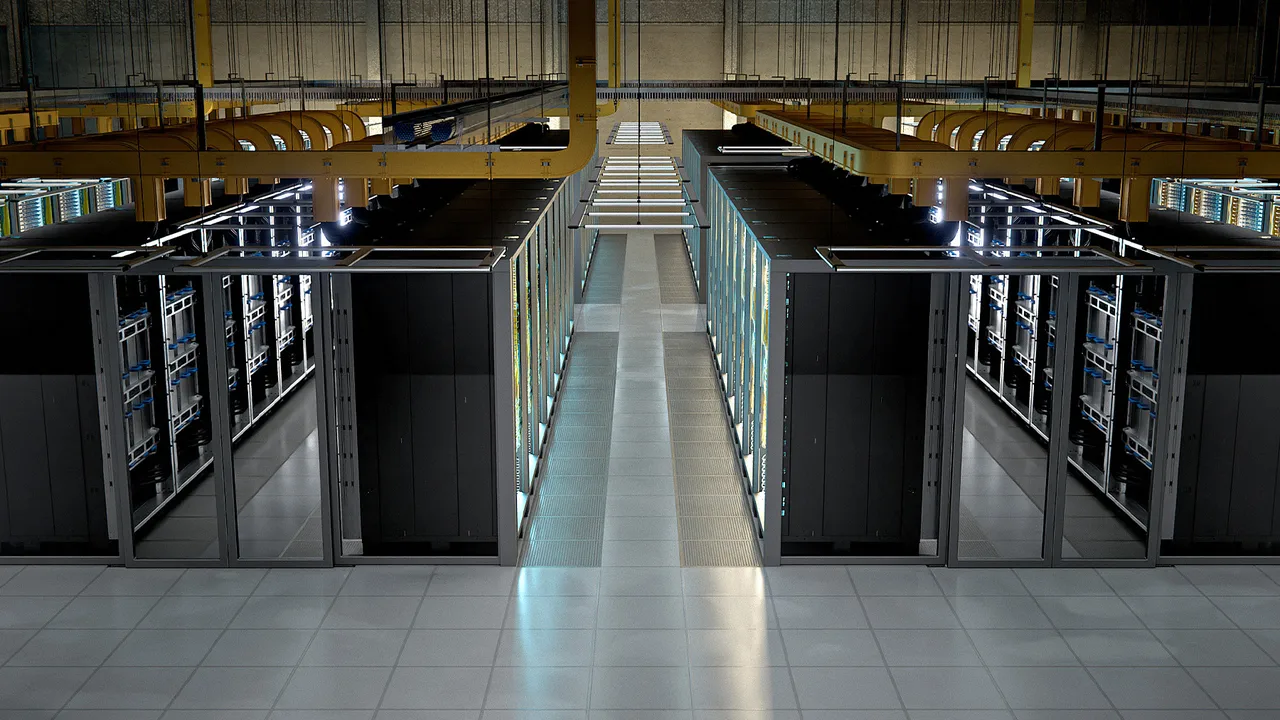
Modular construction, gaining ground before the AI boom, is accelerating. Park says prefabrication of electrical skids, cooling modules, and power rooms cuts onsite labor demand by 20-40%. Modular designs are expanding beyond containerized systems to scalable units of 10 megawatts or more.
.jpg?width=1280&auto=webp&quality=80&disable=upscale)
"Over the past decade, the data center construction industry had already been pivoting to modular components," Duignan says. "The difference now is the speed of deployment." The shift pulls complexity out of variable construction sites into controlled factory environments for precision engineering and testing.
What to watch
Watch for Q3 2026 data center construction starts and whether hyperscalers accelerate modular factory investments. Also monitor apprenticeship program enrollment numbers from Turner & Townsend's next quarterly update.
Source: datacenterknowledge.com