The Innovation — What the source reports
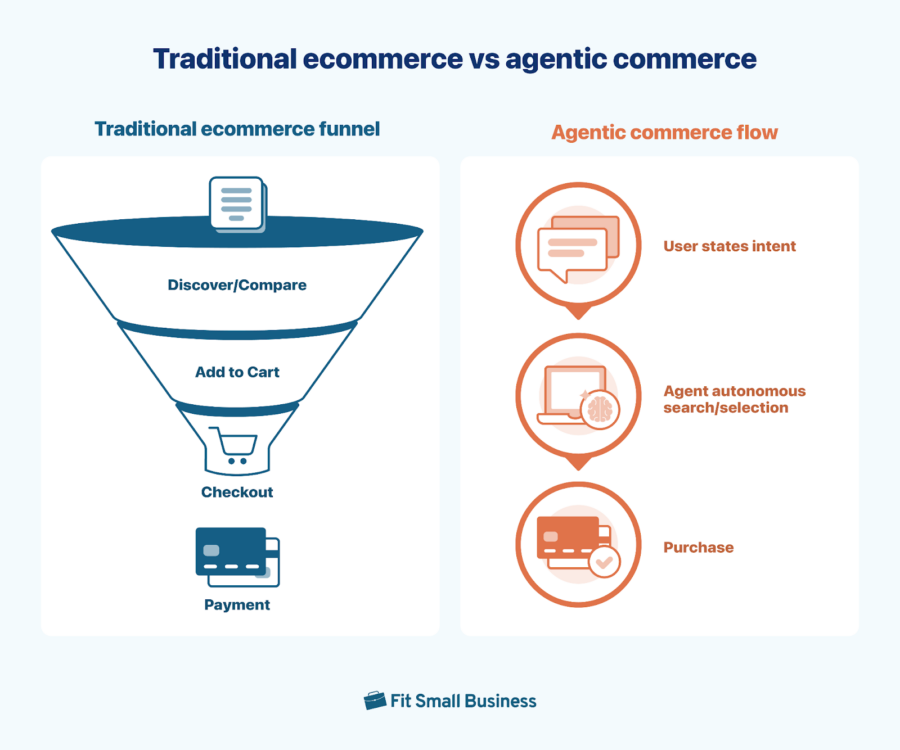
The retail industry is experiencing a tangible acceleration in the adoption of AI shopping assistants. According to Salesforce data cited in the report, consumer use of these tools accelerated during the recent holiday season, influencing 1 in 5 purchases and driving a staggering $262 billion in revenue. Brands that launched their own shopper agents before the holidays saw significantly more growth than those that had not, creating intense pressure on customer experience leaders to act.
However, the core message from industry experts is a counterintuitive one: The biggest risk isn't falling behind on deployment—it's deploying before the organization is ready. The race to implement is secondary to the foundational work of data strategy. AI shopping assistants, which promise personalized, conversational, and efficient customer experiences, will only be as effective as the data that powers them.
Why This Matters for Retail & Luxury
For luxury and high-end retail, where customer experience is the product, this shift from a deployment race to a readiness marathon is paramount. An AI assistant that provides inaccurate product details, lacks inventory visibility, or fails to recall a client's purchase history doesn't just fail—it actively damages brand equity and trust.
The report identifies unified data as the non-negotiable prerequisite. In a typical enterprise, the necessary information is fragmented:
- Product Information: Lives in Product Information Management (PIM) systems.
- Inventory & Logistics: Managed by Enterprise Resource Planning (ERP) systems.
- Customer History & Preferences: Stored in Customer Relationship Management (CRM) platforms.
- Detailed Product Knowledge: Often buried in PDF user manuals or style guides.
An effective AI agent needs a holistic, real-time view across all these silos to answer complex, nuanced queries like, "Show me handbags from the latest collection that match the shoes I bought last month and are available in my local boutique."
Business Impact
The potential impact is quantified. The $262 billion in influenced revenue demonstrates the sheer scale of consumer willingness to engage with this technology. For individual brands, the payoff for getting it right is not just incremental sales but deeper customer loyalty and a significant competitive moat. A well-executed AI shopping assistant becomes a 24/7, infinitely patient, and deeply knowledgeable brand ambassador.
Conversely, the cost of getting it wrong is high. A poorly implemented assistant leads to customer frustration, eroded trust, and public relations challenges—risks that are magnified in the reputation-sensitive luxury sector.
Implementation Approach
Implementation is less about selecting a Large Language Model (LLM) and more about enterprise data architecture. The technical journey involves:
- Data Unification: Creating a single customer view and a unified product catalog by integrating PIM, ERP, CRM, and other legacy systems. This often requires middleware, APIs, and a clear data governance model.
- Knowledge Graph Construction: For luxury retail, where product relationships (e.g., heritage, craftsmanship, material provenance) are key, building a rich knowledge graph is more valuable than a simple vector database. This graph links products, styles, materials, artisans, and customer profiles.
- Security & Privacy by Design: The system must be architected to handle sensitive customer data (purchase history, preferences) with the highest standards of security and privacy compliance (e.g., GDPR), especially critical for high-net-worth clientele.
- Phased Pilot Deployment: Start with a constrained, high-value use case—such as an assistant for a specific product category or for top-tier VIP clients—to test the data pipeline and refine the interaction model before a full rollout.

Governance & Risk Assessment
Maturity Level: The technology (LLMs, orchestration frameworks) is mature enough for deployment, but most organizations' data readiness is at a low maturity level. The gap is the primary implementation risk.

Key Risks:
- Data Hallucination: The assistant providing confident but incorrect information about product details, price, or availability.
- Privacy Breach: Inadvertently exposing one customer's data to another in a conversation.
- Brand Voice Dilution: The assistant's tone failing to align with the brand's luxury aesthetic and values.
- Systemic Bias: The model perpetuating or amplifying biases present in historical sales or marketing data.
Governance must focus on continuous monitoring for accuracy, strict access controls, and human-in-the-loop oversight for escalations and complex client requests. The goal is augmented intelligence, not full automation, particularly for high-value transactions.