Researcher @kimmonismus argues Europe has no coherent AI strategy, citing energy, data centers, and tech company support gaps. The critique comes as the EU AI Act faces softening, but policymakers offer no structural plan.
Key facts
- Europe accounts for ~20% of global data center capacity.
- US holds over 40% of global data center capacity.
- China nuclear reactor construction timeline: 3–5 years.
- Europe average industrial electricity price: €0.12–0.15/kWh.
- Training GPT-4 scale model consumes 50–100 GWh electricity.
In a blunt thread on X, researcher @kimmonismus laid out a structural critique of Europe's AI posture: the continent lacks a convincing energy strategy, a serious data center buildout plan, and any clear mechanism to support globally relevant tech companies. [According to @kimmonismus]
While China builds dozens of nuclear reactors and the US invests heavily in nuclear and solar capacity, Europe's approach is described as "erratic, vague, and fundamentally unserious." The only meaningful concession from the European Commission has been softening parts of the EU AI Act, which @kimmonismus frames as insufficient to address what AI companies actually need.
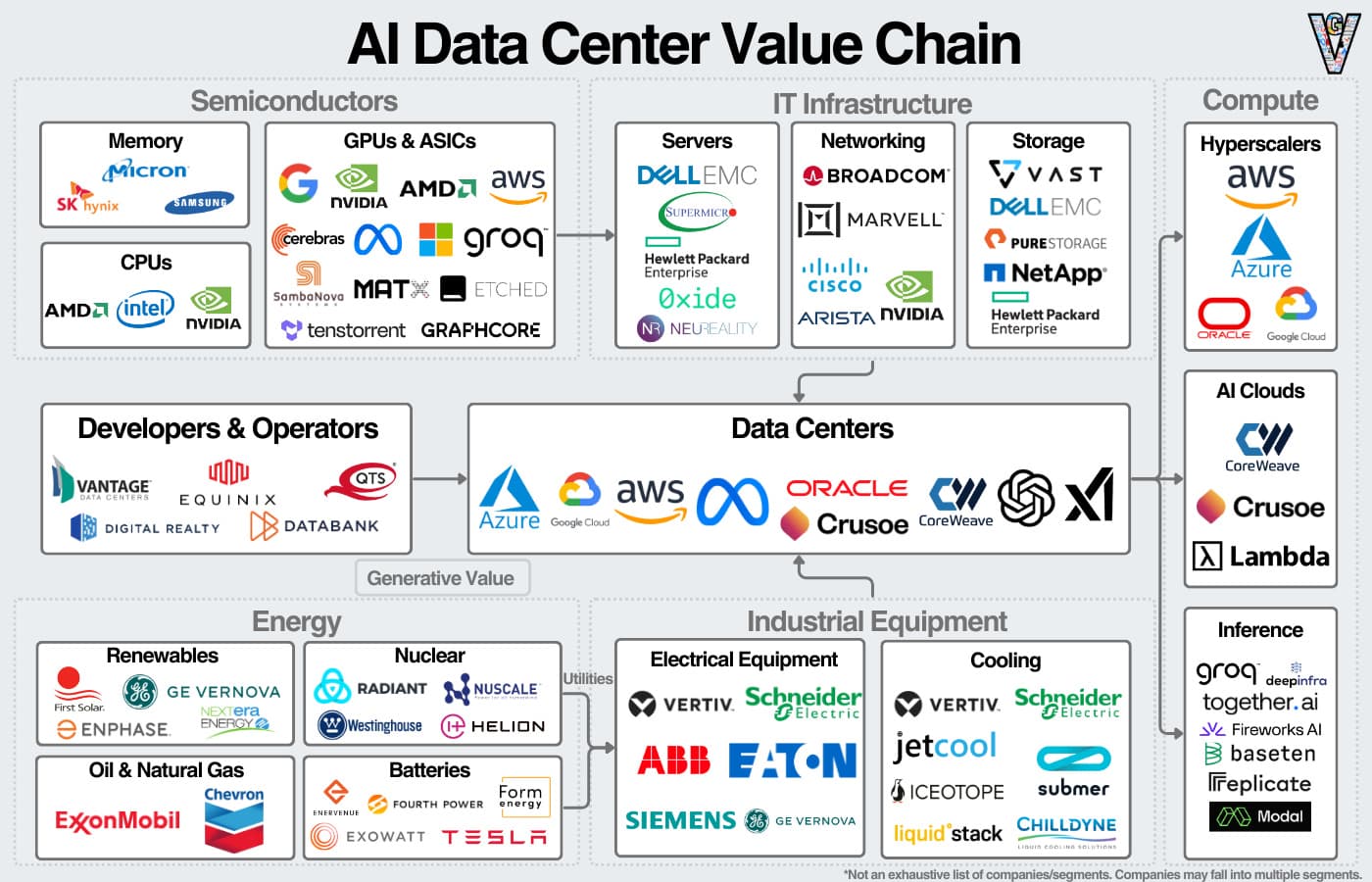
The critique lands amid a broader debate about Europe's role in AI infrastructure. The continent's data center capacity lags behind the US and China, and energy constraints are a known bottleneck for training large models. Per publicly available data, Europe accounts for roughly 20% of global data center capacity, while the US holds over 40% and China nearly 15%. Nuclear permitting timelines in Europe average 10–15 years, compared to 5–7 in the US and 3–5 in China.
The unique take
@kimmonismus' thread matters less as a new revelation and more as a signal that even sympathetic observers see no credible European AI strategy. The EU AI Act, once touted as a global standard, is now being walked back — and the walking back isn't accompanied by any positive infrastructure or industrial plan. This mirrors a pattern seen across critical technologies: Europe regulates first, builds second, and often doesn't build at all.
The energy-data center link
AI training requires both cheap energy and massive compute. Without nuclear or renewables at scale, European AI startups face a structural disadvantage. Per industry estimates, training a single frontier model (e.g., GPT-4 scale) consumes 50–100 GWh of electricity. Europe's average industrial electricity price is roughly €0.12–0.15/kWh, compared to €0.04–0.06/kWh in the US and €0.03–0.05 in China. That 2–3x cost premium compounds across the entire training stack.
What's missing
@kimmonismus doesn't offer a solution, but the implied ask is clear: Europe needs a coordinated energy infrastructure plan, fast-tracked data center permitting, and a dedicated fund to support AI-native companies. Without those, the continent will remain an AI consumer, not a builder.
Key Takeaways
- Europe lacks a strategy for AI, with no energy or data center plan, per @kimmonismus.
- Only minor EU AI Act concessions offered.
What to watch
Watch for the European Commission's 2026 Digital Decade report in Q3, which must include concrete data center and energy infrastructure targets. If those remain vague, expect more capital flight from European AI startups to the US.
[Updated 03 May via dck_news]
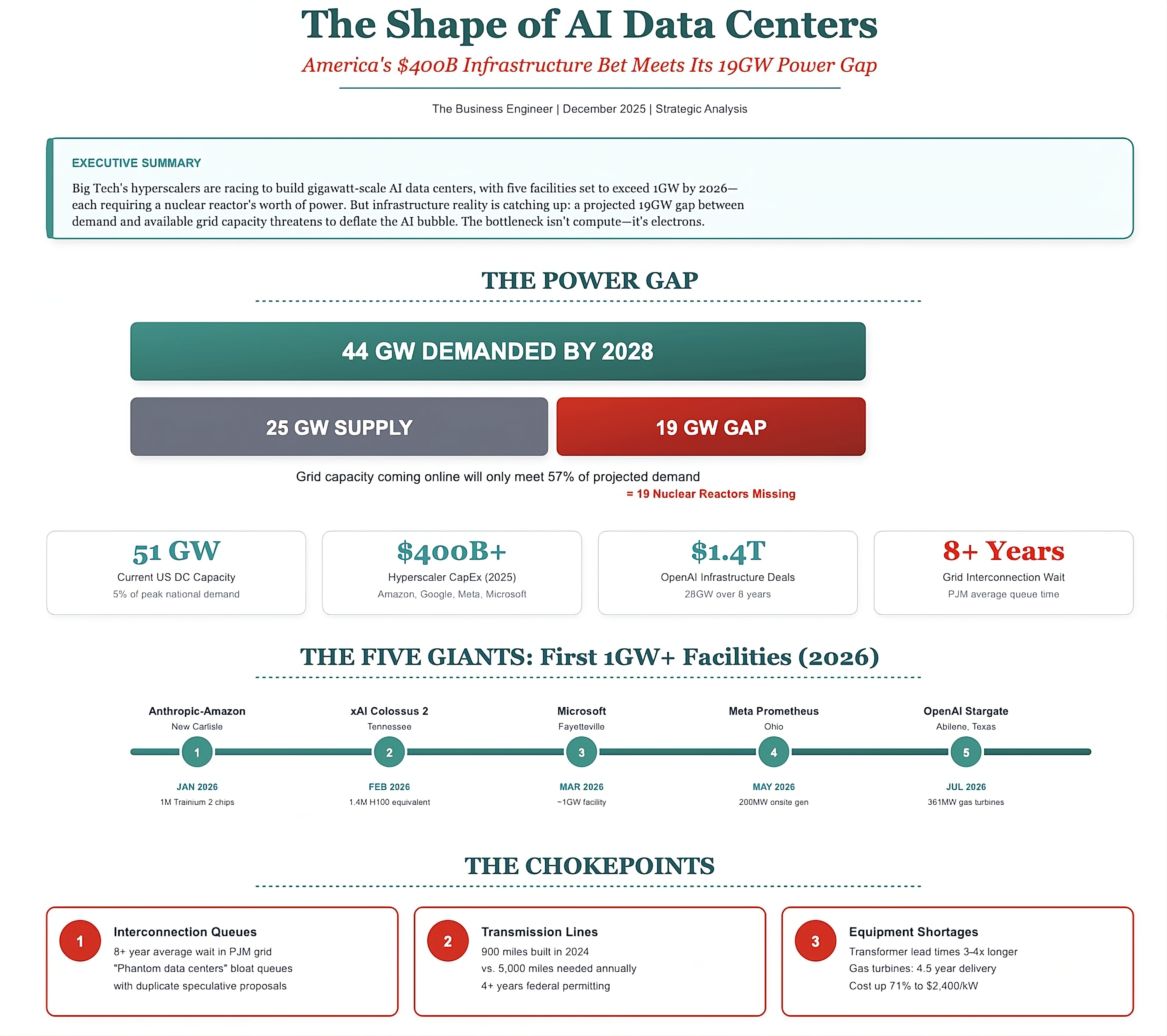
Hyperscaler earnings confirm that AI demand is now outstripping infrastructure capacity, with Amazon, Google, and Meta joining Microsoft in signaling a shift where growth is tied to power, chips, and unprecedented capital spending [per Data Center Knowledge]. This reinforces @kimmonismus' critique: without a coordinated energy and data center plan, Europe risks being bypassed as the US hyperscalers race to secure power and compute globally.