What Happened
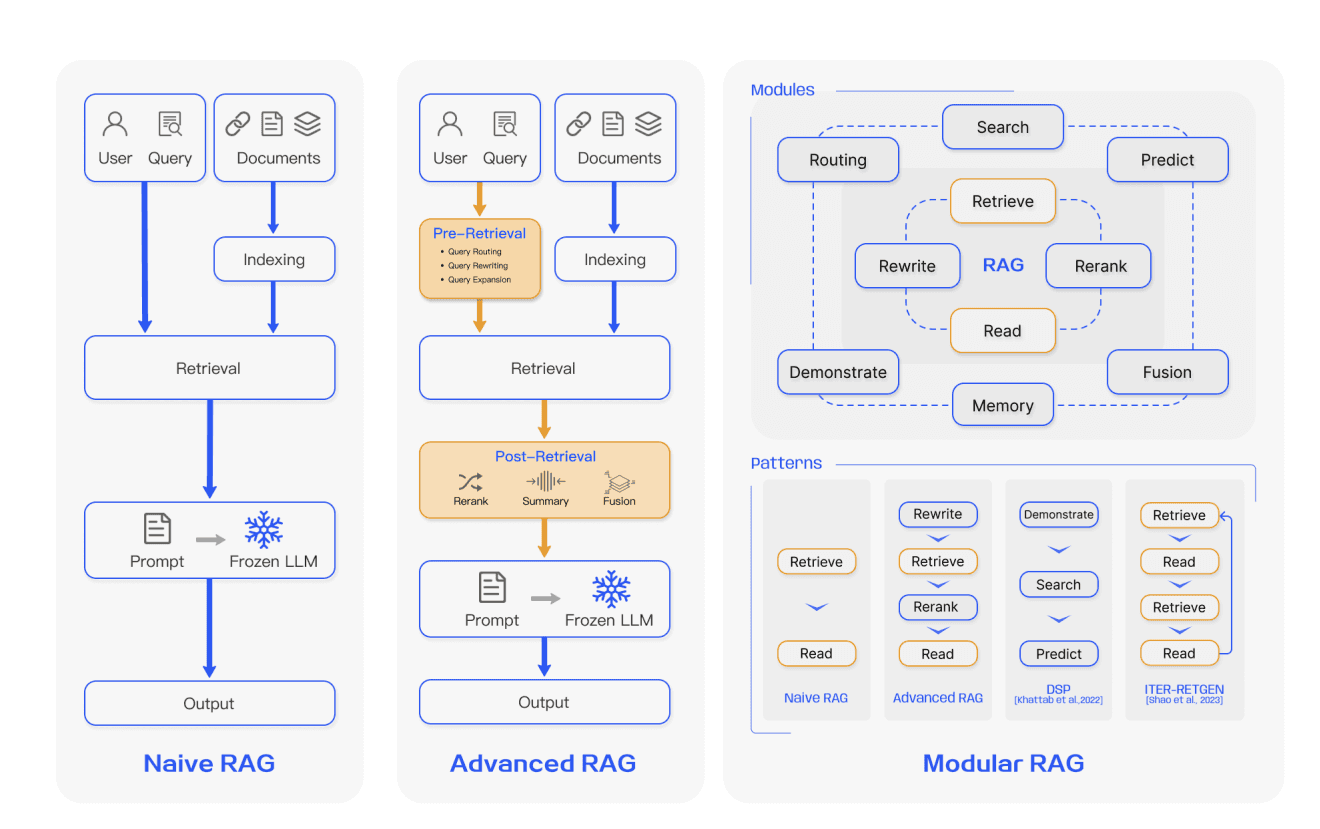
A report from The Futurum Group highlights Mistral AI's launch of a new platform, "Mistral Forge," which is positioned to take aim at the widespread adoption of Retrieval-Augmented Generation (RAG). The core narrative is not about a new model release, but a strategic push towards enabling businesses to build custom, fine-tuned models. This move directly challenges the current industry consensus that RAG is the simpler, more cost-effective starting point for most enterprise AI applications, especially those requiring up-to-date or proprietary knowledge.
The accompanying commentary from several technical articles underscores the central debate: When should a team choose fine-tuning over RAG? The consensus in these pieces suggests that many teams "get this backwards," opting for the complex and time-consuming process of fine-tuning when a well-architected RAG system could solve the problem with less upfront investment and greater flexibility. The argument is that prompt engineering is free, RAG costs infrastructure, and fine-tuning costs significant time and expertise.
Technical Details: The RAG vs. Fine-Tuning Dilemma
To understand the significance of Mistral's move, we must clarify the two approaches:
- Retrieval-Augmented Generation (RAG): This technique keeps a base LLM's knowledge static but augments its responses by retrieving relevant information from an external knowledge base (like a vector database of product manuals, past customer service logs, or brand archives) at inference time. It's highly adaptable; updating the knowledge base instantly updates the model's accessible information. It excels at tasks requiring factual accuracy from dynamic, proprietary data.
- Fine-Tuning: This process involves further training a pre-existing base LLM (like Mistral's models) on a specific, curated dataset. The model's weights are adjusted to internalize patterns, tone, and specialized knowledge from that dataset. It's powerful for mastering a specific style (e.g., a luxury brand's voice), complex reasoning within a narrow domain, or tasks where latency is critical and external retrieval is undesirable.
The trade-off is fundamental: RAG offers flexibility and easier knowledge updates; fine-tuning offers deeper domain integration and potentially lower latency, but is more rigid and expensive to iterate.
Retail & Luxury Implications
For retail and luxury AI leaders, this is a critical architectural decision. Mistral Forge's promotion of custom models suggests a bet that certain high-value use cases justify the fine-tuning path.
Where RAG Likely Wins in Retail:
- Dynamic Product Knowledge Assistants: Customer-facing chatbots that need access to real-time inventory, pricing, product specifications, and promotional terms. A RAG system connected to your PIM (Product Information Management) and CRM is inherently more maintainable.
- Internal Policy & Process Q&A: HR or operations tools that answer questions based on constantly evolving employee handbooks, supply chain protocols, or retail compliance guides.
- Personalized Recommendations with Real-Time Context: Systems that retrieve a user's past purchases, browsing history, and current cart contents to generate recommendations using a base model.
Where Fine-Tuning via a Platform Like Forge Could Be Justified:
- Brand Voice Immersion: Creating a customer service or copywriting agent that perfectly mimics a heritage brand's unique, consistent tone across all channels—something a generic model cannot achieve through prompting alone.
- Complex, Domain-Specific Reasoning: Analyzing seasonal sales data, customer sentiment, and design trends to generate strategic briefs that follow a specific analytical framework proprietary to the house.
- High-Frequency, Latency-Sensitive Tasks: Internal agentic workflows where an AI must make rapid, stylized decisions (e.g., initial triage of customer emails) without the overhead of a retrieval step.
The key is that RAG and fine-tuning are not mutually exclusive. A sophisticated system might use a lightly fine-tuned model for style and basic reasoning, augmented by a RAG layer for factual, dynamic data. Mistral Forge's emergence provides another tool for the latter part of that equation, but it does not invalidate the former.