Perceptron AI has released an open-source Model Context Protocol (MCP) server that enables AI agents—like those built with Claude Code—to perform robust optical character recognition (OCR) on physical receipts. The tool, powered by the company's Isaac family of vision models, is designed to handle the messy, real-world conditions where traditional OCR pipelines typically break.
The core problem is familiar: converting a photo of a receipt into structured data (line items, totals, dates, vendor). While OCR technology is mature, its performance degrades significantly with non-ideal inputs—crumpled paper, faded ink, poor lighting, and unconventional formatting. These are precisely the conditions encountered at scale in real-world applications like expense reporting, bookkeeping, and retail analytics.
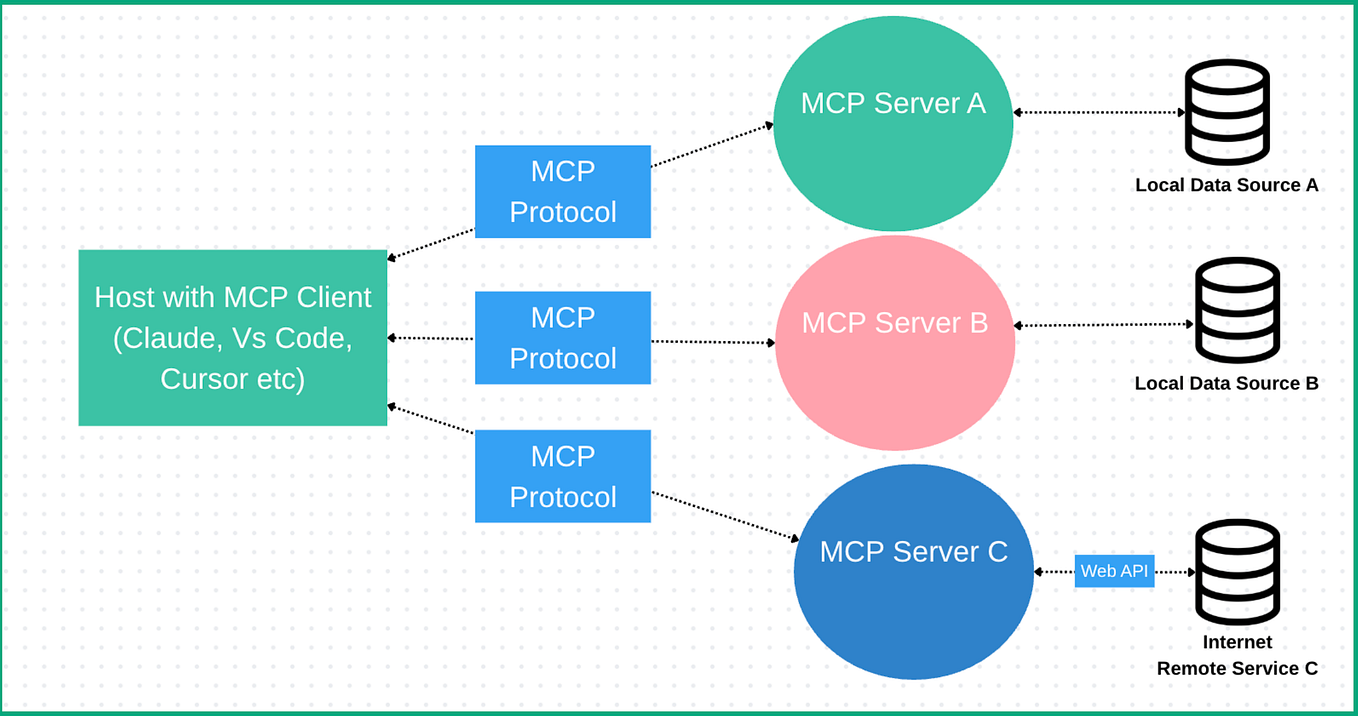
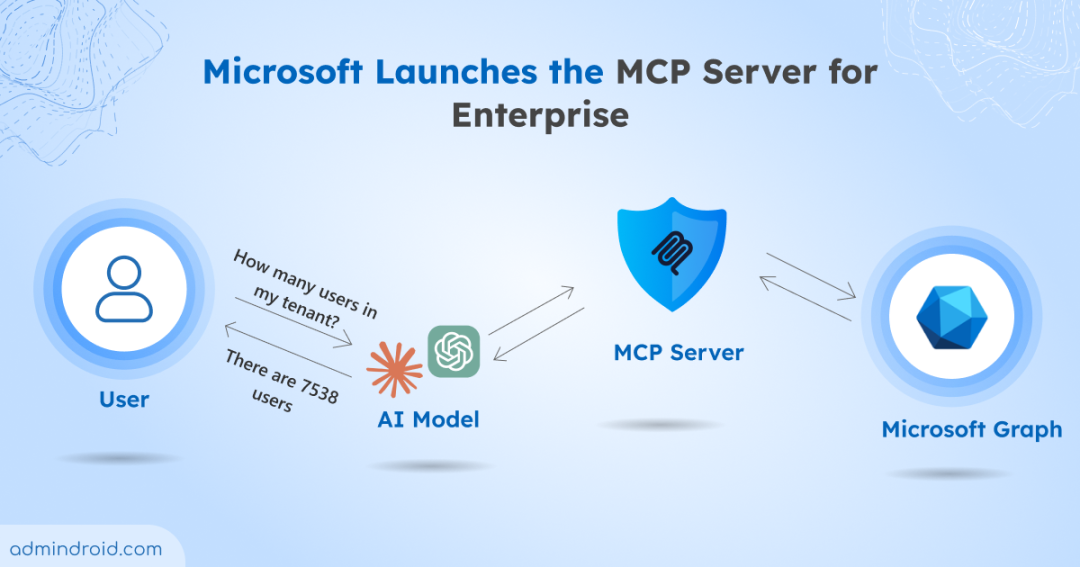
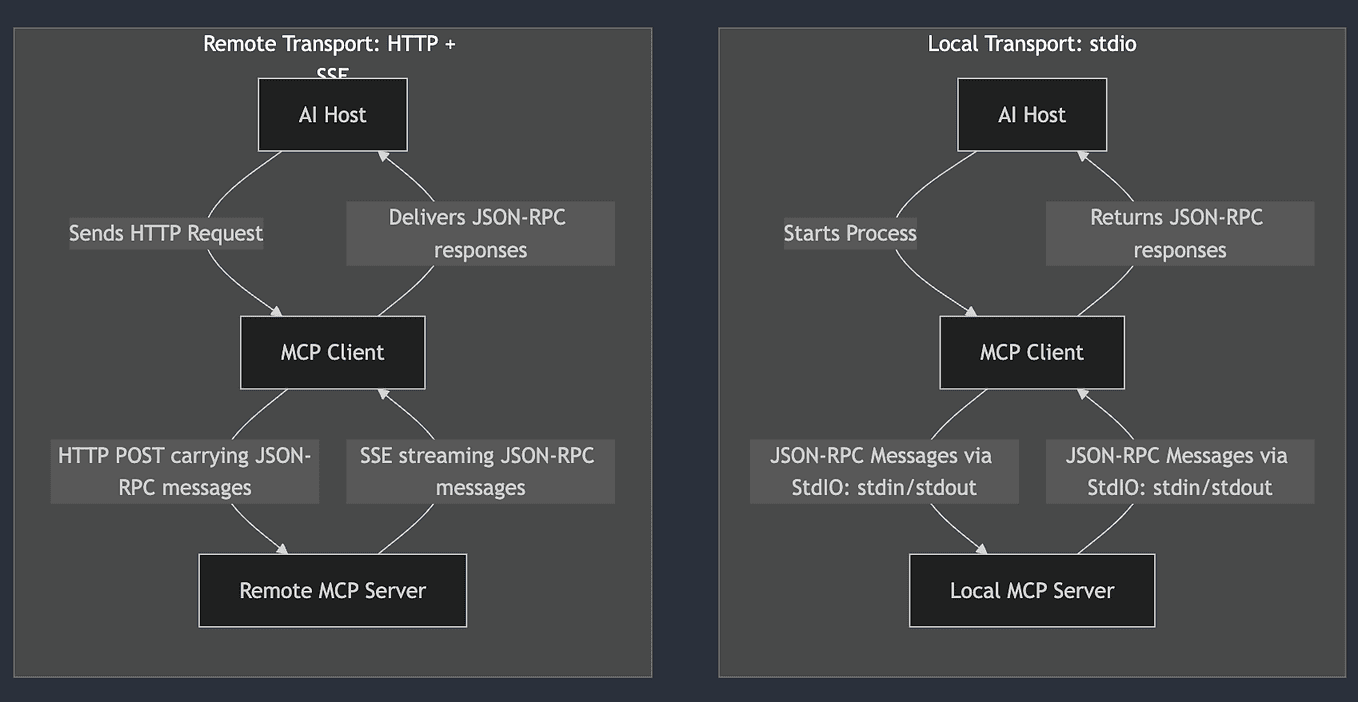
Perceptron's solution addresses this gap by deploying a vision model natively through the Model Context Protocol. MCP, developed by Anthropic, is a standard for tools to expose capabilities to AI agents in a structured way. This allows an agent using Claude Code or any MCP-compatible framework to call the Perceptron OCR function as a native tool.
What's New: An MCP Server for Real-World Document Understanding
The release is not a new OCR API or a standalone app, but an open-source MCP server. This architectural choice is significant. It allows developers to integrate robust receipt parsing directly into their AI agent workflows with a one-line install, rather than building custom integrations with a cloud API.
According to a demo shared by developer Hasan Toor (@hasantoxr), the system successfully extracted clean structured data from photos of "crumpled, faded, oddly-formatted receipts." The output is formatted as CSV, ready for programmatic analysis.
Technical Details: Isaac Models and Native MCP Integration
The perceptual heavy lifting is done by Perceptron's Isaac model family. While the tweet does not specify the exact model variant or its parameters, the Isaac family is positioned as the company's flagship vision foundation model suite, designed for general visual understanding tasks.
Key technical attributes from the announcement:
- Modality: Vision-native analysis.
- Integration: Native MCP server. Installation is claimed to be a one-line command.
- Output: Structured data (CSV) containing line items, totals, dates, and vendor information.
- License: Open source. The repository is available on GitHub.
- Target Failure Modes: Explicitly handles poor lighting, wrinkled paper, and odd formatting.
How It Compares: Moving Beyond Traditional OCR Pipelines
Traditional OCR engines (like Tesseract, AWS Textract, Google Cloud Vision) treat document understanding as a two-step process: 1) detect and recognize text, 2) (optionally) use a separate layout analysis or NLP model to structure it. This pipeline is brittle. If the text detection fails due to low contrast or curvature, the entire process fails.
Perceptron's approach, using an end-to-end vision model like Isaac, likely treats the receipt as a visual scene to be interpreted holistically. The model can use contextual cues—the spatial relationship of numbers, common receipt layouts, semantic understanding of words like "Subtotal" or "Tax"—to infer data even when individual characters are hard to decipher. This is analogous to how humans read a messy receipt.
Primary Input Image Image Core Technology Text detection + recognition, then parsing End-to-end visual scene understanding model Strength Clean, flat, well-lit documents Messy, crumpled, faded, poorly-lit real-world documents Integration API calls, SDKs MCP server for native agent tooling Access Often commercial/cloud Open-source serverWhat to Watch: The Shift to Agent-Native Tooling
The most forward-looking aspect of this launch is its form factor: an MCP server. This indicates Perceptron AI is betting on the AI agent workflow as a primary distribution channel for its models. Instead of competing solely on cloud API latency and price, they are competing on ease of integration into the emerging agent development stack.
Developers building with Claude Code or other agent frameworks can now add sophisticated, robust receipt parsing as a tool with minimal overhead. The open-source nature also allows for customization and local deployment, addressing data privacy concerns common in financial document processing.
gentic.news Analysis
This launch by Perceptron AI is a tactical move that aligns with two major, converging trends in the AI landscape. First, it targets the persistent and valuable problem of document understanding robustness. While LLMs have revolutionized text processing, the upstream task of accurately extracting that text from imperfect physical artifacts remains a challenge. Perceptron is positioning its Isaac models not as a general-purpose vision competitor to giants like OpenAI's o1 or Google's Gemini, but as a specialized solution for a high-friction, real-world use case. This follows a pattern we've seen in early 2026, where AI startups are finding traction by solving specific, painful enterprise problems with vertically-tuned models, rather than pursuing broad AGI capabilities.
Second, and perhaps more strategically, the choice to distribute via an open-source MCP server is a direct play for the burgeoning AI agent development community. The Model Context Protocol, championed by Anthropic, is rapidly becoming a standard for tool integration, much like REST APIs were for web services. By providing a high-quality tool in this format, Perceptron embeds its technology at the infrastructure layer of agentic systems. This creates a potential adoption flywheel: as more developers use the Perceptron MCP for receipt parsing, it becomes a de facto standard for that task within agent workflows, driving demand for their underlying Isaac models for other vision tasks. It also represents a competitive flanking maneuver against larger, API-only vision services from cloud providers, offering developers greater control and potentially lower latency for on-premise deployments.
Frequently Asked Questions
What is the Model Context Protocol (MCP)?
The Model Context Protocol is an open standard developed by Anthropic that allows external tools and data sources to be exposed to AI models (like Claude) in a structured, secure way. Think of it as a universal plugin system for AI agents. An MCP server, like the one released by Perceptron, makes a specific capability—in this case, receipt OCR—available to any compatible agent.
How is Perceptron's Isaac model different from Google's Vision AI or AWS Textract?
While all three aim to extract text from images, the core technology and target use case differ. Services like Vision AI and Textract are generalized OCR engines, optimized for a wide range of document types with clear, digital-origin text. Perceptron's Isaac model appears to be specifically tuned for the domain of physical receipts, using end-to-end visual understanding to maintain accuracy in sub-optimal conditions (crumples, fade, poor light) where generalized engines often fail. It's a depth-over-breadth approach.
Is the Perceptron MCP server free to use?
Yes, the MCP server itself is released as open-source software, which means you can install and run it locally at no cost. This covers the integration code and the client interface. However, running the underlying Isaac vision model may incur costs depending on how Perceptron has structured access. The model could be run locally if the weights are provided, or it might require calling a Perceptron API. The announcement tweet does not specify this detail, so developers should check the repository's documentation for the operational cost structure.
Can I use this with AI models other than Claude?
Yes. While MCP is developed by Anthropic and has deep integration with Claude Code, the protocol is open. Other AI agent frameworks and platforms are adding MCP compatibility. If your chosen framework supports MCP, you should be able to connect it to the Perceptron server to give your agents receipt-parsing capabilities.