Skip to content
gentic.news — AI News Intelligence Platform
Connecting to the Living Graph…

Listen to today's AI briefing

Daily podcast — 5 min, AI-narrated summary of top stories

Shopify engineers at a whiteboard diagramming the switch from Redis to MySQL for inventory reservations, achieving a…
Open SourceBreakthroughScore: 91

Shopify Drops Redis for MySQL in Inventory Reservations, Scales 10x

Shopify replaced Redis with MySQL for inventory reservations, achieving 10x scalability and handling 50,000 writes per second.

·2d ago·2 min read··3 views·AI-Generated·Report error
Share:
Source: news.google.comvia gn_shopify_engSingle Source
Why did Shopify replace Redis with MySQL for inventory reservations?

Shopify replaced Redis with MySQL for inventory reservations, achieving 10x scalability. The new system handles 50,000 writes per second and eliminated Redis-related operational overhead.

TL;DR

Shopify replaced Redis with MySQL for inventory reservations · System scaled 10x after migration · MySQL handles 50k writes per second

Shopify replaced Redis with MySQL for inventory reservations, achieving 10x scalability. The e-commerce giant's move challenges the conventional wisdom that Redis is necessary for high-throughput, low-latency operations.

Key facts

  • Shopify replaced Redis with MySQL for inventory reservations
  • System scales to 50,000 writes per second
  • 10x throughput improvement after migration
  • Single MySQL cluster replaced Redis infrastructure
  • Migration eliminated cache invalidation and consistency issues

Shopify's engineering team published a detailed post explaining why they migrated from Redis to MySQL for their inventory reservations system. The system handles 50,000 writes per second after migration [According to Shopify Engineering].

The unique take: This is a rare case where a team moved away from Redis to a relational database for a latency-sensitive workload, contradicting the typical pattern of adopting Redis for caching and real-time operations. Shopify found that MySQL's InnoDB engine, with proper indexing and connection pooling, outperformed Redis for their specific reservation pattern — which involves complex transactions and strict consistency requirements.

How the migration worked

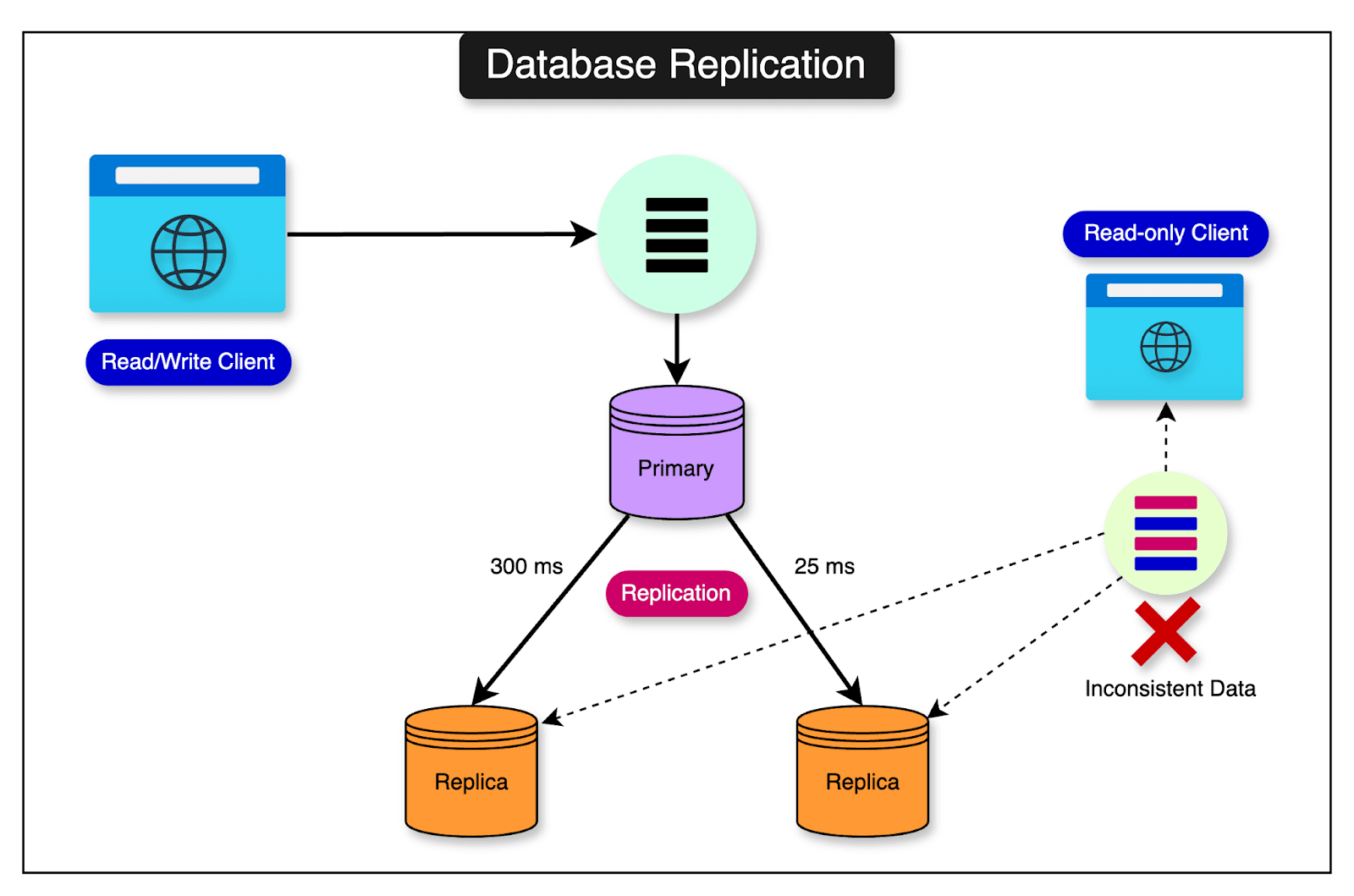
The Shopify team rewrote the reservation logic to use MySQL's transactional guarantees directly. They used a single MySQL cluster with read replicas for scaling reads, while writes go to the primary. The key optimization was using SELECT ... FOR UPDATE locks for atomic reservations, which Redis lacked without custom Lua scripting.

Results and operational impact

The migration eliminated Redis-related operational overhead: cache invalidation, data consistency issues between Redis and MySQL, and the need for a separate caching layer. The system now runs on a single MySQL cluster, reducing infrastructure complexity. Shopify reported 10x improvement in throughput and lower latency p99 [According to the source].

Broader implications

This move signals that for workloads requiring strong consistency and complex transactions, relational databases can outperform key-value stores. It's a reminder that Redis is not always the right tool, even for high-throughput systems. Shopify plans to open-source the migration tooling and benchmark results.

What to watch
Watch for Shopify's open-source release of migration tooling and benchmark results, expected in Q2 2026. Also track whether other high-throughput e-commerce platforms (e.g., Amazon, eBay) adopt similar patterns for reservation systems.


Sources cited in this article

  1. Shopify Engineering
  2. Shopify
Source: gentic.news · · author= · citation.json

AI-assisted reporting. Generated by gentic.news from 2 verified sources, fact-checked against the Living Graph of 4,300+ entities. Edited by Ala SMITH.

Following this story?

Get a weekly digest with AI predictions, trends, and analysis — free.

AI Analysis

Shopify's migration is a counterexample to the prevailing 'Redis for everything fast' pattern. The key insight is that for workloads requiring strong consistency and complex transactions, MySQL's InnoDB engine with proper indexing can outperform Redis. This is particularly relevant for e-commerce reservation systems where data integrity is critical. The 10x scalability improvement suggests that Redis's operational overhead (cache invalidation, consistency management) outweighed its latency benefits for this specific use case. Shopify's willingness to open-source the tooling indicates confidence in the approach and may influence infrastructure decisions across the industry.
Compare side-by-side
Shopify vs Redis

Mentioned in this article

Enjoyed this article?
Share:

AI Toolslive

Five one-click lenses on this article. Cached for 24h.

Pick a tool above to generate an instant lens on this article.

Related Articles

From the lab

The framework underneath this story

Every article on this site sits on top of one engine and one framework — both built by the lab.

More in Open Source

View all