A new wave of AI transformation is approaching corporate finance departments, promising changes as profound as those coding copilots brought to software engineering. According to AI commentator Rohan Paul, autonomous AI agents are about to fundamentally reshape how financial operations are conducted, potentially automating processes worth billions in the fintech sector.
The Coding Copilot Parallel
The comparison to coding copilots is particularly revealing. Just as GitHub Copilot, Amazon CodeWhisperer, and similar tools have transformed software development by suggesting code, automating repetitive tasks, and helping developers work more efficiently, AI agents are positioned to bring similar productivity gains to finance departments. These tools didn't eliminate software engineers but rather augmented their capabilities and changed their workflows. The same pattern appears likely to emerge in finance.
Coding copilots succeeded because they understood context, learned from existing codebases, and could generate meaningful suggestions based on patterns. Finance departments operate on similar principles—repetitive tasks, complex regulations, data analysis, and reporting requirements that follow predictable patterns. The leap from code generation to financial process automation represents a natural evolution of AI capabilities.
What Are AI Agents in Finance?
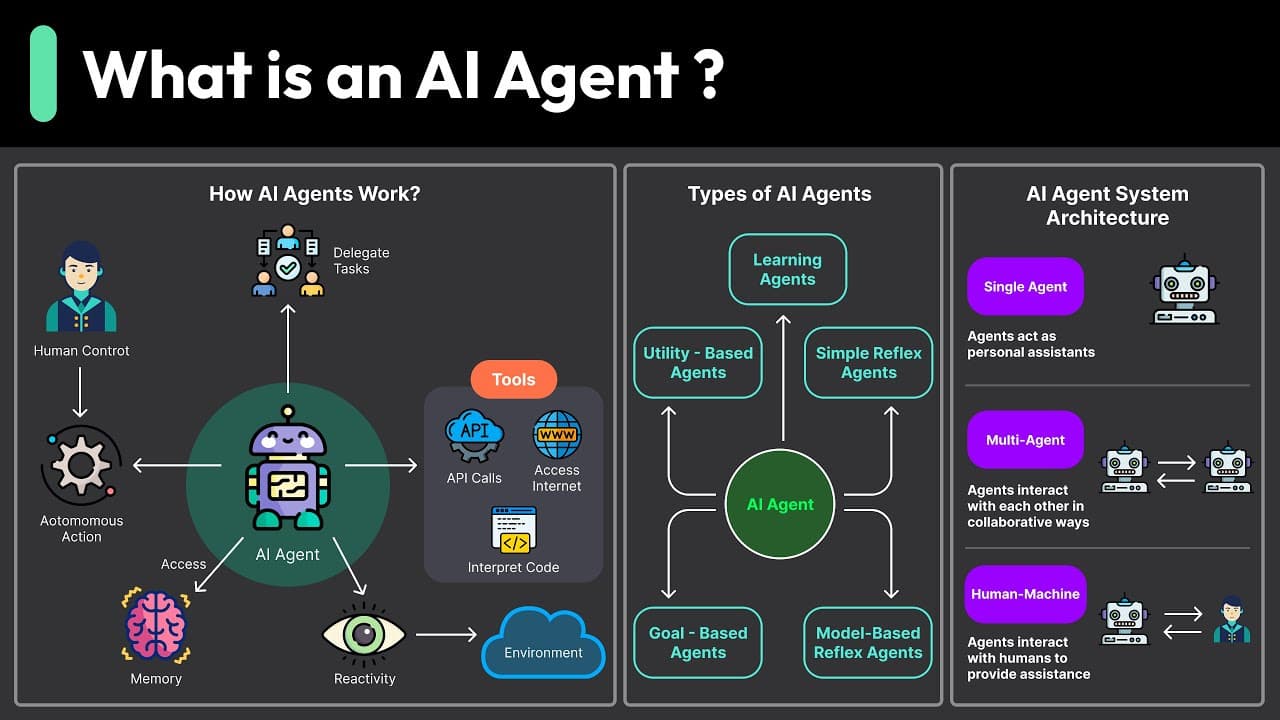
AI agents differ from traditional automation tools in their ability to operate semi-autonomously, make decisions within defined parameters, and learn from outcomes. In finance departments, these agents could handle everything from invoice processing and expense management to financial reporting, compliance monitoring, and even strategic analysis.
The reference to "an $8B fintech process" suggests specific, high-value financial operations that are ripe for automation. This could include payment processing, loan underwriting, fraud detection, or regulatory compliance—areas where fintech companies have already invested heavily in technology but where human oversight remains essential.
The Transformation Timeline
Unlike previous waves of financial automation that focused on simple rule-based tasks, AI agents can handle complexity and ambiguity. They can read documents, interpret regulations, analyze financial data, and make recommendations—all while learning from each interaction. This represents a significant advancement over traditional robotic process automation (RPA), which required explicit programming for every scenario.
The transformation won't happen overnight, but the trajectory appears similar to coding copilots: initial skepticism, followed by gradual adoption, and eventually becoming standard tools that finance professionals wonder how they ever worked without.
Implications for Finance Professionals
Just as coding copilots changed but didn't eliminate software engineering jobs, AI agents will likely transform rather than replace finance professionals. The most immediate impact will be on routine tasks: data entry, reconciliation, basic reporting, and compliance checks. This could free finance teams to focus on higher-value activities like strategic analysis, business partnership, and complex decision-making.
However, the skill sets required in finance departments will inevitably shift. Understanding how to work with AI agents, interpret their outputs, and manage their operations will become essential competencies. Finance professionals who can leverage these tools effectively will find themselves at a significant advantage.
Challenges and Considerations
The implementation of AI agents in finance comes with substantial challenges. Financial data is sensitive, regulations are complex and constantly evolving, and mistakes can have serious consequences. Ensuring these systems are secure, compliant, and transparent will be critical.
There are also organizational challenges: changing established workflows, training teams, and managing the transition from human-led to AI-augmented processes. Companies that navigate this transition successfully will likely see significant competitive advantages in efficiency, accuracy, and strategic insight.
The Broader Fintech Impact
The mention of fintech specifically is telling. Fintech companies have been at the forefront of financial innovation, often moving faster than traditional institutions. If AI agents can automate $8B worth of processes in this sector, the implications for traditional banking and corporate finance could be even larger.
This development represents another step in the ongoing digitization of finance, where technology increasingly handles operational complexity while humans focus on strategy, relationships, and judgment calls that require emotional intelligence and ethical consideration.
Source: Rohan Paul via X/Twitter