Key Takeaways
- The Very Group partners with UiPath to deploy agentic AI for pricing across its brands, aiming for faster, transparent decisions.
- The system autonomously adjusts prices in real time.
What Happened
The Very Group, the UK-based digital retailer behind brands such as Very and Littlewoods, has entered a partnership with UiPath to deploy agentic AI for pricing decisions. The initiative, first reported by Retail Week and Drapers, marks one of the earliest production deployments of agentic AI in retail pricing.
Unlike traditional rule-based or static ML pricing models, the agentic AI system will operate autonomously — analysing market conditions, competitor pricing, demand signals, and inventory levels in real time, then executing price changes without human intervention. The goal is to move from manual, periodic pricing reviews to continuous, automated optimisation.
Technical Details
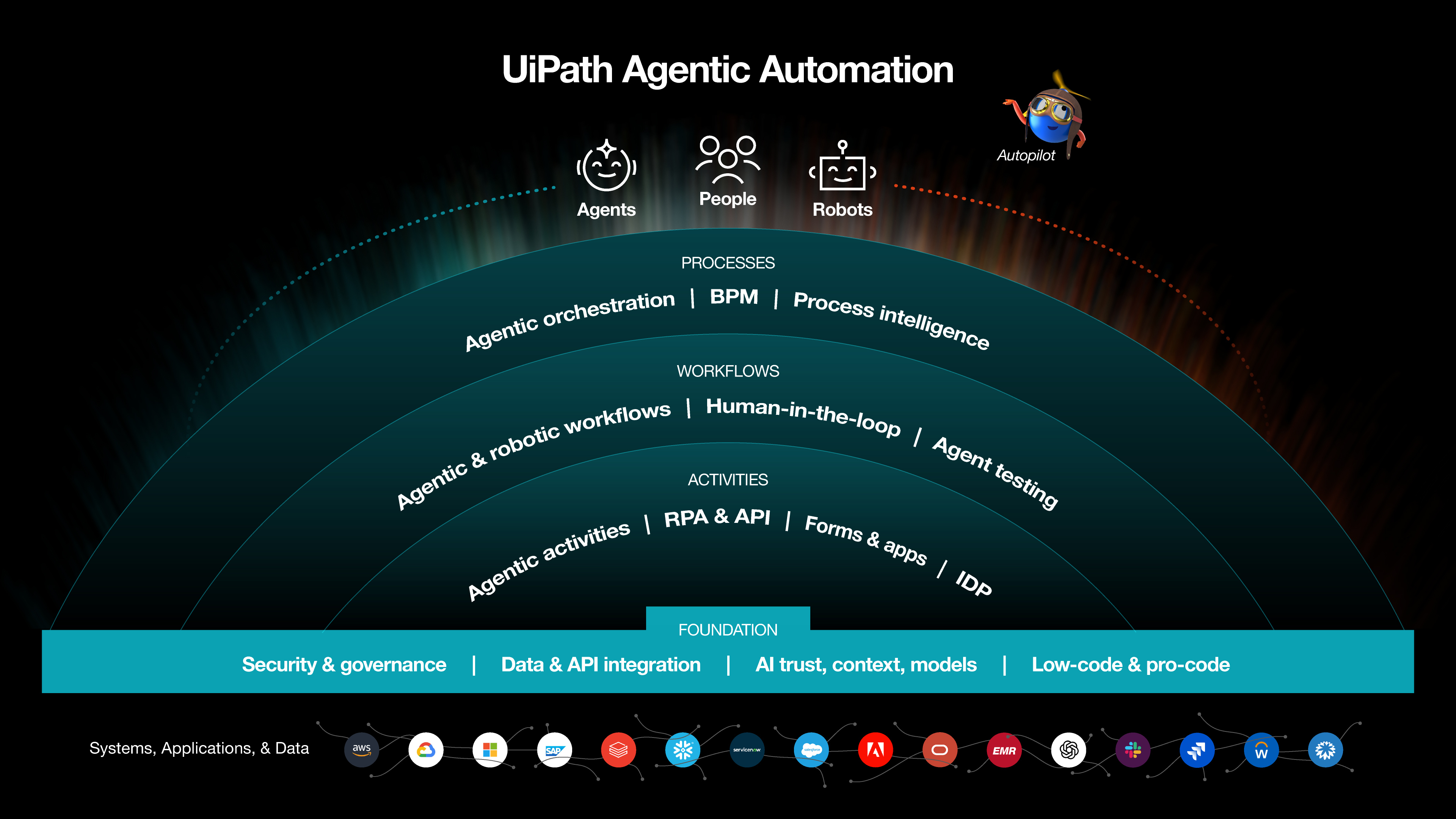
UiPath's agentic AI platform provides the underlying infrastructure. The system uses AI agents that can reason about pricing decisions, access multiple data sources (market data, competitor feeds, internal inventory systems), and take action — updating prices across the Very Group's e-commerce properties.
Key technical features include:
- Autonomous decision-making: Agents evaluate pricing rules and market conditions without human hand-holding.
- Real-time data ingestion: Continuous feeds from competitor pricing, demand forecasts, and stock levels.
- Explainability: The agentic approach aims to make pricing decisions more transparent than black-box ML models.
- Integration with existing systems: UiPath's platform connects to the Very Group's existing commerce and ERP infrastructure.
Retail & Luxury Implications
For retail and luxury AI practitioners, this deployment is significant for several reasons:
Production agentic AI in retail: While many retailers experiment with AI agents in controlled environments, The Very Group is putting them in charge of pricing — a high-stakes, revenue-critical function. This signals growing trust in agentic systems.
Pricing as a proving ground: Pricing is a natural first use case for agentic AI in retail because it involves clear rules, measurable outcomes, and frequent decisions. Success here could accelerate adoption in merchandising, supply chain, and customer service.
Transparency emphasis: The Very Group explicitly cites "more transparent decision-making" as a goal. This matters for luxury and premium retailers who worry about brand erosion from opaque pricing algorithms.
UiPath's positioning: UiPath, known for robotic process automation (RPA), is pivoting into agentic AI. This partnership validates that pivot and suggests that retail enterprises may prefer working with established automation vendors rather than AI-native startups.
Business Impact
Neither The Very Group nor UiPath has disclosed specific financial targets or pilot results. However, the implications are clear:
- Speed: Agentic AI can adjust prices in seconds rather than days, enabling real-time response to market shifts.
- Scale: Automated pricing across thousands of SKUs, multiple brands, and dynamic market conditions becomes feasible without proportional headcount growth.
- Margin protection: More responsive pricing can reduce discounting waste and protect margins during demand fluctuations.
For luxury and premium retailers, the lesson is not about adopting the same approach — but about understanding that agentic AI for pricing is now production-ready. The question is no longer "if" but "how" and "with what safeguards."
Governance & Risk Assessment
Agentic AI in pricing raises specific governance concerns:
- Brand consistency: Autonomous price changes must align with brand positioning. A luxury brand cannot have an AI agent discounting products in a way that damages perceived value.
- Regulatory compliance: Pricing algorithms must avoid collusion, price fixing, or discriminatory pricing. The Very Group's emphasis on transparency is a step in the right direction.
- Human oversight: Even autonomous agents need guardrails — monitoring dashboards, override mechanisms, and clear escalation paths.
Maturity level: This is an early production deployment. Expect iterative refinement before the approach becomes standard practice across retail.
Source: news.google.com