Google VP Robby Stein told @kimmonismus that AI-native Search costs more per query but grows total volume. He previously built Instagram Stories and Reels.
Key facts
- Robby Stein is Google VP of Product for Search
- He previously built Instagram Stories, Reels and Close Friends
- AI Mode breaks complex questions into multiple searches
- AI search costs more per query than traditional search
- Search volume is growing, not shrinking, with AI answers
Google Search is becoming AI-native, according to VP of Product Robby Stein in an interview with @kimmonismus at Google I/O. Stein, who previously helped build Instagram Stories, Reels and Close Friends, now leads core Google Search products including AI Overviews, AI Mode, Lens and ranking.
The cost reality of AI search
Stein confirmed that AI search is much more expensive to run than traditional search [per @kimmonismus]. The computational cost per query rises significantly because AI Mode breaks complex questions into multiple searches behind the scenes — a technique Stein described as central to handling multi-step reasoning queries that traditional keyword search couldn't answer well.
Volume growth, not cannibalization
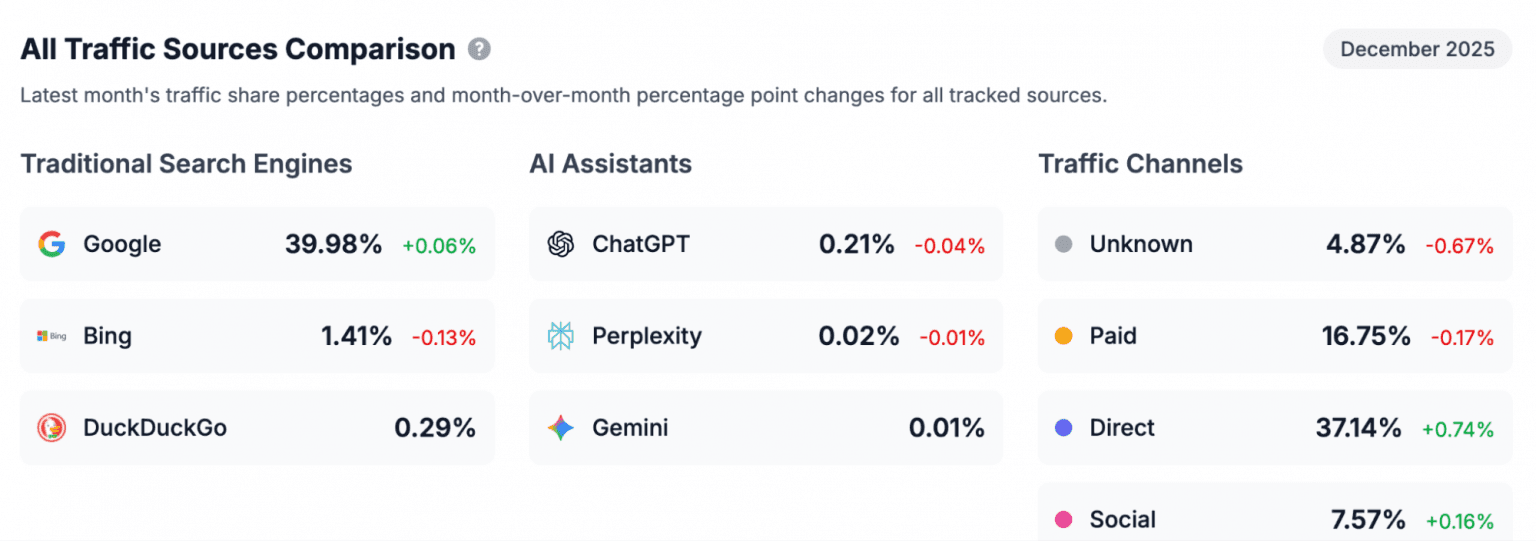
Contrary to fears that AI answers would reduce search traffic, Stein said Search volume is growing instead of being cannibalized by AI [per @kimmonismus]. Google's internal data shows users are running more queries, not fewer, as AI Overviews and AI Mode handle questions that previously went unasked or yielded poor results.
The publisher tension remains unresolved
The big question behind the whole conversation: if Google gives you the answer directly, what happens to the link-based web? Stein acknowledged the tension between great AI answers and traffic for publishers. Google decides which sources and links to show, but he didn't disclose specific publisher revenue-sharing or attribution metrics [per @kimmonismus].
Infrastructure moat
Stein argued that Google's TPUs and infrastructure give it an advantage no one else can match in running AI-native search at scale. He didn't provide cost-per-query comparisons against competitors like Perplexity or OpenAI's SearchGPT, but the implication is clear: Google's custom silicon and decades of search infrastructure create an economic barrier.
Key Takeaways
- Google VP Robby Stein says AI-native Search costs more but grows volume.
- AI Mode breaks queries into sub-searches.
What to watch

Watch for Google's next earnings call (expected late July 2026) for any disclosure of AI Mode query volume or cost-per-query metrics. Also watch for publisher traffic data from third-party analytics firms like Similarweb to validate Stein's claim that AI answers don't cannibalize clicks.