What Changed — Anthropic's New Certification Program
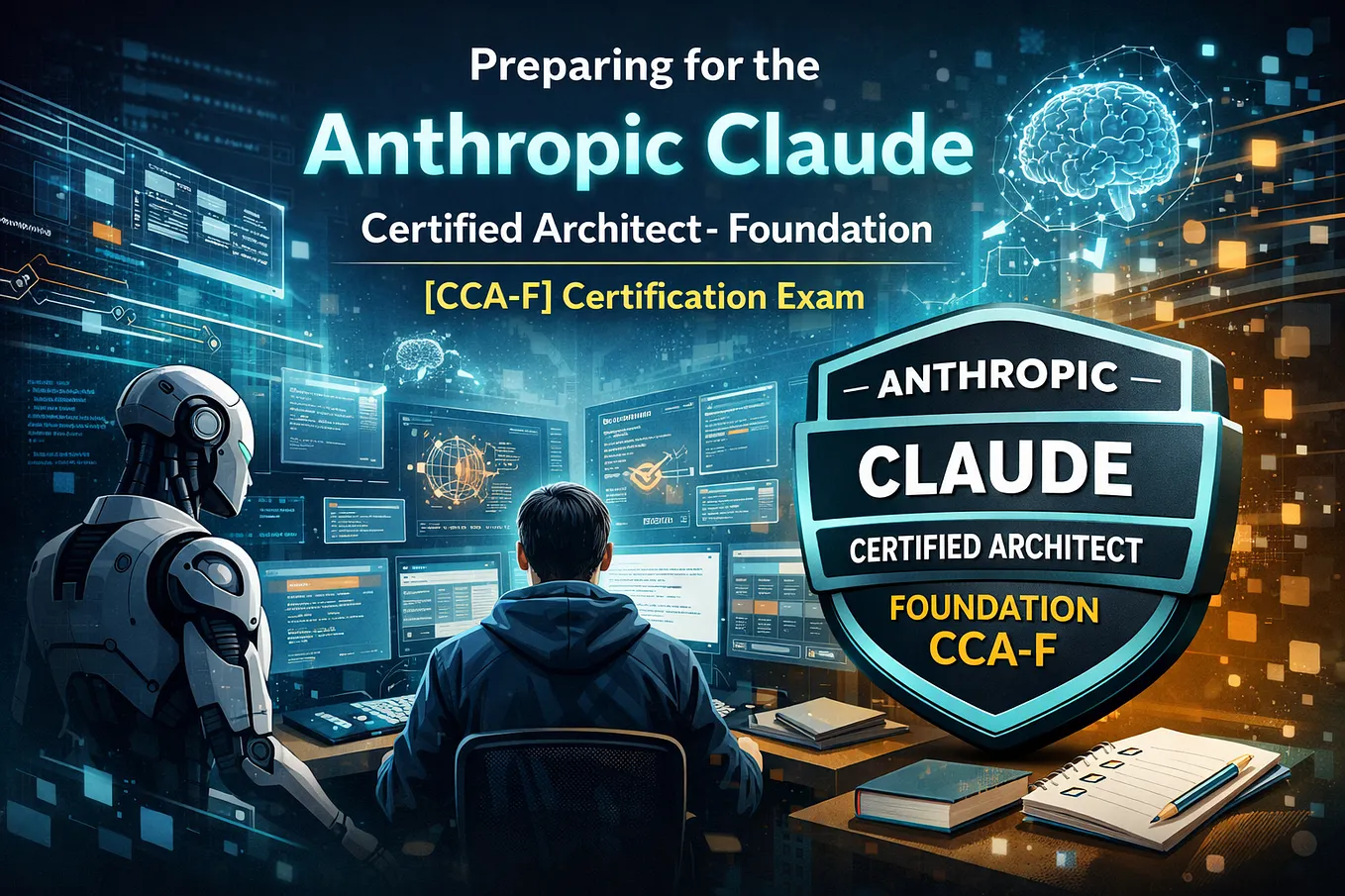
Anthropic has launched a formal certification program for Claude, with the Claude Certified Associate — Foundations (CCAO-F) as the entry-level exam. This isn't just another certificate to tack onto your LinkedIn — it's a structured way to prove you understand Claude's capabilities, safety mechanisms, and practical applications.
For Claude Code users, this certification validates that you know how Claude works under the hood, which directly impacts how you prompt, configure, and debug your coding workflows.
What It Means For You
If you use Claude Code daily, the CCAO-F exam covers concepts you already encounter:
- Constitutional AI: How Claude's safety training affects code generation and refusal patterns
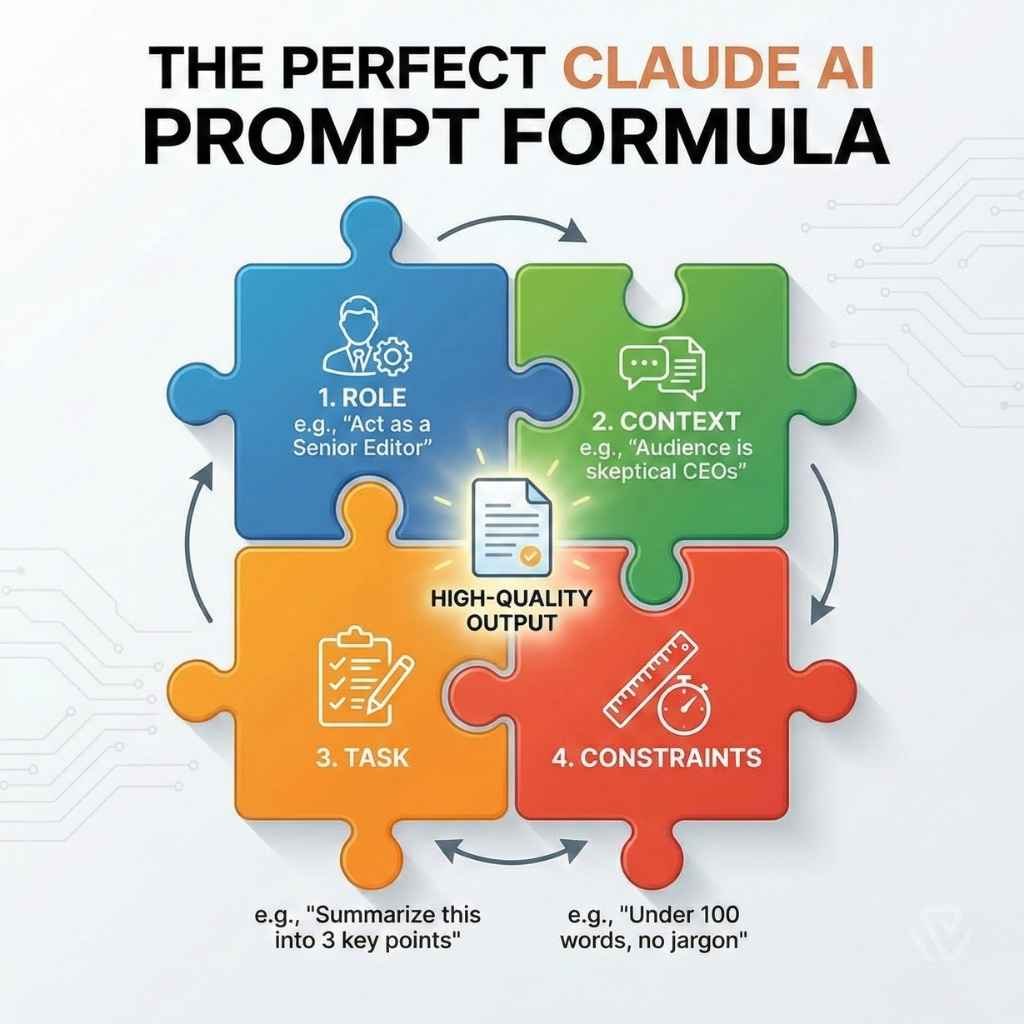
- Prompt engineering: Techniques that translate directly to better CLAUDE.md files and task descriptions
- Model architecture: Understanding context windows, token limits, and why Claude sometimes says "I can't do that"
- Use case identification: Knowing when to use Claude vs. other tools in your stack
Passing this exam signals to employers and clients that you can effectively leverage Claude in production environments — not just ask it to write a sorting algorithm.
Try It Now — Study Plan for CCAO-F
Step 1: Official Documentation
Start with Anthropic's own docs. The exam draws heavily from:
- Anthropic's documentation portal — read the getting started guides, model overviews, and safety sections
- Constitutional AI paper — understand the principles, not every detail
- Prompt engineering guide — focus on chain-of-thought, role prompting, and multi-turn patterns
Step 2: Key Concepts to Master
Based on the exam structure described in study guides:
Model capabilities What each Claude model (Haiku, Sonnet, Opus) excels at Choosing the right model for code review vs. generation Safety features Constitutional AI, harmlessness training Understanding why Claude Code refuses certain prompts Prompt engineering System prompts, few-shot, chain-of-thought Writing effective CLAUDE.md instructions Use cases Code generation, analysis, summarization, RAG Knowing when to use Claude Code vs. chat Limitations Context windows, hallucination risks, bias Setting realistic expectations for coding tasksStep 3: Practice Tests
Several study guides recommend taking practice exams. Search for "CCAO-F practice test" or check Anthropic's certification page for sample questions. Focus on:
- Scenario-based questions ("What would you do if Claude refuses a valid request?")
- Conceptual understanding ("Explain how constitutional AI works")
- Best practices ("How should you structure a prompt for code generation?")
Step 4: Real-World Application
The best preparation is using Claude Code daily. As you work, ask yourself:
- Why did Claude Code choose this approach over another?
- How does the context window affect my task splitting?
- When should I use
/compactor other flags?
What's NOT on the Exam
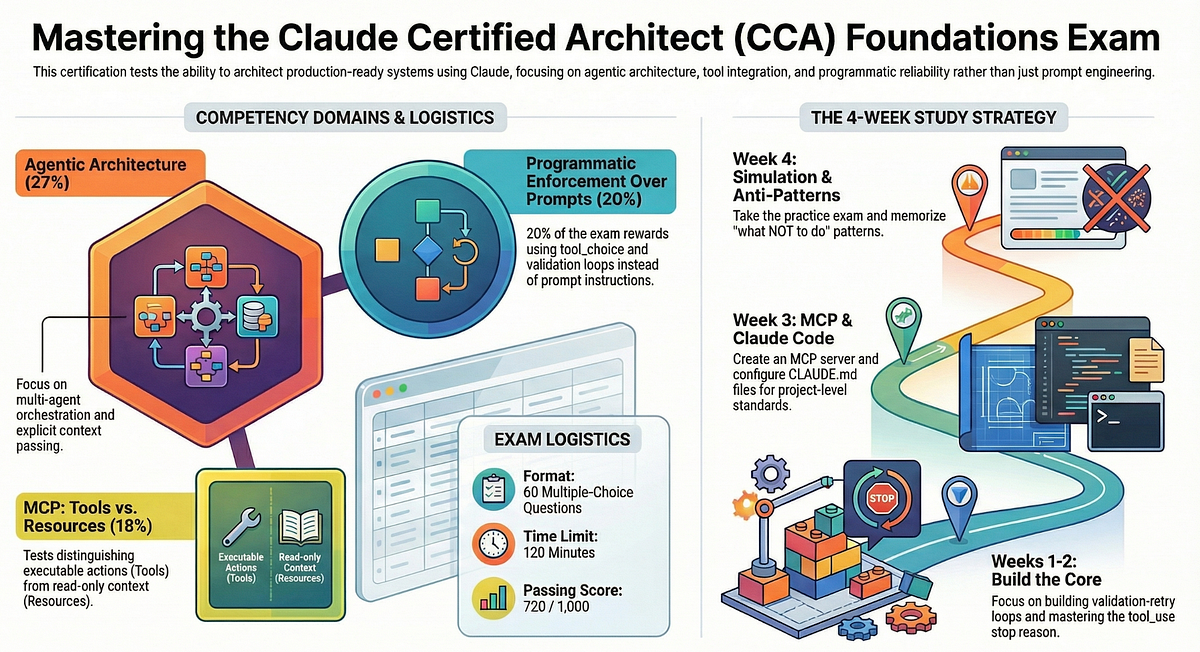
Don't waste time on:
- Deep technical details of model training
- Benchmarks and performance metrics
- Competitor comparisons (this is about Claude, not GPT-4 or Gemini)
- Advanced MCP or tool configuration
The exam is "Foundations" — it tests broad understanding, not niche expertise.
Cost and Logistics
From the study guides:
- Cost: Approximately $150 (check Anthropic's site for current pricing)
- Format: Online, proctored, multiple-choice
- Duration: 60-90 minutes
- Validity: Certification is valid for 2 years
Final Tip
Don't cram. The exam tests conceptual understanding, not memorization. If you use Claude Code daily and have read the official docs, you're likely already prepared. Take a practice test to identify gaps, then review those specific topics.
For Claude Code users specifically, focus on the prompt engineering and safety sections — these directly impact your daily workflow and are the most likely to trip up experienced developers who assume they already know everything.
Source: medium.com
[Updated 17 Jul via devto_claudecode]
A new analysis by Skillselion, a directory tracking real installs of Claude Code extensions, reveals a stark gap: agent-security skills lag far behind code-security tools. The firebase-security-rules-auditor has 71,873 installs, while Trail of Bits' seatbelt-sandboxer — which confines agent processes on macOS — has only 3,085. A prompt-injection scanner has just 222 installs [per Skillselion]. With over 61,000 skills in the catalog and no built-in audit or lockfile, the ecosystem mirrors npm's pre-audit era, the analysis warns.