A Cloudflare Workers-hosted MCP server now gives AI agents metered B2B lead enrichment with Zod-validated tools. The endpoint at lead-enrichment-mcp.agent-infra.workers.dev charges only when a confidenceScore exceeds 0.6.
Key facts
- Billing triggers only when confidenceScore > 0.6
- Endpoint hosted at lead-enrichment-mcp.agent-infra.workers.dev
- Stripe example returns confidenceScore of 0.98
- Uses Zod schema annotations for JSON-RPC validation
- Free API key tier offered via Cloudflare Workers
The Model Context Protocol ecosystem just gained a production-oriented B2B lead enrichment server, hosted on Cloudflare Workers and designed for autonomous SDR swarms. The server exposes structured tools directly to the protocol, giving LLM agents real-time access to firmographics, technographics and intent signals without the latency of custom middleware per the source post on dev.to.
The core architectural decision here is the Risk-Free Metered Billing model. Rather than charging per request, the server only bills when an enrichment returns a confidenceScore greater than 0.6. Queries that fail to find a high-quality match are marked "low quality" and cost $0. This is a direct counter to the primary cost driver in agentic workflows: hallucinated or low-value data lookups. For a swarm looping through thousands of domains, the difference between per-request and per-successful-enrichment billing is the difference between a budget that burns and one that scales.
Key Takeaways
- A Cloudflare Workers-hosted MCP server gives AI agents metered B2B lead enrichment, billing only when confidenceScore exceeds 0.6.
- The Zod-validated tools target hallucination and cost control in autonomous SDR swarms.
Confidence as a billing primitive
The confidenceScore (0.0 - 1.0) returned by every enrich_lead call serves dual duty: it gates billing and it gates agent decision-making. An agent can autonomously decide whether to proceed with a lead or seek further verification based on the score. In the example payload, Stripe, Inc. returns a 0.98 confidence score with intent signals like "High: Expanding enterprise sales team" and "Recent: New payment orchestration product." The server flags isMetered: true on successful enrichments.
Zod validation against hallucinations
Every tool in the MCP server uses strict Zod schema annotations to force the model to adhere to precise JSON-RPC specifications. This is a practical mitigation against LLM hallucinations producing invalid API calls — a known failure mode in production agent deployments, as documented across the MCP ecosystem since Anthropic introduced the protocol in November 2024. The Zod layer doesn't eliminate hallucinated content, but it does prevent malformed requests from reaching the data backend.
Deployment specifics

The server is configured via claude_desktop_config.json or Cursor's MCP settings, running through @modelcontextprotocol/server-http with an ENRICHMENT_API_KEY environment variable. The company behind it — the source does not name an organization, only the endpoint — offers a free API key tier. The source does not disclose the per-enrichment price, the data provider behind the firmographics, or the latency characteristics of the Workers deployment.
The structural take
This is part of a broader pattern: MCP is moving from a connectivity standard to a commercial billing surface. When a protocol starts carrying metering logic and confidence thresholds that gate payment, it stops being just an integration layer and becomes an economic layer. That's a meaningful shift for anyone building agentic infrastructure, because it means the protocol itself is now encoding trust and value semantics — not just data plumbing.
What to watch
Watch for the company behind the endpoint to publish per-enrichment pricing and data source attribution. If the free tier drives meaningful adoption, expect competitor MCP servers to adopt similar confidence-gated billing models within the next quarter.
Source: dev.to
[Updated 19 Aug via devto_mcp]
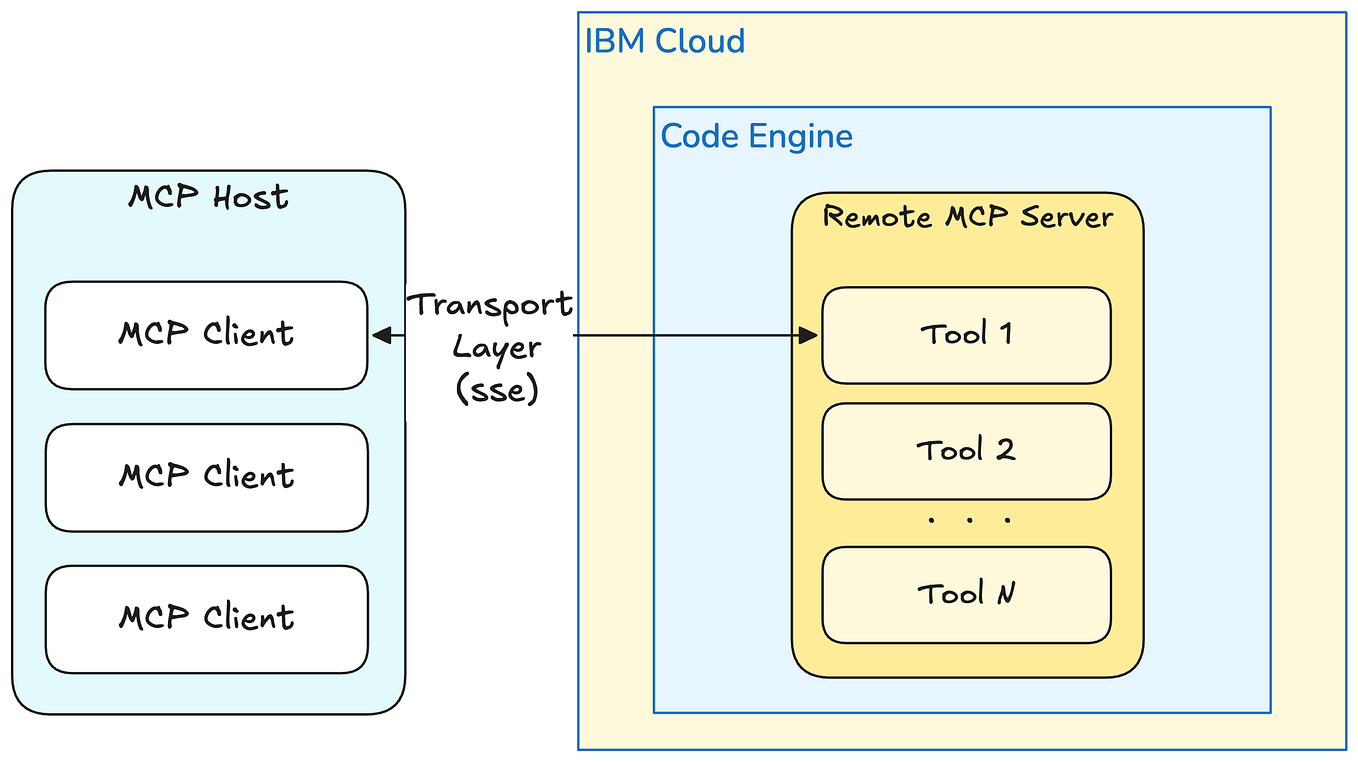
The July 2026 stateless MCP spec formalizes remote tooling over SSE/HTTP POST, enabling a new payment layer: the x402 protocol uses HTTP 402 responses with cryptographic settlement (Solana USDC, Base L2) for sub-second per-call micropayments, bypassing API keys and human onboarding. [per dev.to] This contrasts with the existing confidence-gated billing model, which still relies on API keys and monthly tiers. The x402 approach could complement or supersede such metering, offering zero-friction machine-negotiated settlement for agentic workflows.