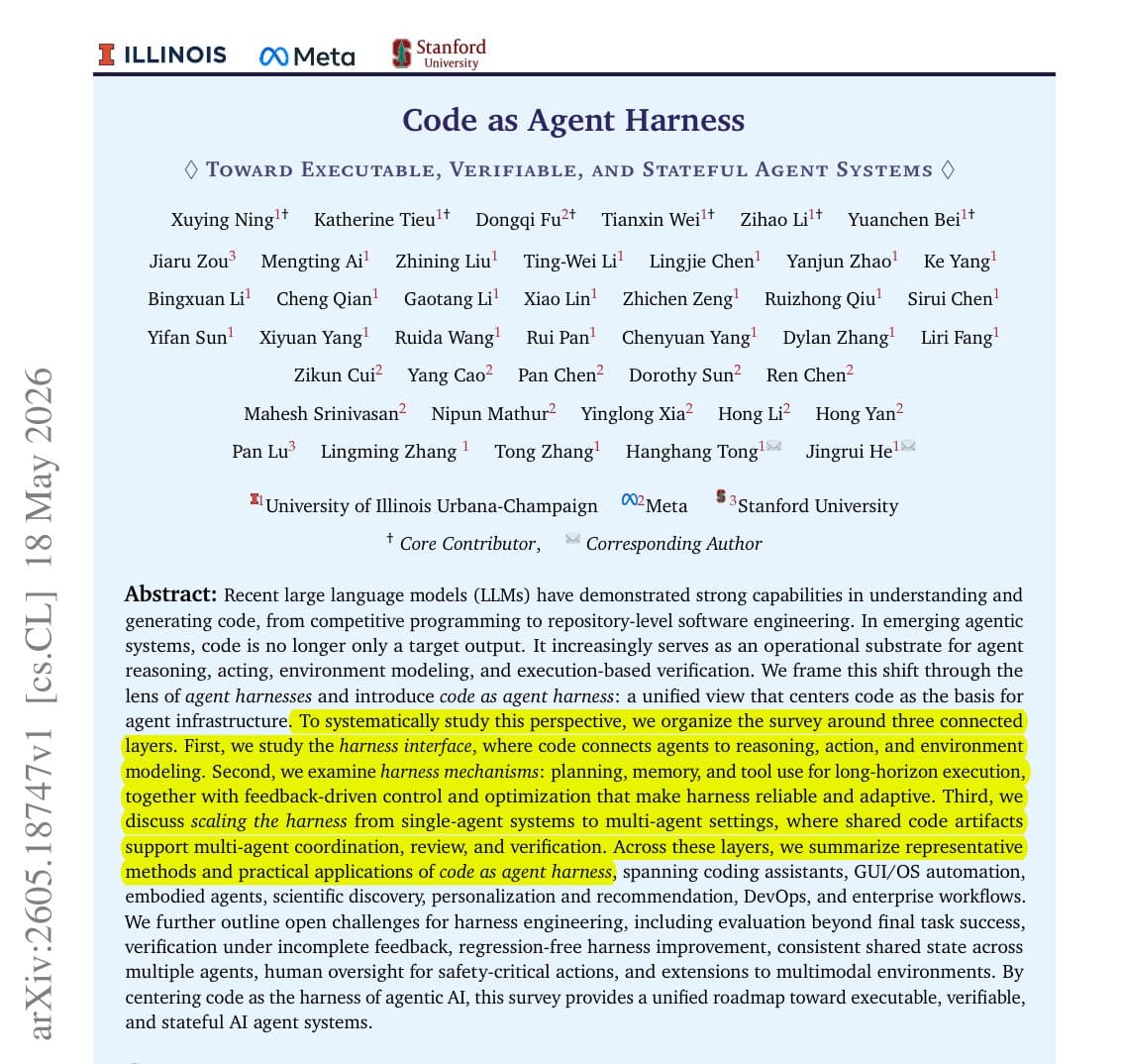
A survey from Meta, Stanford, and Illinois argues AI agents work better when code becomes their main working layer. The authors call the surrounding system an agent harness, shifting focus from text prediction to executable reasoning.
Key facts
- arXiv paper 2605.18747.
- Authors from Meta, Stanford, and Illinois.
- Agent harness includes tools, memory, sandboxes.
- Code as environment for reasoning, not just output.
- Pattern across multiple AI agent systems observed.
The paper, titled 'Code as Agent Harness' and posted on arXiv (2605.18747), synthesizes a pattern across multiple AI agent systems: code is not just an output but the environment in which the agent thinks. The authors argue that an LLM by itself is mostly a text predictor, so long tasks can lose state, hide mistakes, and turn plans into actions in fragile ways. The real advance is not 'AI writes code,' but 'AI uses code as the environment it thinks inside.'
The Agent Harness Concept
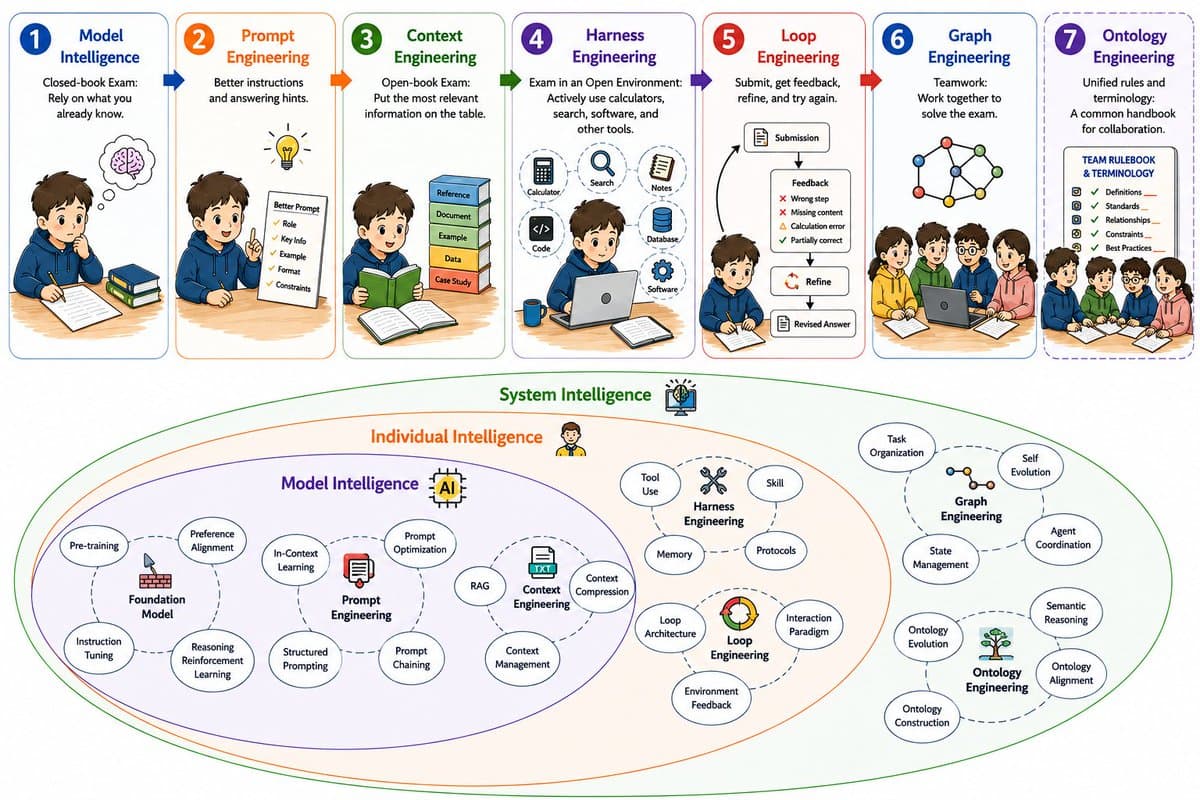
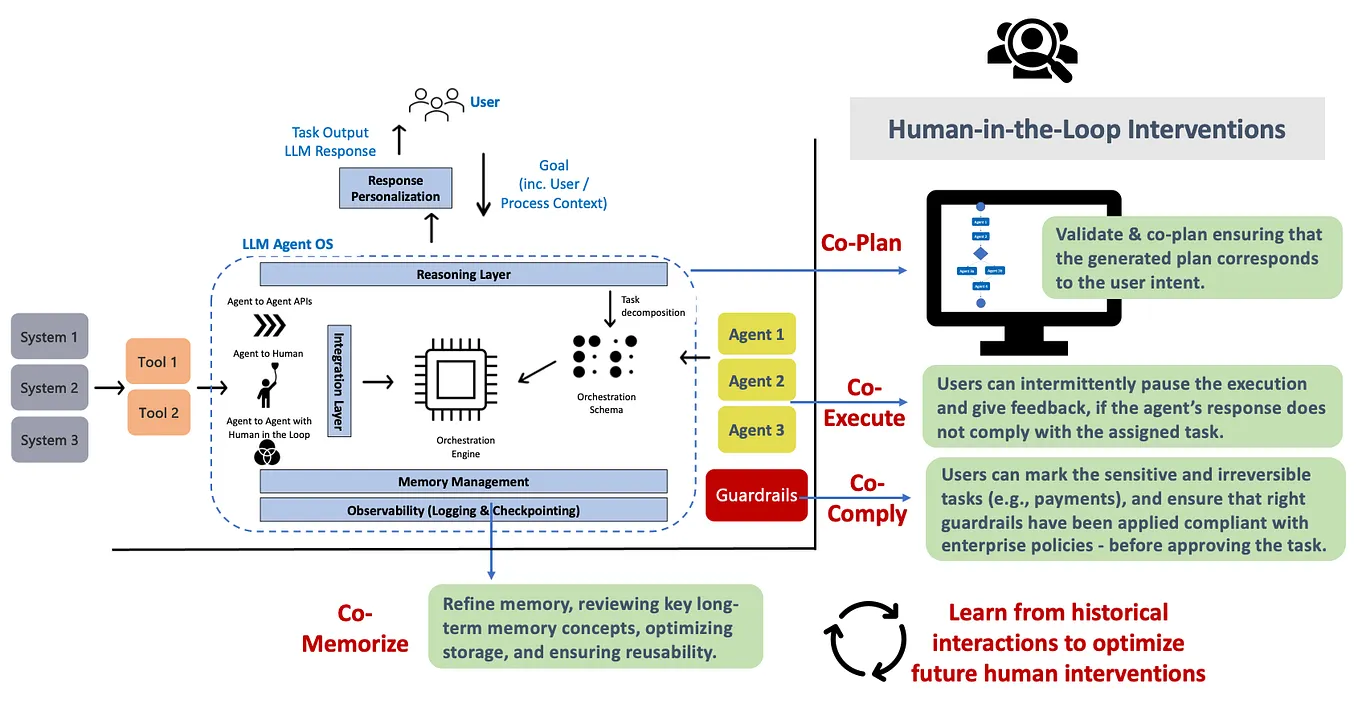
Central to the paper is the agent harness—the tools, memory, sandboxes, checks, and feedback loops that turn a model into an agent. Code sits at the center because it can be run, inspected, checked, saved, edited, and shared. Tests become sensors; repositories become memory; logs become history; sandboxes become boundaries. A generated script is no longer merely an answer; it is a handle the system can run, check, revise, share, and roll back.
Unique Take: Code as Cognitive Scaffold
The AP wire would frame this as 'AI gets better at coding,' but the paper's deeper insight is that code provides a structured, verifiable reasoning layer that pure text lacks. This echoes findings from recent work like Anthropic's 'Claude Code' and OpenAI's 'Codex'—agents that rely on code for iterative debugging and planning. The paper's contribution is to formalize this into a taxonomy: code helps agents reason through executable steps, act through tool calls or control programs, and model environments through tests, traces, logs, repositories, and simulators.
Implications for Agent Design
The survey suggests that agent architectures should prioritize code-centric harnesses over pure prompting. This could influence how companies like Meta, Google, and OpenAI design future agent frameworks—embedding code execution as a first-class capability rather than an afterthought.
[According to @rohanpaul_ai], the paper was shared on X and links to the arXiv preprint.
What to watch
Watch for follow-up implementations from Meta or Stanford that operationalize the agent harness framework into open-source code. Also, whether the paper influences the next version of OpenAI's Codex or Anthropic's Claude Code to adopt more explicit harness layers.