What Changed — A Modular MCP Architecture
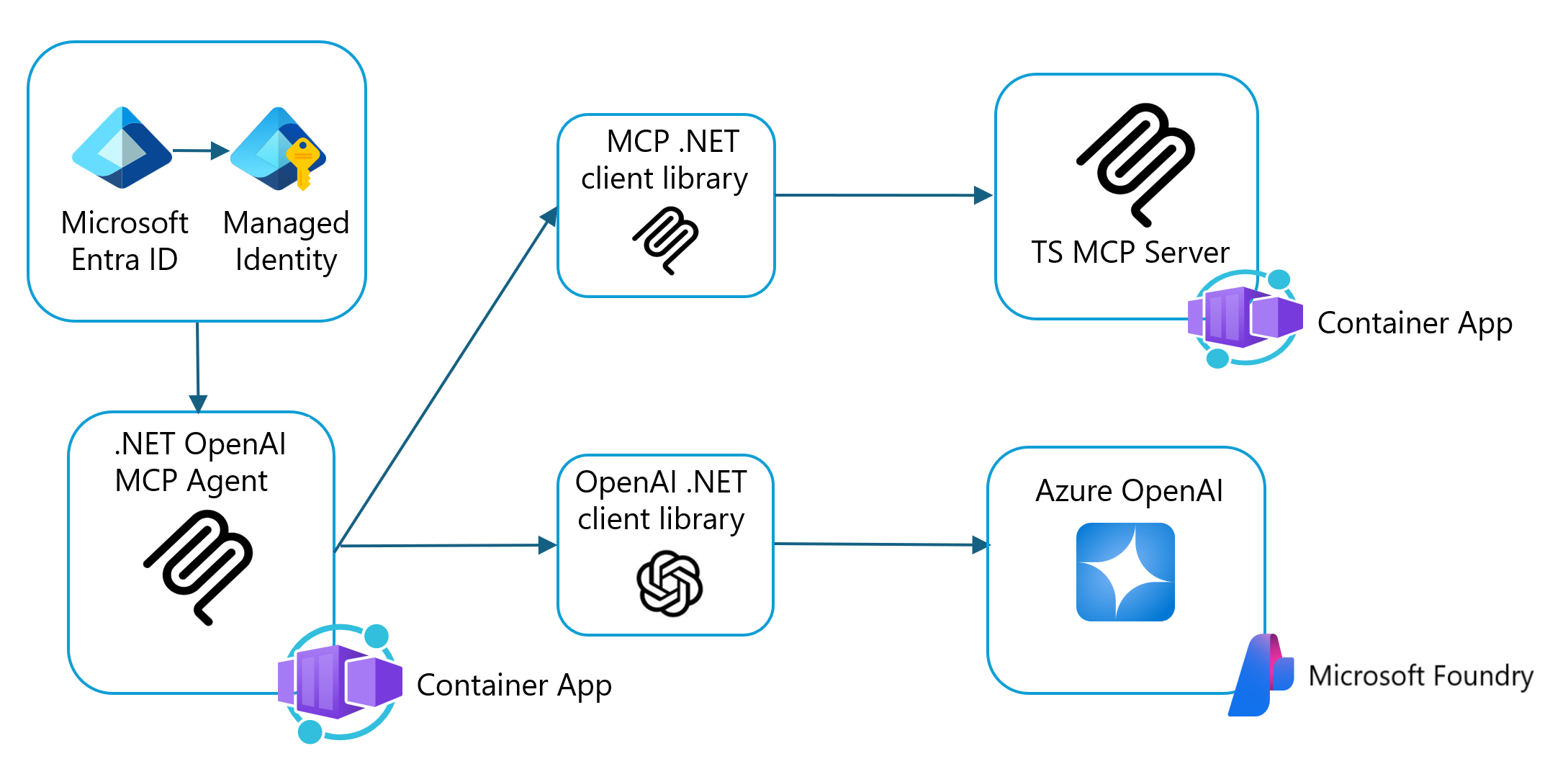
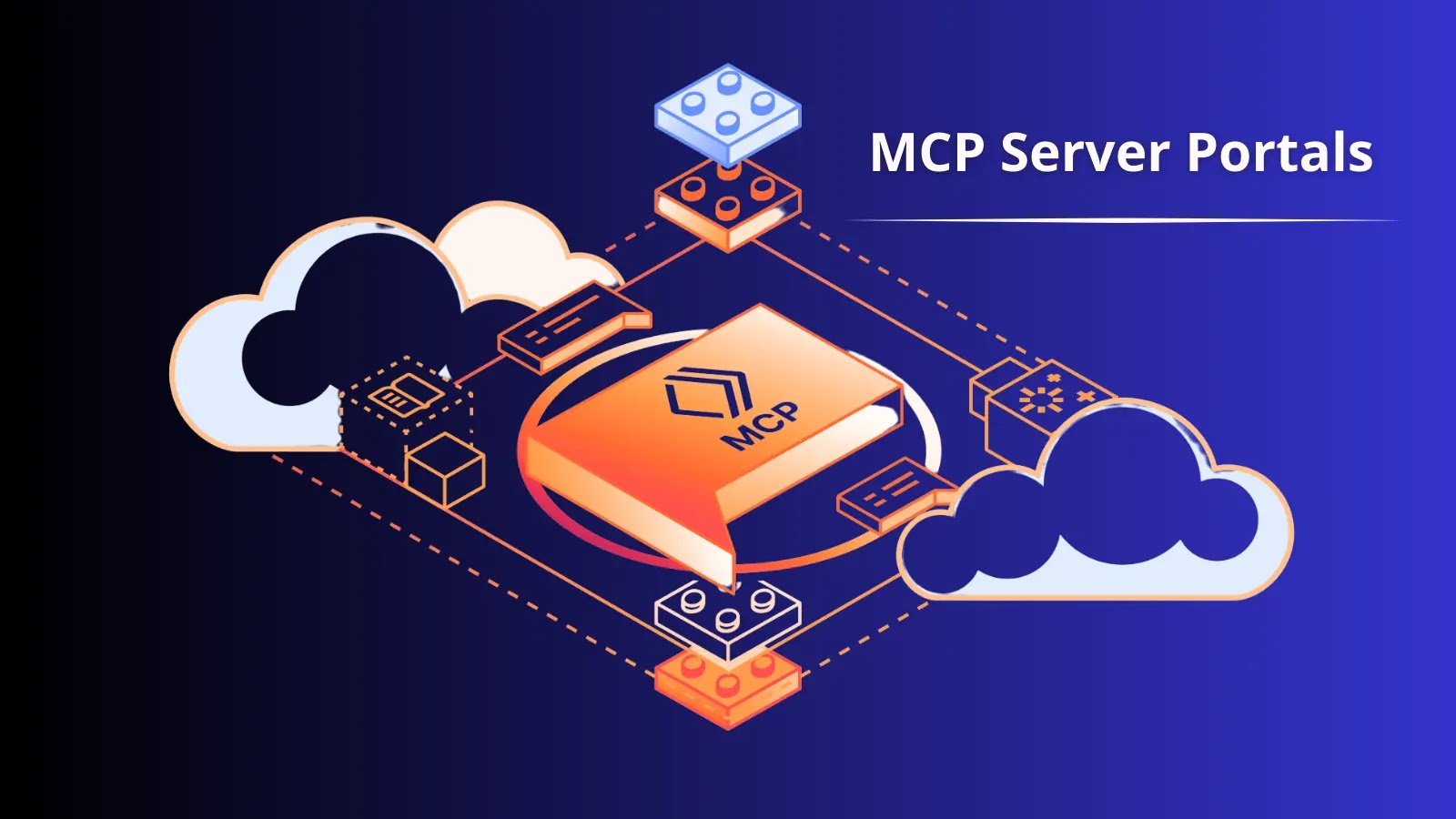
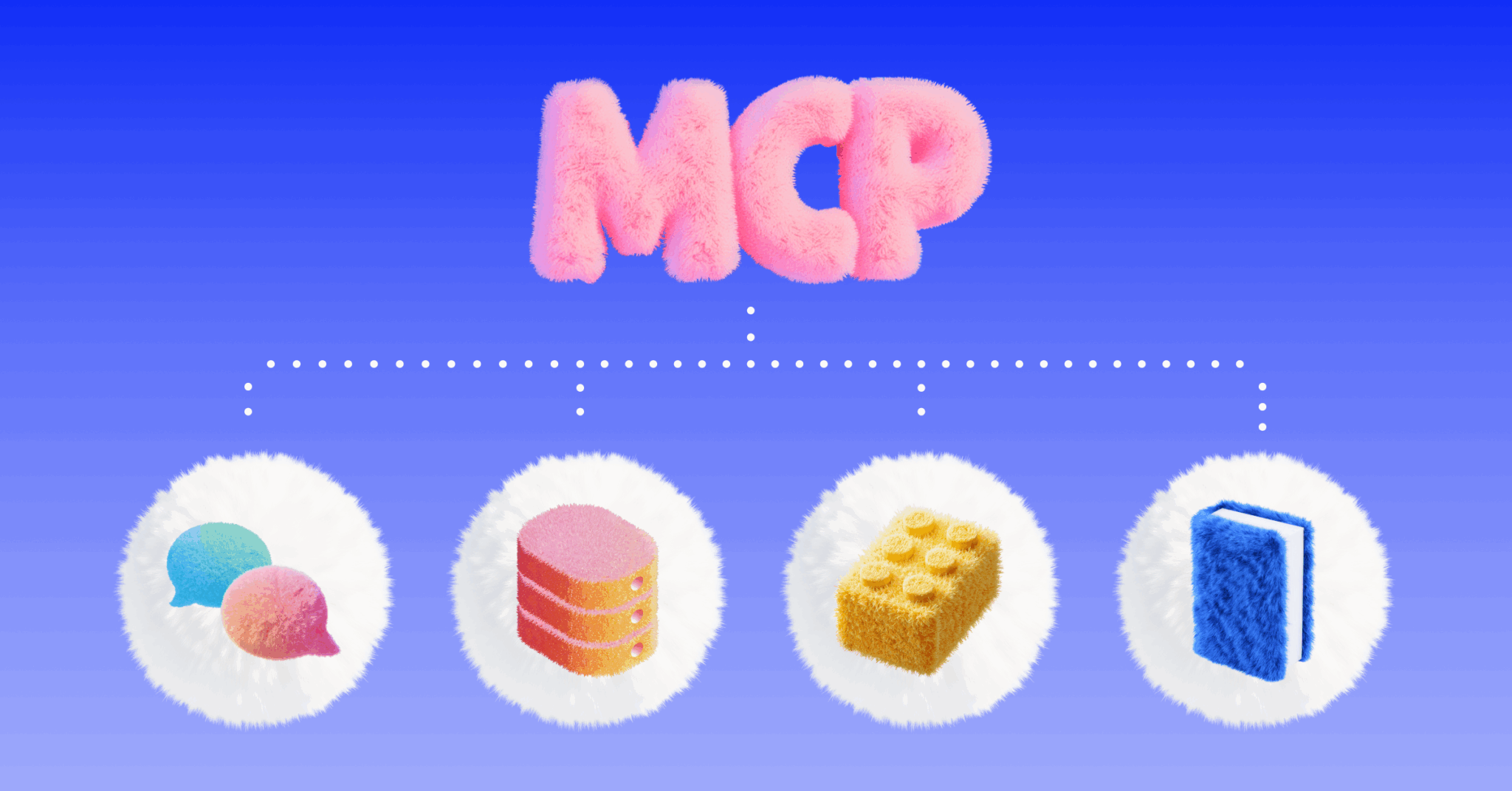
Fifth Third Bank's developer platform, Newline, has announced a significant update to its Model Context Protocol (MCP) server. The core change is the introduction of "Skills"—modular, installable capabilities that extend the server's functionality. This isn't just a feature update; it's an architectural shift. Instead of a monolithic server that does everything, Newline's MCP server now acts as a host for discrete, purpose-built tools that developers can add or remove.
This follows a broader industry trend of making AI tooling more composable. For Claude Code users, this means the MCP server you connect to can be tailored more precisely to your current project's needs.
What It Means For You — Customizable Claude Code Workspaces
For developers using Claude Code, this signals a move towards more personalized and efficient AI-assisted coding environments. The "Skills" paradigm means you're no longer stuck with a server's default, one-size-fits-all toolset. If you're working on a data pipeline, you could install a "BigQuery Skill." Switching to a UI refactor? You might enable a "Design Token Validation Skill."
The immediate impact is reduced clutter and more relevant tools at your fingertips within Claude Code. When you ask Claude to interact with your systems via MCP, it will have access to a curated set of capabilities you've explicitly chosen, which can lead to more accurate and context-aware assistance.
How To Think About It — Skills as Plugins
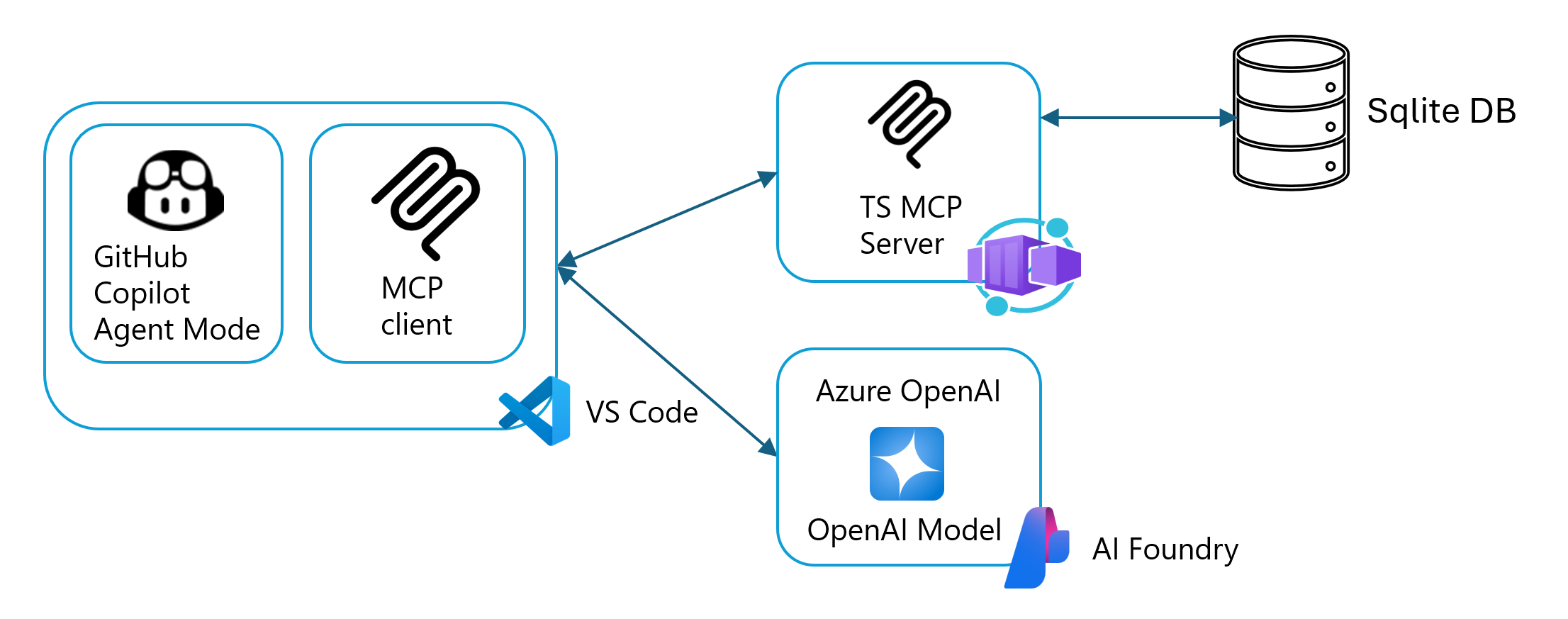
Think of "Skills" as plugins for your MCP server. While the exact CLI commands for managing Newline's Skills will be specific to their implementation, the conceptual workflow is universal:
- Discover: Find a Skill relevant to your stack (e.g., "AWS Infrastructure Skill," "PostgreSQL Schema Manager").
- Install: Add it to your MCP server configuration, likely via a package manager or a config file.
- Use: Claude Code, through the MCP protocol, automatically gains the ability to use the tools provided by that Skill.
This model is powerful because it decentralizes development. The Newline team can maintain the core server, while the community or other internal teams can build and share Skills for niche use cases.
The Bigger Trend for Claude Code Users
This update is part of a clear evolution in the MCP ecosystem. Early MCP servers were often single-purpose. Now, we're seeing platforms like Newline build extensible, multi-purpose hubs. For you, the developer, this means:
- Less Config Churn: You might maintain one primary MCP server (like Newline's) and swap Skills in/out instead of constantly editing your
claude_desktop_config.jsonto point to different servers. - Sharper Tools: Skills can be more focused and better maintained than a giant, all-encompassing server.
- Easier Onboarding: You can share a configuration file that lists the necessary Skills for a project, making it trivial for new team members to replicate your powerful Claude Code setup.
While Newline's platform is enterprise-focused, this "Skills" pattern is likely to be copied by other MCP server providers. It's a smart answer to the problem of managing an ever-growing list of AI capabilities.