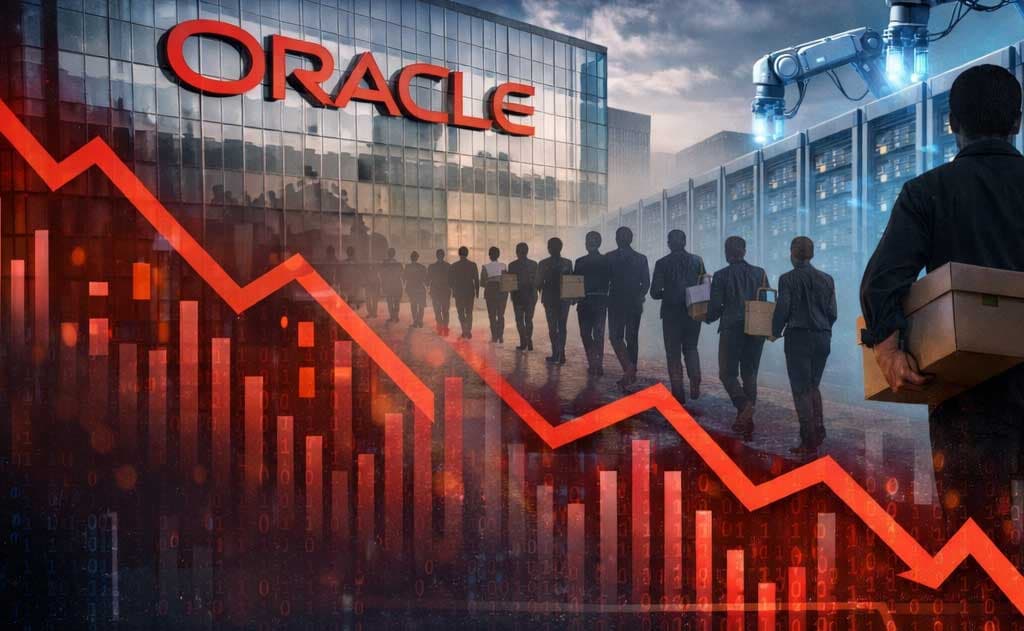
Oracle warned investors its massive AI data center spending may not generate expected returns. The admission from a major cloud provider signals growing unease about the sustainability of the AI infrastructure boom.
Key facts
- Oracle warned AI data center spending may not achieve expected ROI
- Hyperscalers plan over $200B in AI capex for 2026
- Oracle did not disclose specific dollar figures or return thresholds
- Google committed $11B/year to SpaceX compute for AI
- Google booked Intel to package 3 million TPUs
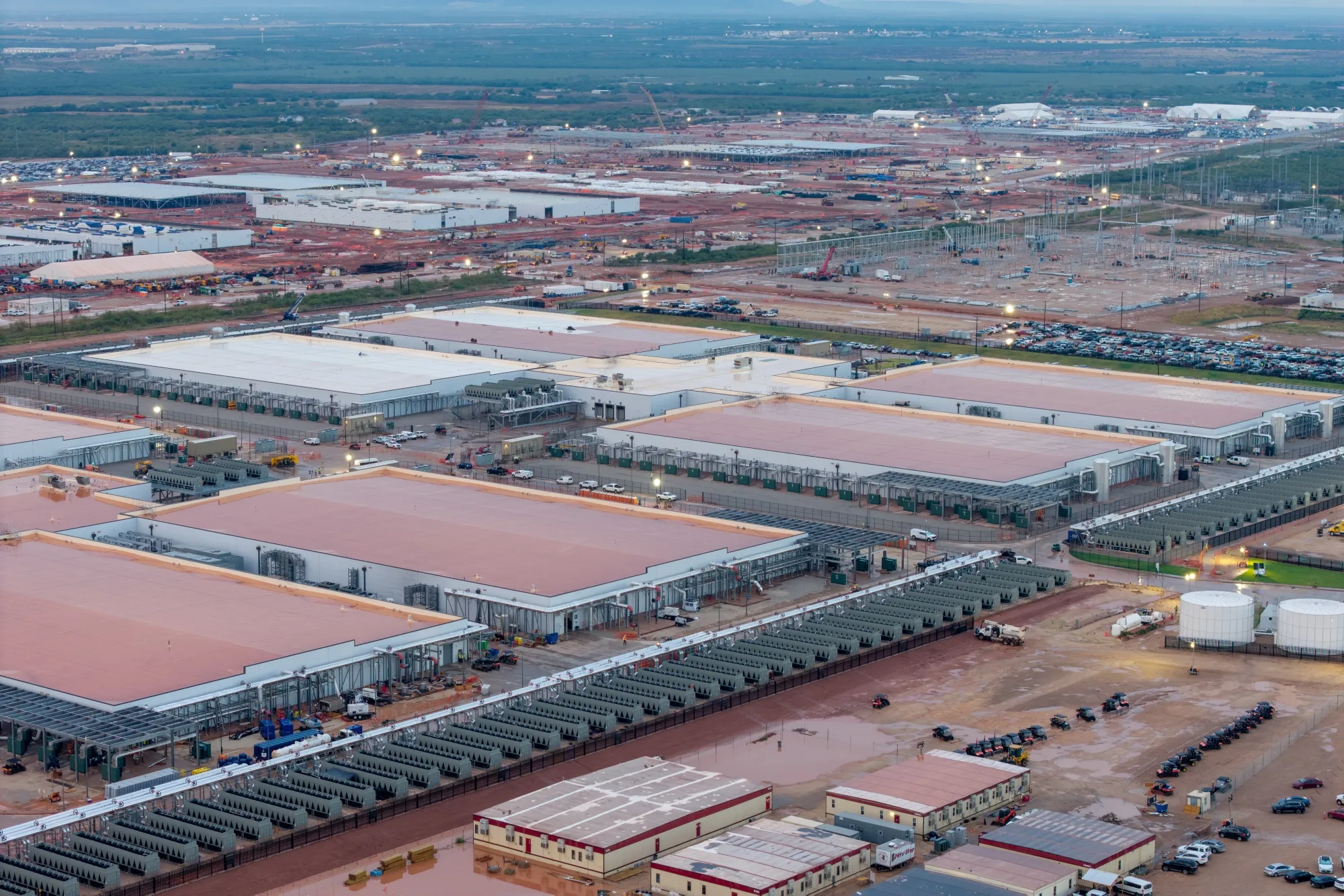
Oracle, which has aggressively repositioned around Oracle Cloud Infrastructure (OCI) since 2023, acknowledged in a regulatory filing that its splurge on AI data centers "may not achieve the expected return on investment." According to Bloomberg The warning comes as Oracle competes with Google Cloud, Microsoft Azure, and AWS for enterprise AI workloads, but lacks the scale of its larger rivals.
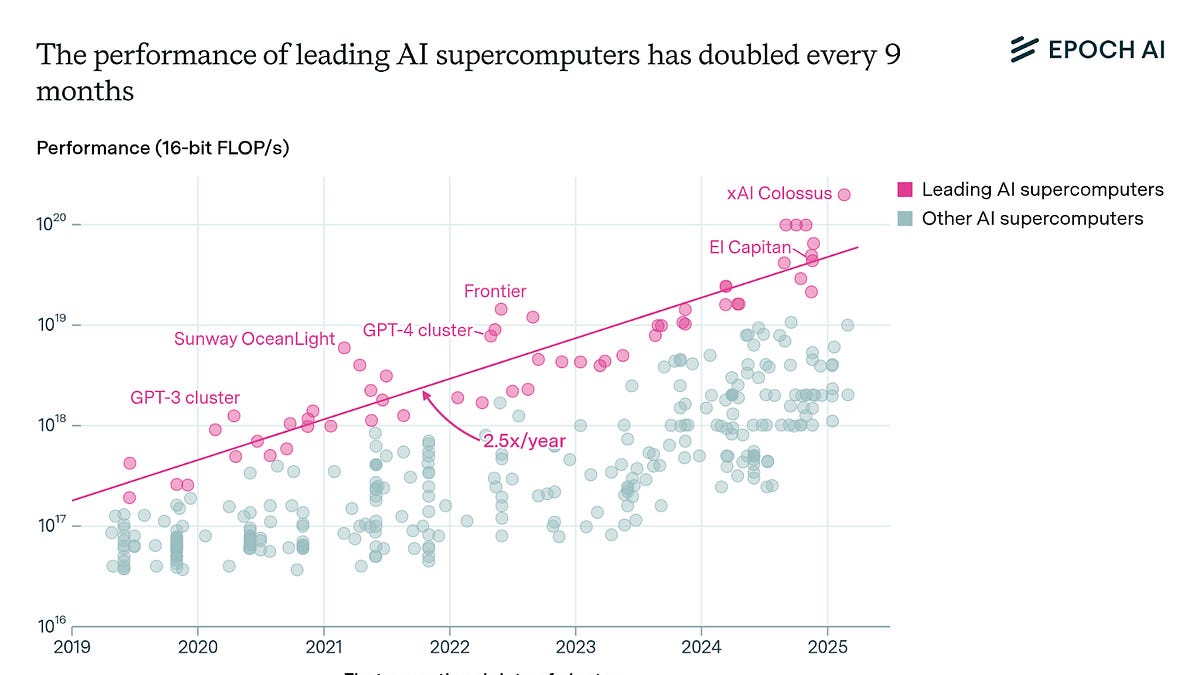
Oracle's caution contrasts sharply with the broader industry narrative. Hyperscalers including Google, Microsoft, and Amazon collectively plan over $200 billion in AI capex for 2026, per public commitments. Google alone committed $11 billion per year to SpaceX compute and booked Intel to package 3 million TPUs, as previously reported. Oracle's admission suggests at least one major player doubts the math on infinite AI infrastructure demand.
The company did not disclose specific dollar figures or return thresholds in its warning. Oracle's cloud revenue growth has lagged behind AWS and Azure despite its aggressive data center buildout. The warning may dampen enthusiasm for AI infrastructure stocks and data center REITs, which have rallied on expectations of sustained demand.
What the Warning Means
Oracle's filing is a rare instance of a hyperscaler publicly questioning its own AI infrastructure ROI. Most cloud providers continue to spend aggressively, betting that AI model demand — from Google Gemini to OpenAI's GPT series to Anthropic's Claude — will fill capacity. Oracle's skepticism introduces a counter-narrative: that the supply of AI compute may overshoot actual workload growth, especially if enterprise adoption slows or model efficiency gains reduce compute needs.
Competitive Implications
For Google Cloud, which has invested heavily in TPU infrastructure and recently launched Gemini Omni Flash and DiffusionGemma, Oracle's admission could be a competitive opening. If Oracle pulls back, Google could capture share in enterprise AI cloud services. But the warning also pressures all hyperscalers to justify their own spending — Google's $11 billion SpaceX compute deal and Intel TPU packaging commitments now face sharper scrutiny.
The broader market should watch for similar disclosures from other cloud providers in upcoming quarterly filings. If Oracle is the first domino, AI infrastructure valuations may face a correction.
What to watch
Watch for Oracle's next quarterly earnings call, expected in September 2026, for specifics on cloud revenue growth and any revision to data center buildout plans. Also monitor filings from Microsoft and Google for similar ROI caveats.
Source: news.google.com
[Updated 02 Jul via dck_news]
The Stargate AI data center project — a joint venture between Oracle, SoftBank, and OpenAI — faces rising risks around energy availability, financing, governance, and community consent, according to a new analysis [per Data Center Knowledge]. The project's success depends on scaling faster than these mounting challenges can derail it. This adds a granular layer to Oracle's broader ROI warning, suggesting that even flagship AI infrastructure initiatives may struggle with real-world execution hurdles beyond pure financial returns.
[Updated 03 Jul via gn_ai_data_center]
Chevron has signed a 20-year power purchase agreement to supply electricity to Microsoft's AI data centers, marking a major energy procurement deal that could reshape the competitive landscape for Oracle and other cloud providers [per Yahoo Finance]. The deal underscores how hyperscalers are securing long-term energy commitments to fuel AI infrastructure, potentially intensifying pressure on Oracle to match such supply agreements or risk falling behind in reliability and cost. This comes as Oracle's Stargate joint venture faces energy availability risks and as Oracle itself warned about AI data center ROI.