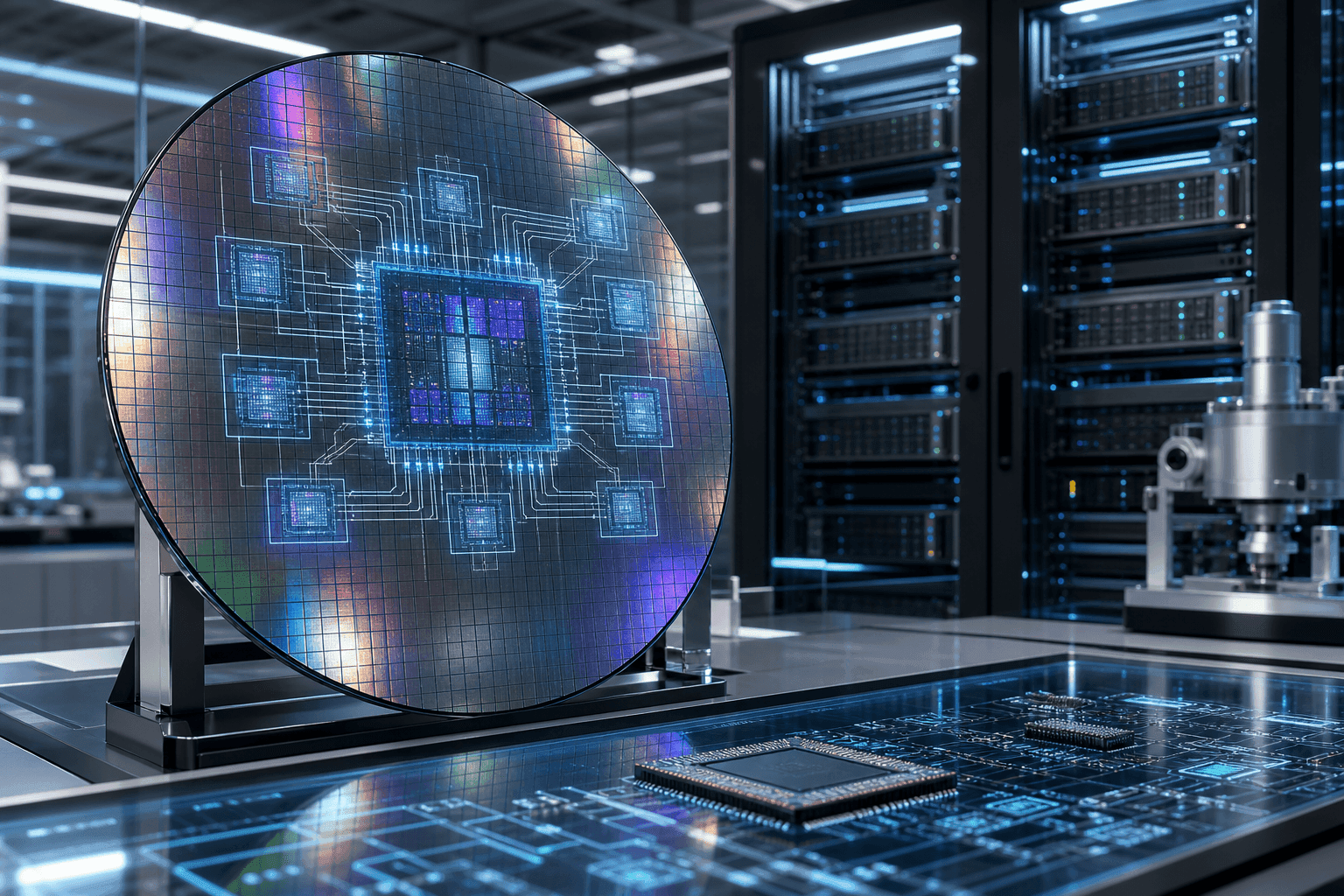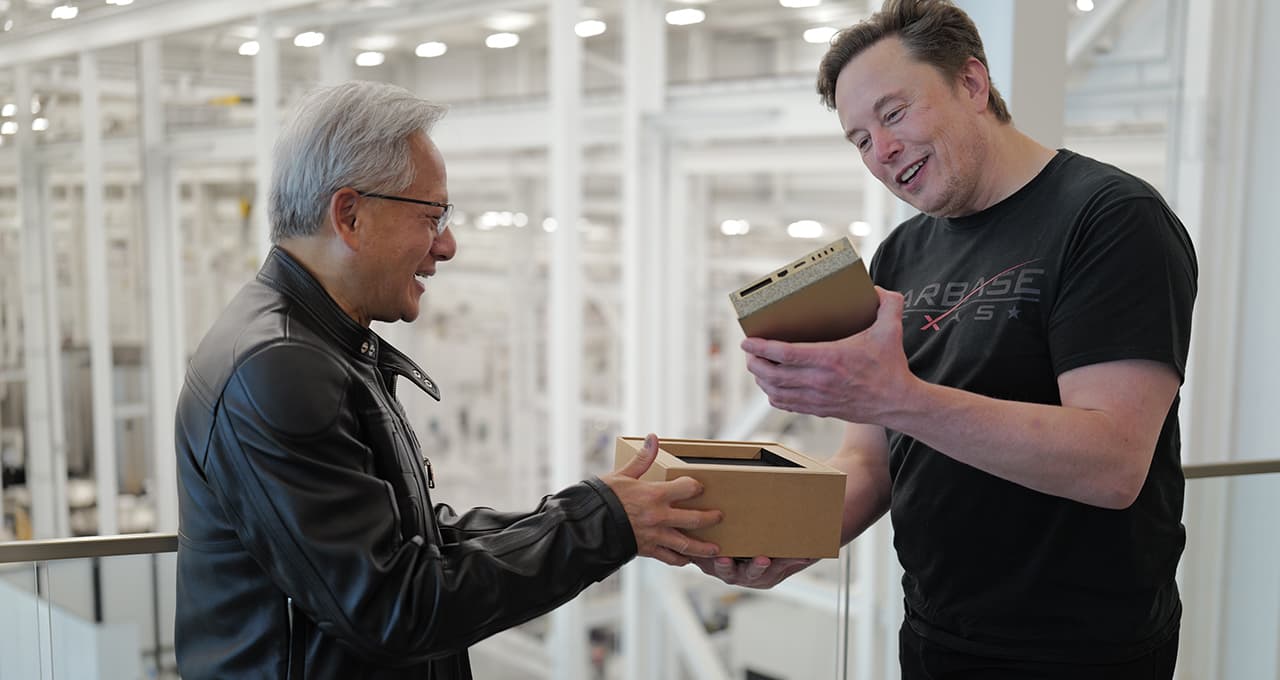
Elon Musk announced SpaceX will build exclusively with Nvidia hardware, according to Yahoo Finance. Musk also floated space-based AI servers, pushing Nvidia's silicon into orbit.
Key facts
- Musk: SpaceX to build exclusively with Nvidia
- Space-based AI servers touted by Musk
- Nvidia next-gen rack system delayed to 2028
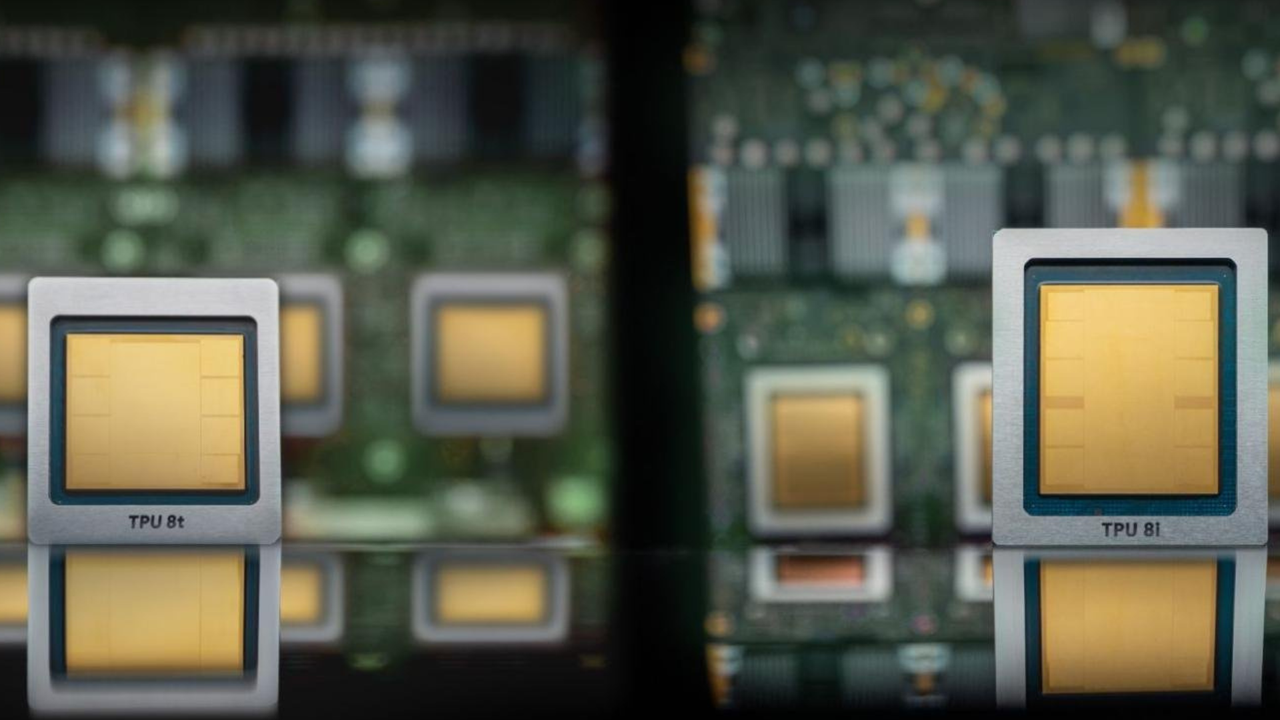
- Google booked Intel to package 3M TPUs by 2028
- Contract terms and timelines not disclosed
Elon Musk said SpaceX will build exclusively with Nvidia, extending the chipmaker's reach beyond terrestrial data centers and into aerospace. According to Yahoo Finance, Musk touted space-based AI servers, a concept that would place Nvidia GPUs in orbit to process data with lower latency than ground-based facilities.
The announcement signals a deepening of the Musk-Nvidia relationship, which already spans Tesla's in-vehicle AI compute and xAI's Colossus supercomputer cluster. Nvidia's H100 and Blackwell GPUs power xAI's Grok model training, and Musk has previously described Nvidia hardware as essential to his AI ambitions. The SpaceX commitment suggests the relationship now extends to launch vehicles and satellite infrastructure.
Key Takeaways
- Musk says SpaceX will build exclusively with Nvidia and floats space-based AI servers, extending Nvidia's reach into aerospace.
- Contract terms undisclosed.
The orbital compute angle
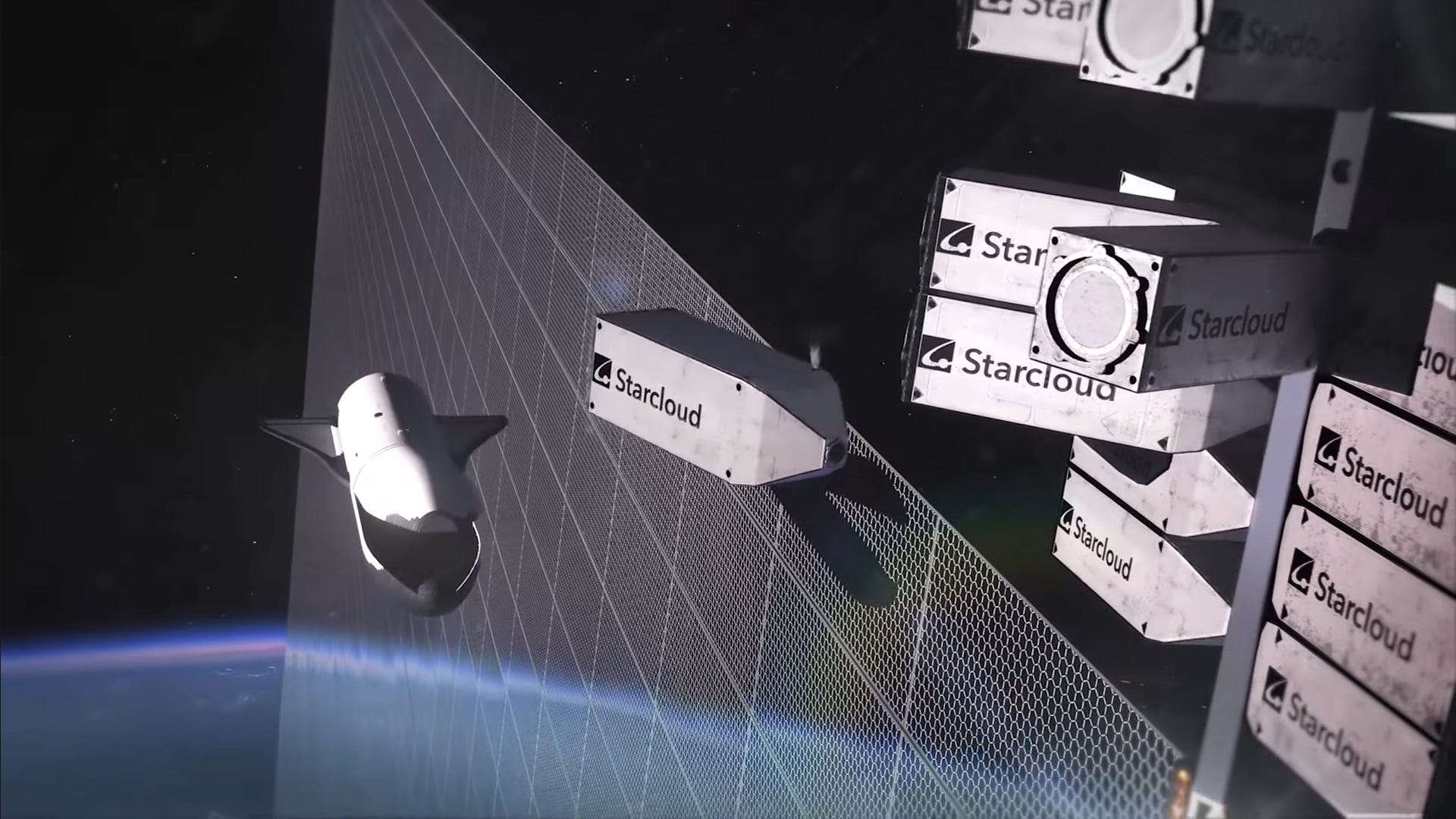
The space-based AI server concept is the more consequential claim. If realized, it would position SpaceX as an orbital infrastructure provider, competing with terrestrial cloud regions by placing compute closer to satellite constellations like Starlink. Latency-sensitive workloads — autonomous vehicle fleets, edge inference, and military applications — could benefit from compute nodes that bypass ground-based network hops.
However, the technical hurdles are substantial. Heat dissipation in vacuum, radiation hardening of GPUs, and power generation for orbital data centers remain unsolved at scale. Nvidia does not currently market radiation-tolerant variants of its data center GPUs, and no commercial operator has demonstrated sustained AI inference in low Earth orbit. [The company did not disclose the figure] — specific contract terms, GPU quantities, and deployment timelines were not included in the report.
Competitive context
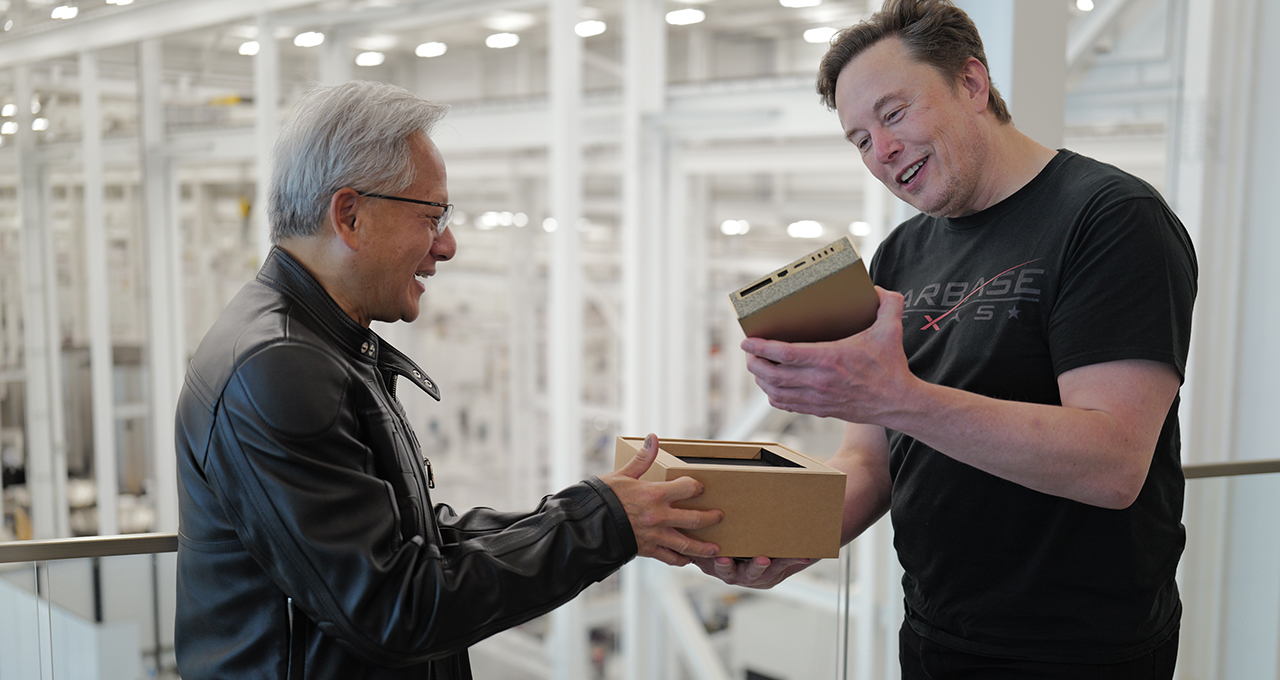
Musk's Nvidia-only stance stands in contrast to hyperscalers diversifying away from Nvidia. Google booked Intel to package 3 million TPUs by 2028, and Anthropic is building an in-house chip team for Claude co-design. SpaceX's exclusive commitment runs counter to that trend, betting instead that Nvidia's roadmap — including the delayed next-gen AI rack system now expected in 2028 — will keep pace with orbital compute demands.
The move also raises questions about xAI's infrastructure. If SpaceX builds exclusively with Nvidia, xAI's Colossus cluster and future Grok training runs will likely remain Nvidia-bound, deepening Musk's dependence on a single vendor. That dependence carries supply-chain risk, especially as Nvidia's next-gen rack system slipped to 2028 due to manufacturing snags.
What to watch
Watch for any Nvidia-SpaceX contract disclosures in upcoming earnings calls, and whether Nvidia announces radiation-tolerant GPU variants for orbital deployment. Also track xAI's Colossus expansion plans and whether Musk's exclusive commitment survives Nvidia's 2028 rack system delay.
Source: news.google.com